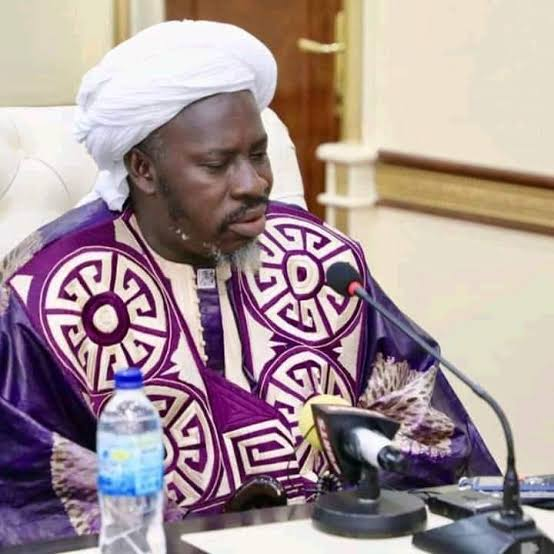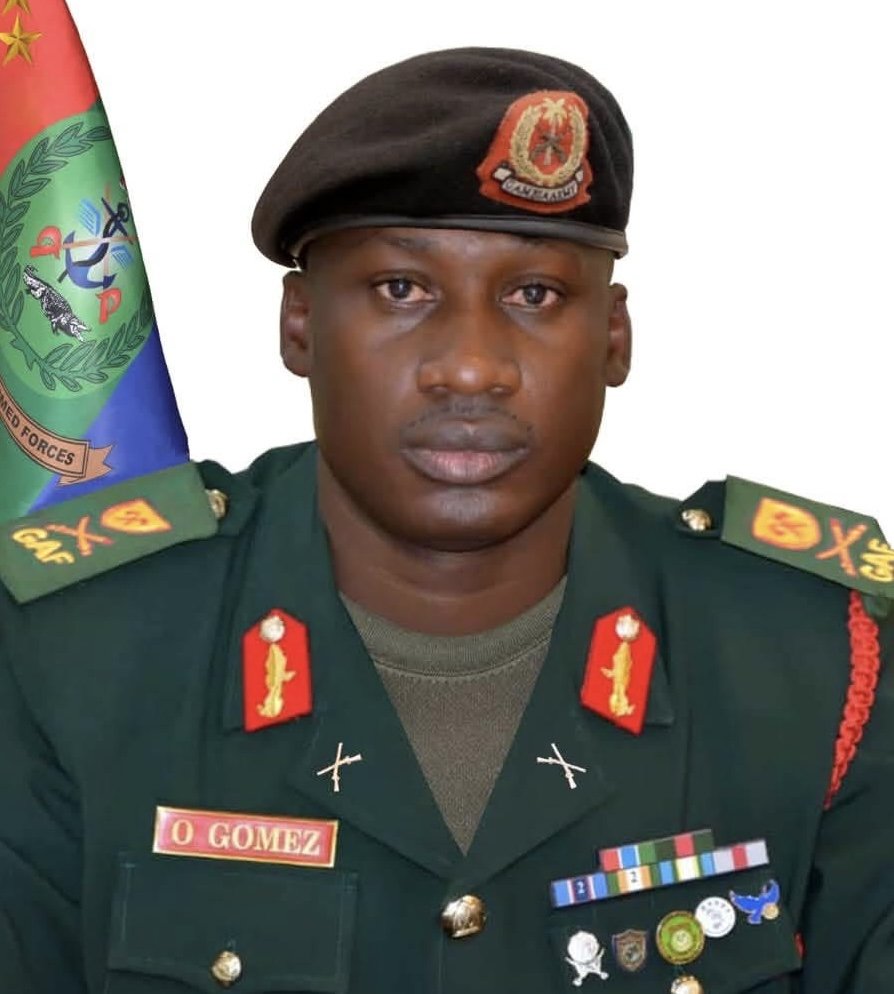

APP-Sobeya has rejected allegations that it sought the vice-presidential position during Coalition-2026 negotiations, insisting instead that its proposal for a running mate was intended to broaden the coalition and preserve unity among leading presidential contenders.
Party spokesperson Ousainou Bobb made the clarification during an appearance on AG Radio’s Monday People Power programme, where he also disputed aspects of UMC’s account of the disagreement that preceded Essa Mbye Faal’s withdrawal and Talib Ahmed Bensouda’s emergence as coalition flagbearer.
Bobb said APP-Sobeya never demanded the vice presidency as a condition for supporting another coalition candidate.
According to him, the party’s position was that Bensouda, Faal and Dr. Sidat Yaffa were each capable of leading the coalition and that bringing two prominent contenders together on a presidential ticket could reduce internal competition.
“That was just supposed to be a campaign strategy,” Bobb said of the running-mate proposal.
The idea appears to have been aimed at preventing the coalition flagbearer contest from becoming a winner-takes-all exercise.
In many coalition arrangements, integrating rival political blocs into a joint ticket can help maintain unity after candidate selection. But such arrangements can also create controversy when political positions begin to appear like bargaining chips rather than components of an agreed governing structure.
Bobb insisted that APP-Sobeya’s proposal fell into the first category.
He also rejected allegations that Faal withdrew from Coalition-2026 because he had concluded that he would not be selected as flagbearer.
According to Bobb, participating parties had already detected problems in the process before the final decision.
He maintained that Faal’s concerns centred on the credibility and integrity of the coalition framework rather than his personal prospects.
Bobb also referred to comments he attributed to Aziz Bensouda, saying there was an acknowledgment that UMC had spent several years building its political project around Talib Bensouda and would therefore find it difficult to accept another individual as coalition leader.
If that characterisation is accurate, it raises a difficult question about the negotiating positions of all the major contenders.
Did parties genuinely enter Coalition-2026 prepared to support whoever emerged from an agreed selection process, or did each major organisation participate while expecting its own candidate ultimately to prevail?
That question cannot fairly be directed only at UMC.
APP-Sobeya must also demonstrate that it was genuinely prepared to support Bensouda or Yaffa under a process it considered legitimate. Similarly, UMC must show that it would have accepted Faal or another candidate had the same rules produced a different result.
This is precisely why confidence in the selection mechanism was crucial.
Where contestants trust the rules, losing a nomination does not necessarily destroy an alliance. Where they distrust those rules, every decision becomes vulnerable to accusations of manipulation, hidden agreements or predetermined outcomes.
APP-Sobeya’s withdrawal therefore leaves two competing narratives.
One portrays Faal’s departure as a political response to the direction of the flagbearer contest. The other, advanced forcefully by Bobb, argues that the withdrawal followed months of unresolved procedural and integrity concerns.
The burden now falls on all sides to substantiate their claims.
For Gambians assessing the opposition ahead of the presidential election, the more important issue may not be whether one candidate or party “won” the argument. It is whether political organisations asking voters to entrust them with national government can establish internal rules capable of resolving disagreements without destroying their own alliances.
The controversy surrounding the Coalition-2026 flagbearer selection suggests that achieving opposition unity remains far easier to proclaim than to institutionalise.