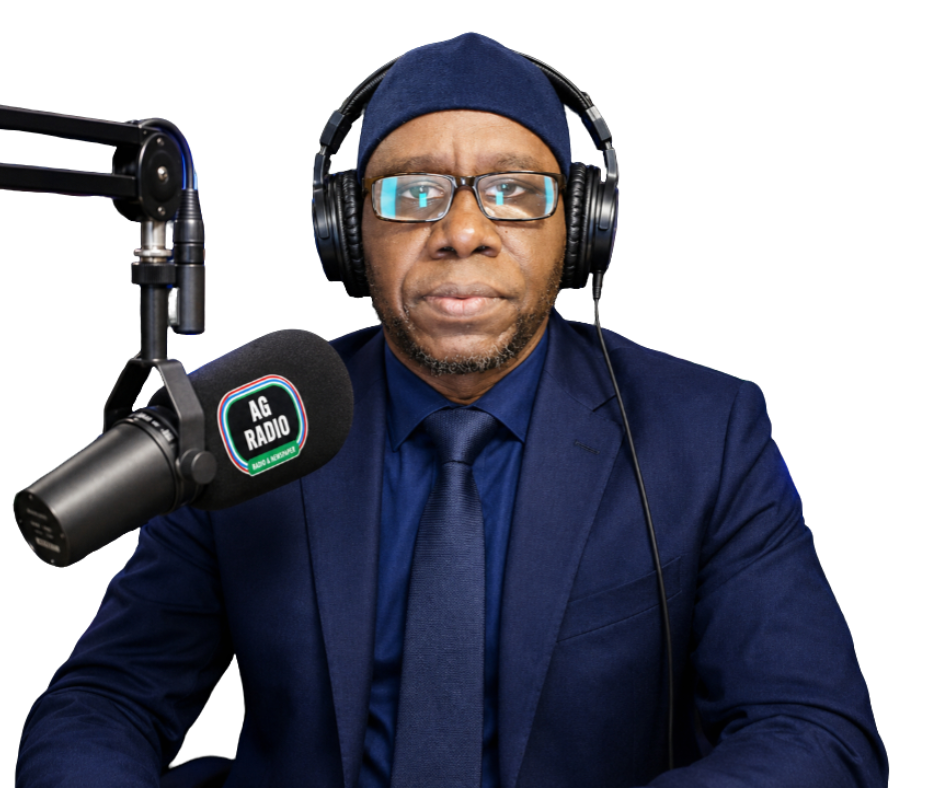
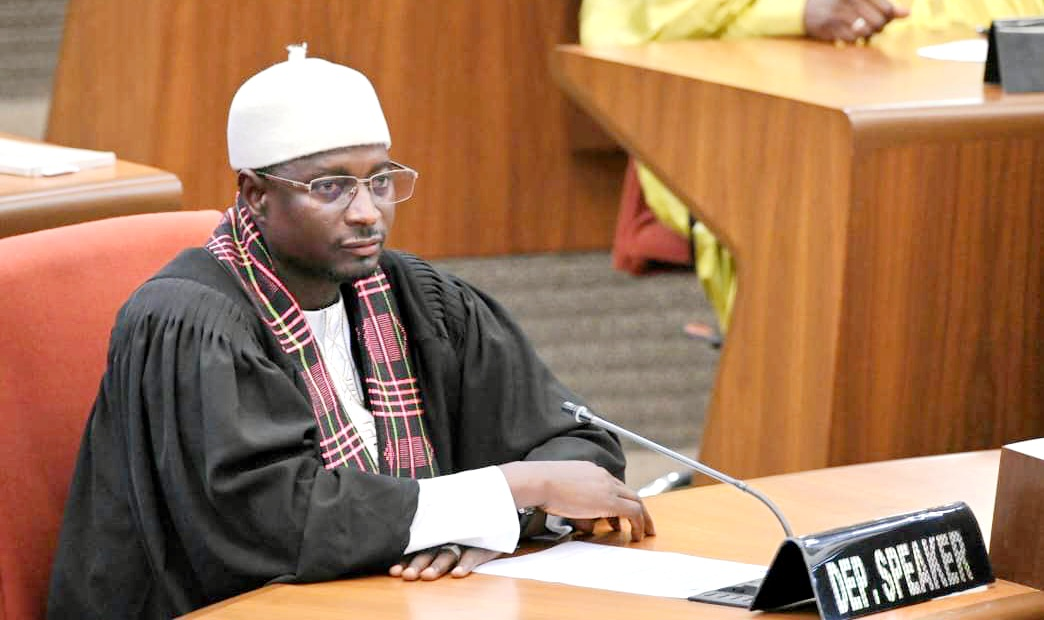
Recent accounts provided by GRTS journalist Omar P. Jallow regarding the controversial reversal of Abubakr Darboe’s appointment as Director General have sparked significant public discourse. These claims, which detail a high-level intervention that overrode a formal, merit-based recruitment process, are now being corroborated by witnesses close to the events.
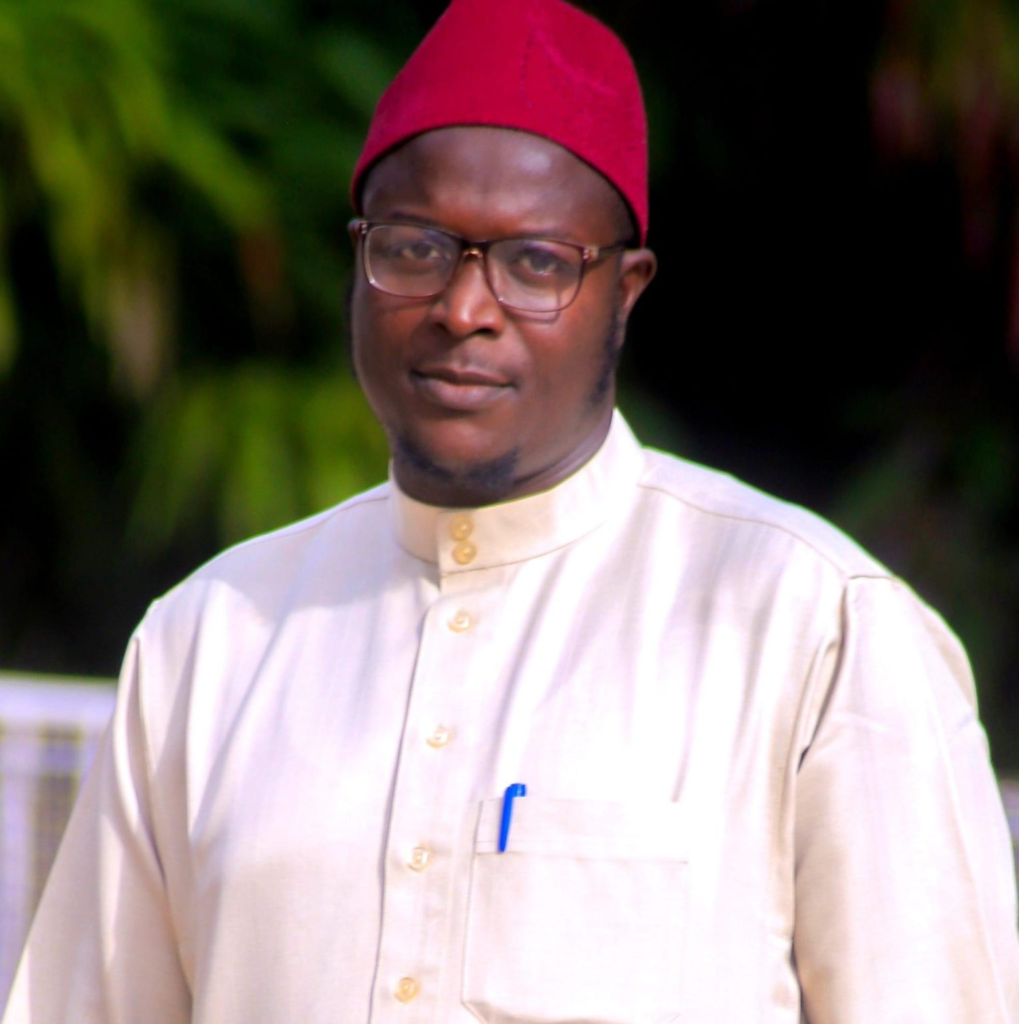
The following timeline and details confirm the accuracy of Jallow’s narration and shed light on Seedy Njie’s influence within the current administration.
Following the expiration of Malick Jeng’s contract, the GRTS Board of Directors conducted a competitive vetting process. Abubakr Darboe emerged as the top candidate and was formally recommended to the then Minister of Information, Lamin Queen Jammeh.
Darboe’s appointment followed standard protocol, including a successful security clearance by the State Intelligence Service (SIS)
The Personnel Management Office (PMO) issued the appointment letter, which was forwarded to the Permanent Secretary at the Ministry of Information and subsequently delivered to Mr Darboe.
Confident in the official process, Mr Darboe even took to social media to acknowledge his new role—a post that would soon become a precursor to a public administrative reversal.
The Intervention of Seedy Njie:
The accounts confirm that the formal process was derailed not by administrative error, but by political manoeuvring. Immediately following the news of Darboe’s appointment, reports indicate that calls were made to Seedy Njie, who allegedly pressured the President to rescind the decision.
The rationale provided for this intervention was centred on identity politics and perceived loyalty. It is alleged that Abdoulie Sey (then Head of News) was promoted as a “fit and proper” alternative due to his ethnic background and perceived status as a regime sympathiser. The President, acting on the advice of Seedy Njie, instructed the Chief of Staff to rescind the appointment. No formal explanation or professional justification was ever provided to Mr Darboe.”
The Minister’s Failed Intercession:
Minister Lamin Queen Jammeh’s reaction highlighted the gravity of this interference. Upon hearing of the reversal, the Minister reportedly rushed to the Office of the President to plead for the Board’s original decision to be maintained. When that failed, the Minister took the extraordinary step of appealing directly to Seedy Njie, recognising that the true decision-making power resided there. Both efforts were unsuccessful.
When Ministry officials asked Mr Darboe to return his appointment letter, he refused, demanding a formal letter of rescission instead. That letter arrived the following day, paving the way for the elevation of Abdoulie Sey.
The Abubakar Darboe incident is being cited as part of a broader pattern of Seedy Njie’s influence over key state appointments, often bypassing traditional hierarchies.
The corroboration of Omar P. Jallow’s statements paints a troubling picture of Gambian bureaucracy, where the recommendations of Boards and the findings of security clearances can be discarded in favour of political patronage. The case of Abubakr Darboe remains a stark reminder of the fragility of institutional independence when confronted with centralised political influence.
But least we forgot that it was also the same Seedy Njie who recommended the retirement of Lt. General Yankuba Drammeh in favour of Momat Cham, who is two years older than Drammeh. This pattern of Seedy’s purge is alive and rife in the civil service, affecting hundreds, if not thousands.
Your support means the world to us! Please follow our page to keep up with our latest posts, and don’t forget to hit that like button and share our content with your friends. Thank you for being a part of the OPEN GAMBIA PLATFORM community. By Dawda Mbaye 1 May 2026! Views expressed by contributors are strictly personal and not of TheOpenGambiaPlatform!
You can now write for the Open Gambia Platform, share information anonymously, and join the community. Please share your stories.
By Dawda Mbaye