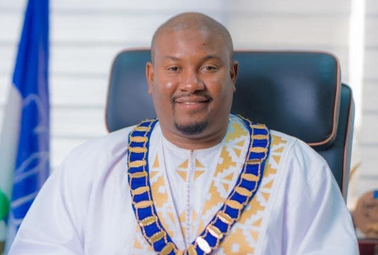
Mayor of the Kanifing Municipal Council (KMC) and leader of the United Movement for Change (UMC), Talib Ahmed Bensouda, has blamed The Gambia’s continued electricity problems on the increasing debt of the National Water and Electricity Company (NAWEC).
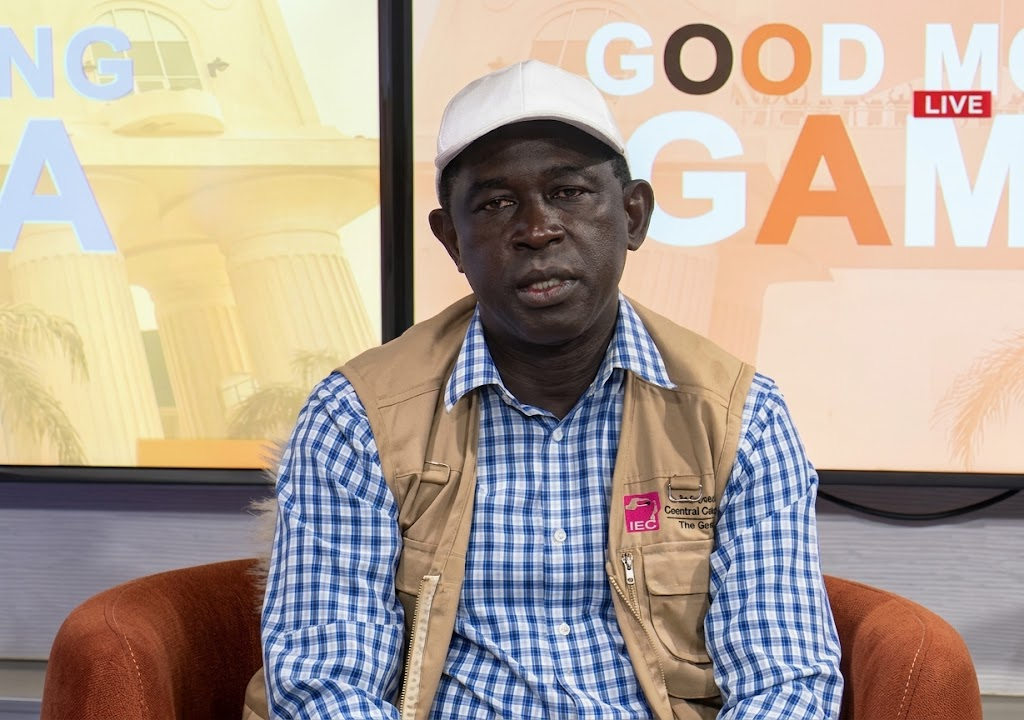
Speaking in an interview with Eye Africa TV, Bensouda argued that NAWEC’s financial situation has reached a critical stage, raising concerns about the utility’s long-term sustainability. Referring to publicly available reports from 2024, he said NAWEC disclosed debts of $20 million owed to Senegal’s national electricity provider, SENELEC, and $8 million owed to Karpowership, the Turkish company supplying electricity through floating power plants.
According to Bensouda, recent reports indicate that those liabilities may have nearly doubled.
“I believe NAWEC should come out and tell us what really happened. In 2024, reports came out, and NAWEC itself said that they owe SENELEC 20 million dollars, and they owe Karpowership 8 million dollars, which is from two years ago.”
He added that information circulating suggests the utility’s debt has now risen to approximately $40 million, equivalent to about D3 billion.
“So I believe that today that amount has increased, and based on the information we are hearing, their debts have increased to $40 million. NAWEC has a financial problem,” Bensouda stated.
The mayor’s comments challenge recent explanations from NAWEC officials, who have linked the country’s power outages to broader challenges affecting the West African energy network.
Bensouda rejected the argument that the crisis is primarily regional or technical, pointing to Senegal’s relatively stable electricity supply despite serving as a key supplier to The Gambia.
“If you say that the issue is a regional issue, I think the issue should start there; then Senegal should not be having electricity by now, but somebody that is supplying you with electricity is having light, and you are not having it; then the issue is not a technical problem and is something else,” he said.
Criticizing NAWEC’s performance, Bensouda noted that the utility has operated for decades as the country’s sole electricity provider without facing market competition.
“NAWEC has been around for a long time. By now, it should not be facing these kinds of power issues. It has no competition and is able to set its own prices,” he said.
Looking ahead, Bensouda warned that consumers could ultimately bear the cost of the utility’s financial difficulties through higher electricity tariffs. He cited the government’s recent fuel subsidy expenditure as evidence of an unsustainable approach.
“The way things are going, the price of Cashpower will be increased,” he warned. “The government has already said it spent D500 million to subsidize fuel costs.”