
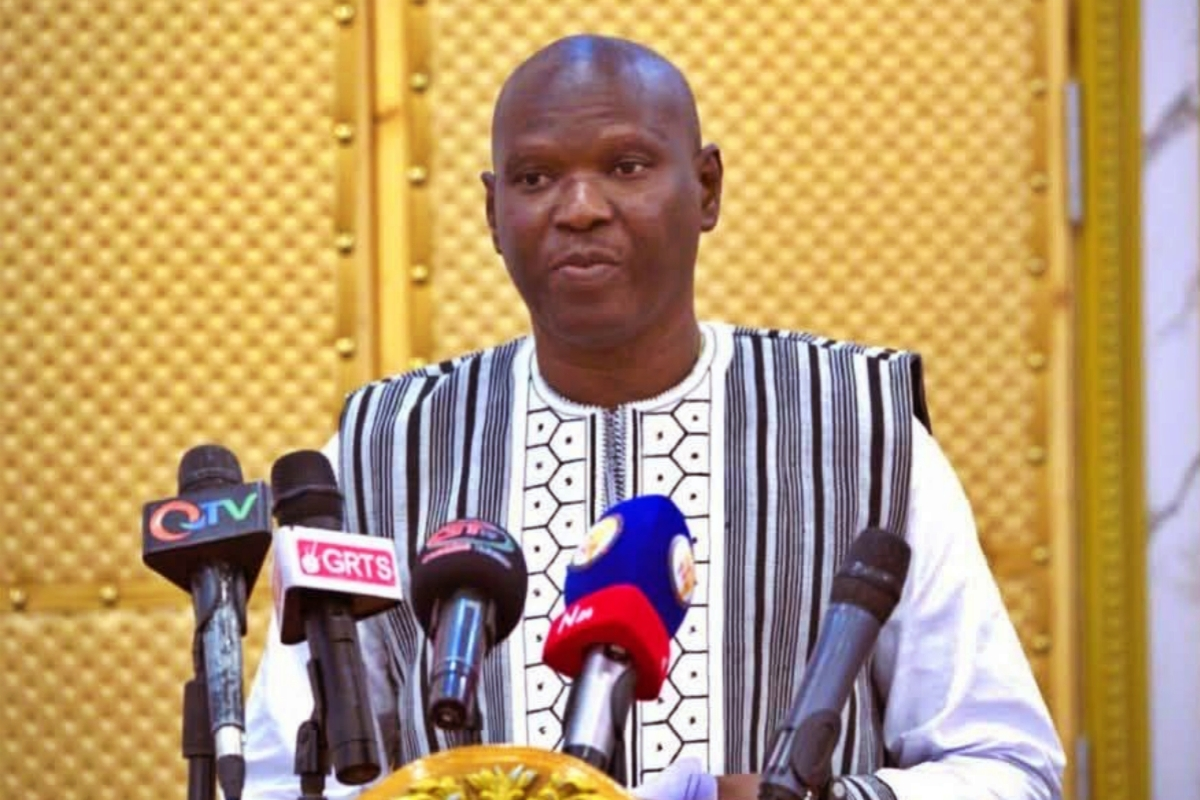
During the 2026 supplemental voter registration drive from April 4 to May 21, the Independent Electoral Commission (IEC) recorded 24,058 possible double registrations. The figures were disclosed by IEC Chairman Joseph Colley at a stakeholders’ meeting, where he said thousands of persons who appeared to have registered twice were caught through biometric verification procedures.
The Gambia’s rules stipulate that to register to vote twice or more than once is illegal. “The Commission will take the necessary actions,” Colley said. Such penalties can include legal action or being barred from running for office, he explained. But he pointed out that before any action is taken, an adjudication mechanism is currently in place to validate the suspected cases and check whether duplicate registrations had taken place. Most applicants say they have not, Colley says, when asked if they had registered before. “We let them know what happens if they register twice,” he said.
Colley said that more than 2,800 instances of double registration were found during the first two weeks of the exercise, raising concerns about the scope of the problem. The final number of more than 24,000 suspected cases over a six-week period, he said, was concerning.
“Something is wrong somewhere. It is not our fault—we carried out massive public education and informed people of the rules. Maybe people now want to test the waters; I don’t know,” he stated.
The IEC Chairman also mentioned a similar incident that occurred in 2011 when political parties asked the Commission to give amnesty to people who had registered more than once, saying that most of them were the main supporters of their respective parties. He compared the situation to the current state of things, noting that the suspected 24,058 cases are almost equal to the population of the capital city of the country. Colley further said that after the provisional register is released and the processes of the revising courts are complete, the final voter register will be revised.