In The Gambia today, public confidence in the justice system is slowly eroding—not because people oppose the rule of law, but because they see the law applied unevenly. Many Gambians are left wondering why certain individuals appear to enjoy total freedom to insult, provoke, and destabilize social cohesion without facing consequences, while others—mostly members of the opposition—are swiftly summoned, interrogated, or detained for far less.
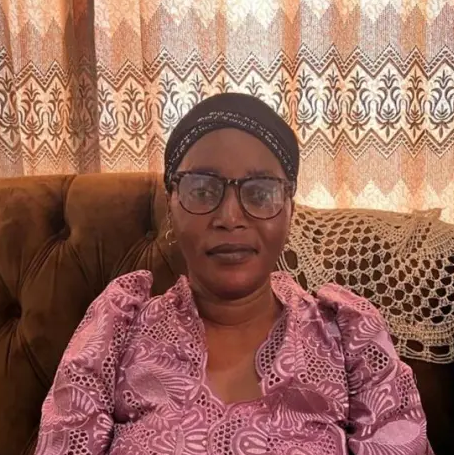
One name constantly at the center of this controversy is Mama Jabbie. For months, she has repeatedly surfaced online with inflammatory remarks that many Gambians consider insulting, divisive, and damaging to national unity. Yet despite numerous complaints from citizens, activists, and civil society groups, there has been zero visible action from the Inspector General of Police (IGP) to address her behaviour.
A Double Standard in Law Enforcement
When opposition members speak, protest, or even express political dissatisfaction, the response from law enforcement is quick and decisive. They are called for questioning, detained for “investigations,” or publicly warned by authorities. The contrast could not be more striking.
So the pressing question is:
Is Mama Jabbie more Gambian than the citizens who are being summoned and detained?
If the law applies to every Gambian equally, why is one person seemingly shielded from accountability while others face harsh consequences?
The Role of the IGP and the Barrow Administration
The Gambian police force has an obligation to protect public order, uphold the law, and ensure justice is applied without political influence. But the consistent inaction in the case of Mama Jabbie raises critical questions:
Why has the IGP failed to intervene despite repeated public complaints?
Why is the Barrow administration unwilling—or unable—to put an end to this escalating tension?
Does political loyalty now determine who can break social norms without consequence?
These questions reflect a growing perception that the IGP is acting selectively, prioritizing political convenience over fairness. When ordinary Gambians and opposition figures are treated harshly, but government-aligned individuals are ignored, the system loses legitimacy.
A Dangerous Precedent
Allowing anyone—regardless of political alignment—to insult citizens, provoke ethnic tension, or undermine public peace without consequences sets a dangerous precedent. It creates the impression that:
some have immunity,
others are targets, and
the justice system serves political interests, not national interests.
This selective enforcement deepens mistrust and widens divisions at a time when the country needs unity, stability, and responsible leadership.
Gambia Deserves Better
No one is above the law. Not politicians. Not activists. Not their loyalists. And certainly not individuals who use public platforms to insult and degrade fellow citizens.
For The Gambia to move forward, the IGP must demonstrate independence, fairness, and commitment to justice for all—not just some. President Adama Barrow must also ensure that national institutions do not become tools for political protection or punishment.
Selective justice is a slow poison. If left unchecked, it destroys democracy from within.
Gambians deserve a system that protects everyone equally. Anything less is unacceptable.
By kebba Cledor Jammeh
Concern Gambia Tv.