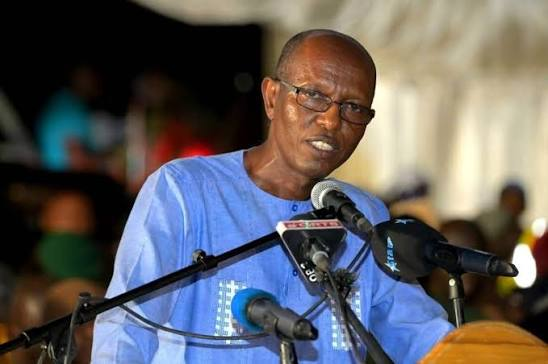
National Water and Electricity Company (NAWEC) Managing Director Gallo Saidy says that cutting down electricity connections may one day open space for lower tariffs. Gallo Saidy also reaffirms the government’s goal of bringing a power supply by the end of October.
Gallo Saidy points out that illegal connections are still common. They cause revenue losses for the state‑owned utility. The money lost ends up being paid by customers who buy electricity.
If Gallo Saidy can close those gaps then tariffs can fall. Gallo Saidy argues that illegal connections help a few people while the rest of the population bears the cost.
Gallo Saidy also says that investing in energy is a key part of NAWEC’s long‑term plan. The plan is to boost electricity generation and cut dependence on imported power.
Gallo Saidy says a 50‑megawatt solar power project that includes battery storage has already passed tendering and evaluation. It is now at a stage of implementation.
When Gallo Saidy says the project finishes it will add a boost to the national electricity supply.
NAWEC is also looking to secure another 100 megawatts of generation. This is part of NAWEC’s plan to grow the country’s energy base.
Looking ahead Gallo Saidy says NAWEC hopes The Gambia could export electricity than it imports in three to four years.
Gallo Saidy says that in the three to four years The Gambia will be a net exporter of energy. He adds that investor interest in The Gambia’s energy sector is strong.
Gallo Saidy says part of the interest comes from The Gambia’s size and its rising need for electricity.
Gallo Saidy also says that Nigerian businessman Aliko Dangote is serious about investing in a proposed 250‑megawatt energy project in The Gambia. Gallo Saidy says this potential investment is encouraging for the country’s power sector.
These announcements come when NAWEC is under public scrutiny. Persistent electricity shortages have upset households and businesses. Sparked protests in parts of The Gambia.
When asked if President Adama Barrow’s end‑of‑October deadline for stabilising electricity supply is still possible Gallo Saidy says NAWEC stands by the target.
Gallo Saidy stresses that the goal is not just to raise the amount of electricity. The goal is to give a supply that’s enough and reliable.
Gallo Saidy says the country has power under normal circumstances. Still technical failures can cause disruptions.
To make the system less fragile NAWEC is working to diversify the sources of imported electricity.
Gallo Saidy says The Gambia now gets power from arrangements with Senegal and Guinea. Discussions are also happening to get a supply from Abidjan.
Gallo Saidy says the Abidjan arrangement could finish in four to six weeks. That could give The Gambia three electricity sources.
The strategy Gallo Saidy explains, lets NAWEC switch to suppliers when technical problems or other disruptions hit one source. This cuts the risk of outages.
Because the public is still frustrated by the electricity crisis Gallo Saidy asks Gambians to be patient. He urges citizens not to turn to violence.
Gallo Saidy also calls on consumers to talk with NAWEC instead of people who say they supply NAWEC services.
Gallo Saidy says, “Let the Gambians support staff and work with NAWEC.” Gallo Saidy says, “Talk to NAWEC for its services not to people who claim to give NAWEC services.”
Gallo Saidy’s assurances bring focus to NAWEC’s ability to meet the October deadline. NAWEC talks about generation capacity, renewable energy investment and diversified power imports, as solutions.. Consumers who face repeated outages will judge NAWEC mainly by one thing: do the lights stay on?