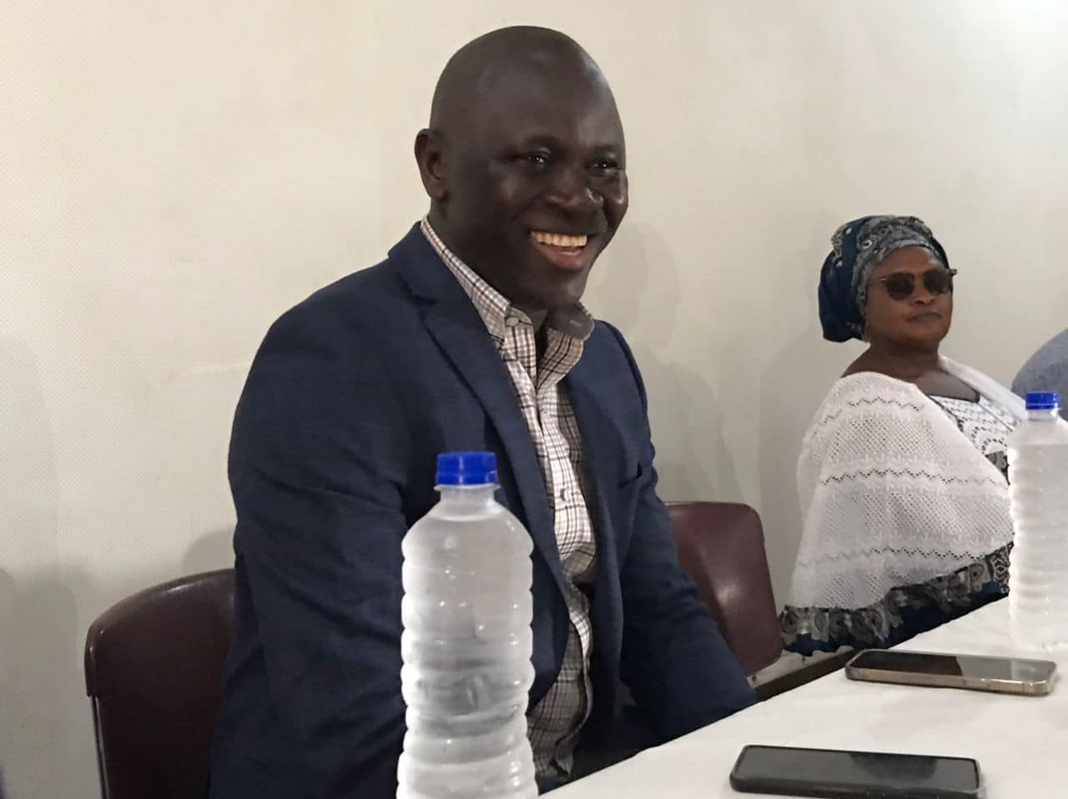
Ahmad Gitteh, a member of the ruling National People’s Party (NPP) and adviser to the Minister of Digital Economy, believes The Gambia is not yet ready for the withdrawal of ECOWAS troops, pointing to the continued presence of officers loyal to former President Yahya Jammeh within the security services.
In an interview with West Coast Radio, Mr. Gitteh said some of these officers still occupy positions of authority and have access to weapons. He warned that pulling out the regional force before the necessary security reforms are completed could expose the country to unnecessary risks.
“We have Jammeh loyalists, of course. In command positions,” he said.
For Mr. Gitteh, the question of when ECOMIG should leave cannot be separated from the progress of security sector reforms. He also believes the government must make meaningful progress in implementing the recommendations of the Truth, Reconciliation and Reparations Commission (TRRC), which investigated abuses committed during Jammeh’s 22 years in power.
He said the presence of people linked to the former regime in sensitive positions within the security establishment remained a matter of concern, particularly as the country continues its efforts to strengthen democratic institutions.
Mr. Gitteh was careful, however, not to paint the entire security sector with the same brush. He acknowledged that most officers remain committed to the country and their professional responsibilities.
“The majority of them are loyal to the country,” he said.
He also pushed back against the suggestion that ECOMIG is essentially a Senegalese military force. According to him, the mission brings together troops from Senegal, Nigeria and Ghana, although Senegal has a particularly significant presence.
He linked Senegal’s contribution to its proximity to The Gambia and the close historical and diplomatic relationship between the two countries.
Mr. Gitteh also recognised that countries contributing troops to international peacekeeping missions receive economic benefits, including foreign currency earnings for their deployed personnel. But he insisted that financial considerations should not be the deciding factor in discussions about ECOMIG’s future.
The bigger issue, he suggested, is whether The Gambia has built security institutions capable of protecting the country without relying on foreign troops.
He maintained that the government should assess the readiness of the security forces, alongside the implementation of the TRRC recommendations, before making any decision on the mission’s withdrawal.
There is no agreement in the Gambia for ECOMIG to stay. Those who want the mission to end cite national sovereignty and the length of time foreign troops have been in the country. Others believe their presence is still necessary to prevent instability while the country works through the security challenges inherited from the Jammeh era.
Mr. Gitteh’s intervention brings that debate back to a central question: how prepared is The Gambia to take full control of its security without regional military support?