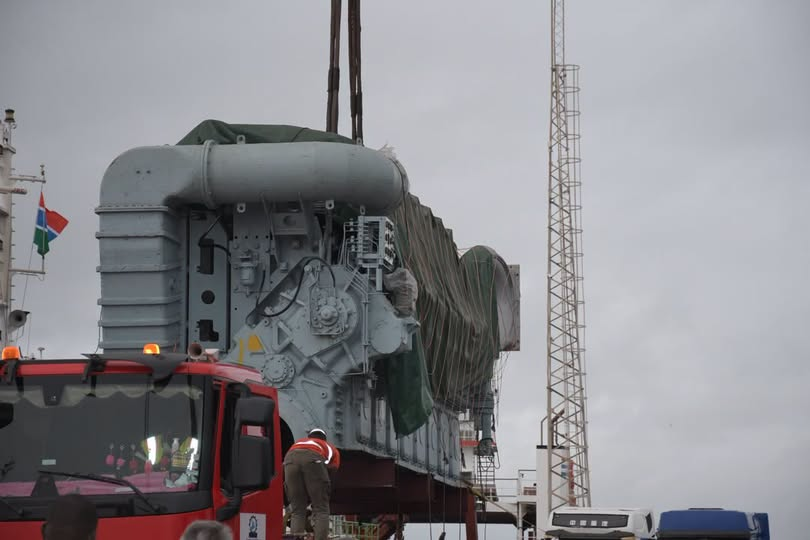
The Gambia has received two new electricity generators with a combined capacity of 21 megawatts, as the government steps up efforts to ease persistent power shortages that have disrupted daily life and triggered public protests in recent months.
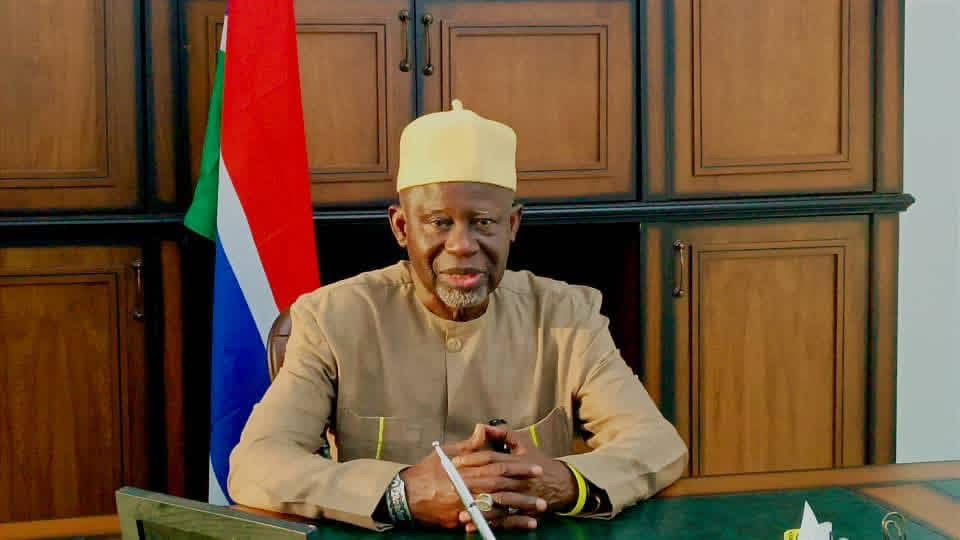
Vice President Muhammad B.S. Jallow received the equipment at the Port of Banjul on Monday on behalf of President Adama Barrow, who is currently conducting his annual Meet the People Tour. He was accompanied by cabinet ministers, senior officials of the National Water and Electricity Company (NAWEC), and members of the National Energy Task Force.
The arrival comes as the government faces mounting pressure to restore a reliable electricity supply. Barrow recently pledged that the crisis would be resolved by the end of October, with officials identifying additional generating capacity as an important part of the plan.
Speaking at the port, Jallow said the new equipment formed part of the government’s immediate response to the electricity challenges. He maintained that power supply had begun to stabilise but said further investment was necessary to increase generation capacity and reduce the likelihood of renewed shortages.
The vice president described the generators as a short-term measure, adding that the government was also pursuing medium- and long-term interventions intended to provide a more sustainable solution to the country’s energy problems.
Jallow also reiterated Barrow’s commitment to achieving universal electricity access by the end of 2026, extending power supply to every community, village and hamlet. He said development partners, including China, had pledged support towards that objective.
NAWEC Managing Director Gallo Saidy said the arrival of the generators marked progress towards the government’s stated commitments. He explained that the units would be installed and commissioned at the appropriate facility to provide additional electricity when the national grid faces generation shortfalls.
According to Saidy, each of the two generators has a capacity of approximately 10.5 megawatts. A third unit of the same capacity is expected to arrive later, potentially adding another 10.5 megawatts to the country’s generating capacity.
He said the equipment was procured through a project initiated by the president and was separate from the energy assistance pledged by the Chinese government.
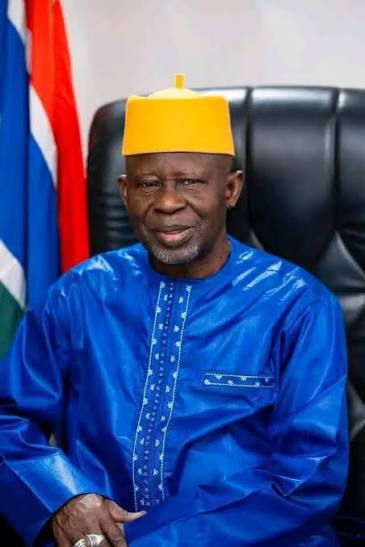
Finance Minister Seedy Keita said the government was taking a coordinated approach to tackling the crisis and strengthening national energy security. He described the arrival of the first consignment as evidence of progress, particularly amid questions over whether the administration could meet its October deadline.
Keita said the government had taken public concerns about electricity shortages seriously and thanked development partners for their support. He also explained that the generators were procured under an independent power agreement, through which a private company supplies electricity to the national system at a negotiated price, with the government acting as the purchaser.
Information Minister Dr. Ismaila Ceesay said the equipment arrived in six components and would be transported to NAWEC’s Brikama facility. He added that platforms had already been prepared to accommodate the generators and allow their integration into the national grid.
Ceesay also defended the government’s broader energy-sector record, saying the administration inherited significant challenges when it took office in 2017. These included years of underinvestment, ageing infrastructure, high system losses and limited electricity access.
He said the government had since prioritised grid improvements, expanded access and additional generation capacity, while also pursuing renewable energy projects and electricity imports from Guinea and Senegal.
However, the latest crisis exposed the risks of depending on electricity supplies from neighbouring countries. Ceesay said the recent disruptions were due in part to technical problems in Senegal and supply constraints in Guinea, highlighting the need for more reliable domestic generation.
The situation led Barrow to establish a National Energy Task Force chaired by the vice president. The task force is responsible for developing immediate measures to stabilise supply alongside medium- and long-term plans to strengthen the electricity sector and reduce exposure to external disruptions.
While the arrival of the generators provides a potential boost to domestic generation, their practical impact will depend on how quickly they are installed and commissioned, how much electricity they deliver to the grid, and whether the additional capacity is sufficient to meet demand.
With the government’s October deadline approaching, attention will now turn to whether the new equipment can translate into a sustained improvement in electricity supply for households and businesses across the country.