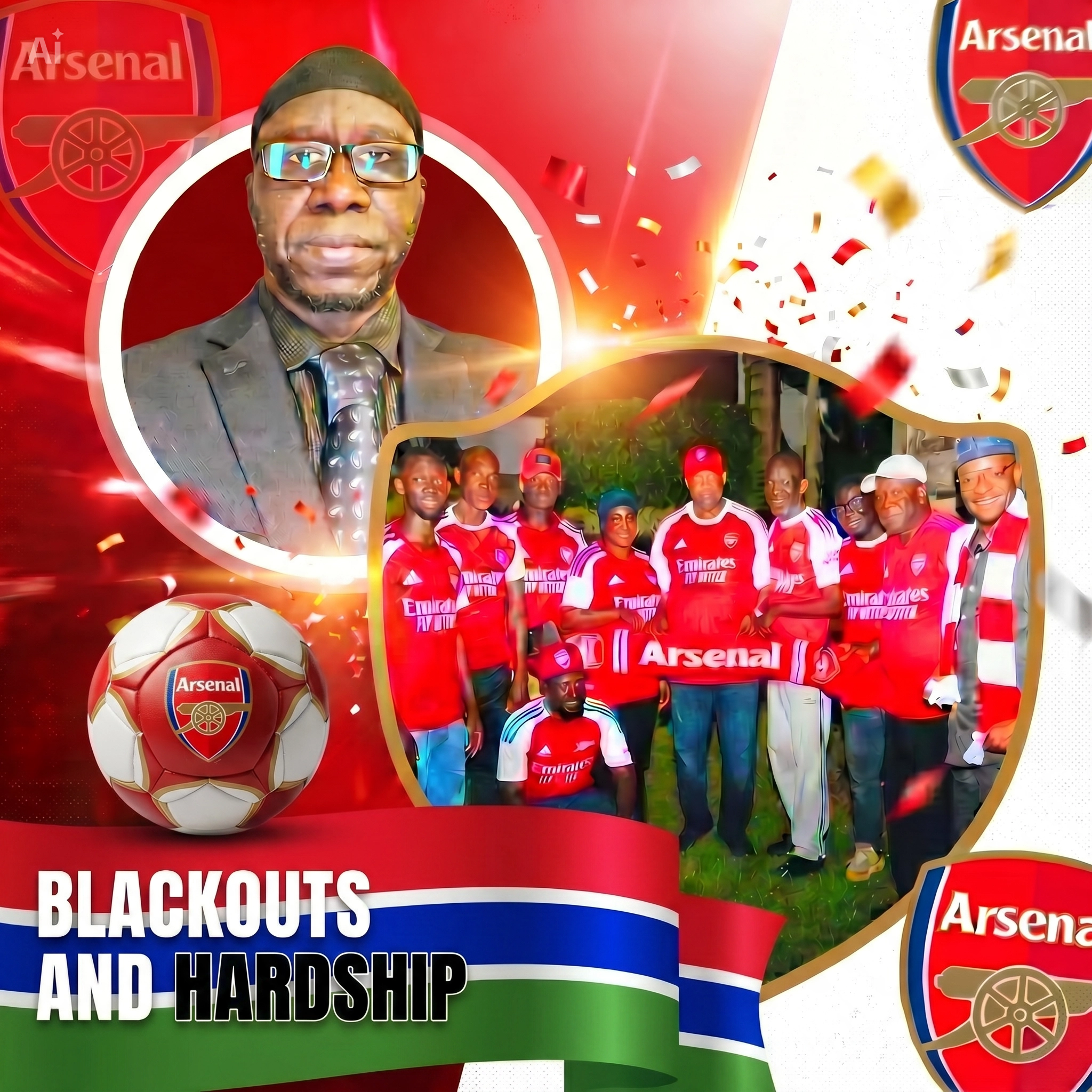
Football is a passion that transcends millions of people across the globe and there is nothing wrong with celebrating the triumph of a favorite club. The fact that Arsenal finally won the league after years of waiting was met with understandable joy by fans across the world. However, once a football celebration is associated with the highest office of the land, it ceases to be a private matter and becomes a public issue. That is why the reported State House celebration of Arsenal’s win has attracted criticism and raised legitimate questions about leadership, priorities and accountability.
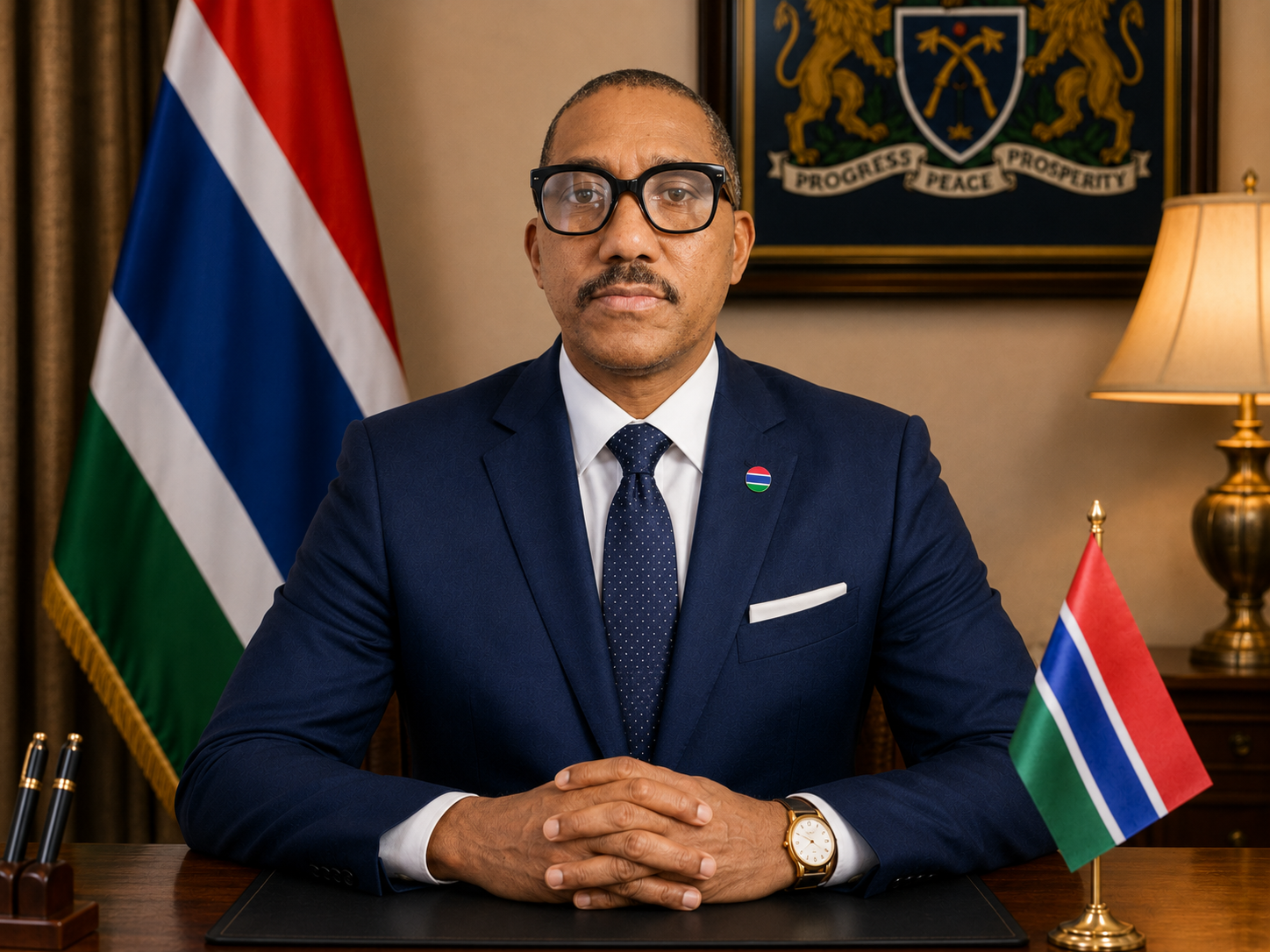
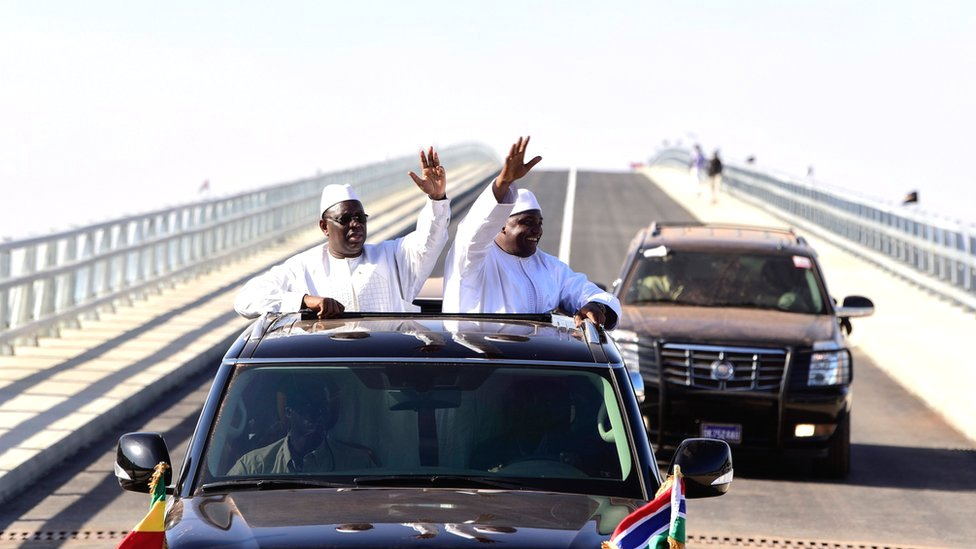
President Adama Barrow, like any citizen, has every right to support Arsenal. The issue is not his choice of football club. The issue is whether State House, a public institution funded by taxpayers, should be used for what many perceive as a sporting celebration at a time when Gambians are facing severe economic and social challenges.
Across the country, citizens continue to struggle with the rising cost of living. The cost of food is still high, unemployment continues to affect thousands of young people and many families are finding it harder and harder to make ends meet. But perhaps no issue better embodies the frustration of ordinary Gambians than the persistent electricity disruptions that have become a regular feature of daily life.
Power cuts mean sleepless nights, spoiled food, disrupted studies for kids and increased hardship during times of extreme heat for households. Blackouts mean lost income, damaged equipment, higher operating costs and lower productivity for businesses – especially small ones. Tailors, welders, internet cafes, cold stores, restaurants and countless other businesses depend on a reliable electricity supply to survive. Each power cut costs struggling entrepreneurs money they can ill afford.
In such a scenario, pictures of jubilation and merrymaking at the State House may appear to be out of touch with the realities of ordinary citizens. While many Gambians were worrying about when the lights would return, how to preserve food, or how to keep their businesses running, the nation’s highest office appeared to be hosting a football celebration. Whether fair or not, such optics inevitably raise questions about priorities.
Leadership is not only “policy” but also “symbolism.” Citizens want their leaders to be empathetic and to understand the hardships they face. In times of economic difficulty and unreliable public services, restraint sends a powerful message. Extravagance, or the perception of it, sends another.
The government should therefore be clear about what the event is, how much it costs and if public resources were used. Such transparency would help allay public concerns and strengthen confidence in public institutions.
This is a debate about much more than football. It is about governance, accountability and the responsibility of leaders to keep their eyes on the ball of the urgent challenges facing the nation. Gambians are still struggling to come to terms with economic hardship and recurrent electricity failures and they deserve a government whose actions match the gravity of those struggles and whose priorities are squarely aligned with the needs of the people.