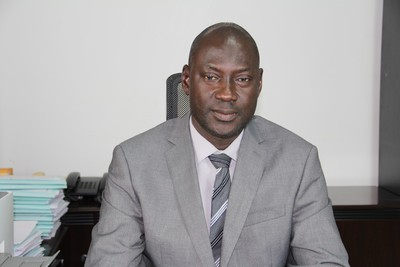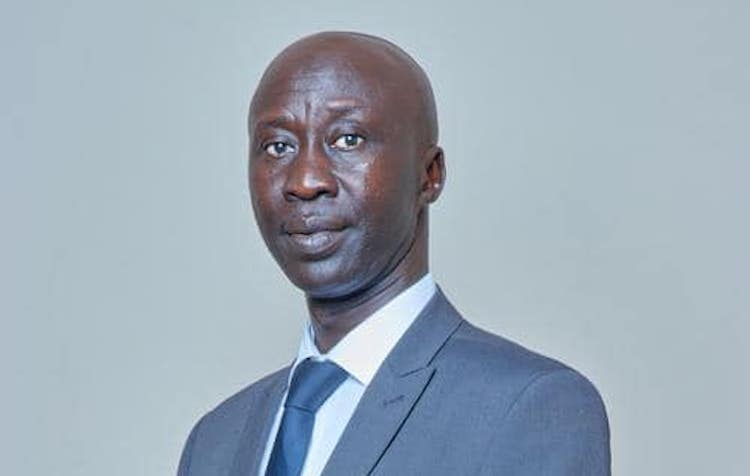

The Gambia’s Auditor General, Cherno Amadou Sowe, has called on journalists and editors to exercise greater care when reporting public sector audit findings, warning that misinterpretation of technical reports can mislead citizens and weaken efforts to hold public institutions accountable.
Speaking on Wednesday, October 14, 2026, at the National Audit Office’s (NAO) annual media engagement forum at the Senegambia Beach Hotel, Sowe said responsible reporting was essential to ensuring that audit findings contribute to transparency and better management of public funds.
The forum, held under the theme “Promoting Accurate Audit Reporting and Greater Understanding of Public Sector Auditing,” brought together journalists and editors from television, radio, print, online and community media.
The gathering was intended to improve media practitioners’ understanding of public sector auditing and encourage closer cooperation between journalists and auditors.
Sowe said the value of the NAO’s work depended not only on the independence and quality of its audits, but also on how the findings were presented to the public.
“The National Audit Office recognizes and appreciates the contribution of the media in bringing matters of public interest to the attention of citizens. We do not regard you merely as recipients of our audit reports but as important stakeholders in the broader accountability ecosystem,” he said.
As the country’s supreme audit institution, the NAO examines how public resources are managed and spent. Its work includes assessing whether government institutions comply with relevant laws and regulations and whether public funds are used economically, efficiently and effectively.
The office conducts financial, compliance, performance, information technology and other specialised audits. These examinations are intended to identify weaknesses in public financial management, improve institutional accountability and support better service delivery.
Sowe described journalists as an important link between auditors and the public, saying the media helps turn complex financial and administrative information into reports citizens can understand.
“Through your reporting, citizens gain greater awareness of audit findings, public institutions are encouraged to respond to identified weaknesses, and issues requiring further attention can receive the necessary public scrutiny,” he said.
However, he warned that audit reports should not be interpreted without a proper understanding of the standards, procedures and technical language used in the auditing process.
He urged journalists to distinguish between different categories of audit findings, explain their significance accurately and avoid drawing conclusions that are not supported by the evidence presented.
The message was not that audit findings should receive less scrutiny, but that reporting must be accurate and properly contextualised. Misrepresenting an audit finding, he suggested, risks confusing the public and undermining the accountability process the reports are intended to strengthen.
The forum also highlighted the need for regular communication between the NAO and media organisations so that audit findings can be reported accurately while still receiving the public attention they warrant.
Sowe said the office remained committed to making information about its work available through its website, social media platforms and other communication channels. He noted that audit reports and institutional updates were regularly published to keep citizens informed.
The meeting ended with a call for stronger cooperation between the two institutions, with participants recognising the role of accurate and responsible journalism in promoting public oversight of government expenditure.
For the NAO, the broader objective is to ensure that audit findings lead to more than the identification of financial and administrative weaknesses. Properly understood and reported, they can help inform public debate, encourage corrective action and strengthen accountability in the use of national resources.