Public confidence in The Gambia’s Independent Electoral Commission (IEC) came under intense scrutiny during Thursday’s edition of AG Radio’s weekly Viewpoint programme, following the omission of thousands of registered voters from the provisional voter list.
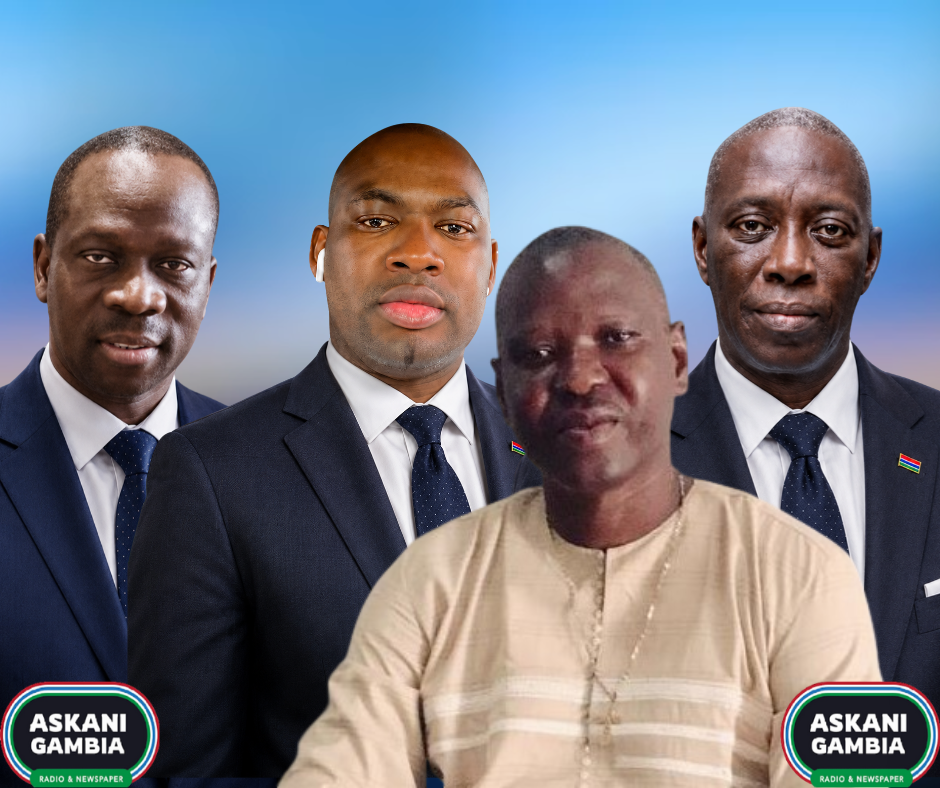
The programme featured Honourable Musa Cham, National Assembly Member for Serekunda; Tobaski Sibi, National Youth President of the United Movement for Change (UMC); and MC Cham Jr., a senior UMC official. They were joined by AG Radio panelists Bura Dibba, Gibril Fadia and Baboucarr Mboge (Chairman).
The discussion centred on growing complaints from voters who discovered that their names were missing from provisional voter lists displayed at public locations, including centres in Bakau. The IEC subsequently acknowledged that the names of 3,713 people nationwide were contained in its voter-registration database but were not printed on the provisional list.
Although the Commission described the problem as an omission, the panelists argued that such a major error had further damaged public confidence in an institution already facing serious questions about its competence, independence and ability to conduct credible elections.
They questioned how thousands of registered voters could be excluded from an official list during a crucial electoral process and warned that administrative explanations alone would not be enough to restore trust. According to the panelists, the omission has strengthened public fears that the IEC may be unprepared to manage a transparent, inclusive and credible presidential election.
Honourable Cham, Sibi, MC Cham Jr., Mboge and Bura Dibba expressed deep scepticism about the Commission’s credibility, arguing that its record has failed to inspire confidence among voters and political stakeholders.
The panelists also raised concerns about IEC Chairman Joseph Colley and Chief Electoral Officer Sambujang Njie. They referred to allegations and controversies previously associated with the Commission and maintained that officials facing unresolved questions should not continue occupying sensitive electoral positions without full public accountability.
They stressed, however, that allegations should be independently investigated and proven through a transparent process. They asked the IEC to give a full reason for why the omission happened, to identify those responsible, to rectify the voter list at the earliest and to bring in stronger safeguards to avoid similar failures.
The debate ended with the conclusion that the IEC cannot demand public trust – it must earn it by being transparent, competent and accountable and by treating every registered voter equally.
By Salieu Njie