
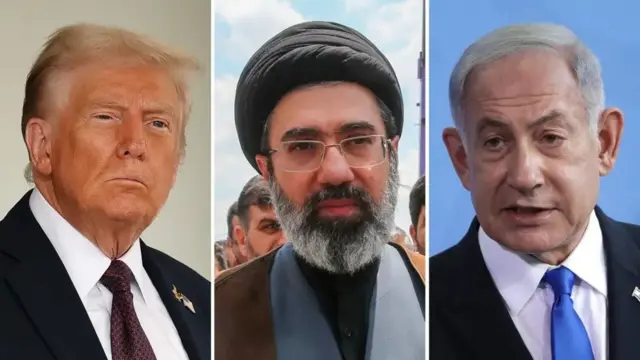
The ongoing war involving the United States, Israel, and Iran is no longer a regional crisis—it has become a global turning point, sending economic, political, and humanitarian shockwaves across continents. As the conflict intensifies, its ripple effects are being felt from energy markets to food supplies, raising fears of a broader global crisis.
Energy Markets in Turmoil
At the heart of the global impact lies the disruption of energy supplies. The conflict has severely affected the Strait of Hormuz, one of the world’s most critical oil transit routes, through which roughly 20% of global oil flows.
With tanker traffic disrupted and infrastructure under threat, oil prices have surged above $100 per barrel in recent weeks, marking the most severe energy shock since the 1970s. Analysts warn that a prolonged disruption could push prices even higher, dramatically increasing fuel costs for households and industries worldwide.
The consequences extend beyond oil. Natural gas supplies have also been hit, particularly in Europe, where prices have nearly doubled due to disruptions in Middle Eastern exports.
Rising Inflation and Recession Fears
The surge in energy prices is feeding directly into global inflation. As fuel becomes more expensive, so too does transportation, manufacturing, and food production. Economists warn that the conflict could push the global economy toward “stagflation”—a dangerous mix of high inflation and low growth.
Financial markets have already reacted nervously. Major stock indices in the United States and Europe have fallen following key escalations, reflecting investor uncertainty and fears of prolonged instability.
According to economic forecasts, a wider regional war could cut global economic growth while significantly increasing inflation, placing additional strain on already fragile post-pandemic economies.
Disruption to Global Trade and Supply Chains
Beyond energy, the war is disrupting global trade routes. Shipping through the Persian Gulf has become increasingly risky, forcing companies to reroute vessels, delay shipments, and absorb higher insurance costs.
These disruptions are slowing supply chains worldwide, particularly affecting industries reliant on timely deliveries, such as electronics, automotive manufacturing, and agriculture. Air freight and maritime logistics have both been impacted, compounding delays and increasing costs for businesses and consumers alike.
Emerging Food Security Concerns
One of the most alarming consequences is the growing threat to global food security. The Gulf region plays a crucial role in the production and export of fertilisers, and disruptions to this supply have already driven prices sharply higher.
Higher fertiliser costs translate into more expensive crop production, raising the risk of food inflation—especially in developing countries. Experts warn that this could lead to shortages of staple foods and increased economic hardship in vulnerable regions.
Shifting Geopolitical Alliances
The war is also reshaping global politics. Countries in Europe, Asia, and the Gulf are reassessing their alliances and security strategies, as the conflict exposes vulnerabilities in existing defence arrangements.
Major powers such as China and Russia have called for de-escalation while positioning themselves diplomatically, highlighting a shifting balance in global influence. The conflict risks deepening divisions between global blocs and accelerating a new era of geopolitical competition.
A Fragile Global Outlook
As the war continues, its global consequences are becoming increasingly severe. From soaring energy prices and disrupted trade to rising food insecurity and geopolitical uncertainty, the conflict is testing the resilience of the international system.
With no clear resolution in sight, the U.S.–Israel–Iran war is not just a regional confrontation—it is a crisis with the potential to redefine the global economic and political order for years to come.