
WASHINGTON / TEHRAN — The crisis between the United States, its ally Israel, and the Islamic Republic of Iran entered a new and perilous phase on Sunday, with intense military operations continuing, casualties rising, and global alarm spreading over the expanding conflict.
The U.S. Pentagon confirmed that three American service members have been killed and five more seriously wounded in operations against Iran — the first U.S. military deaths since the conflict erupted over the weekend. The troops were killed during Iranian counterattacks on U.S. military positions in the broader Middle East, including bases in Kuwait and neighboring countries.
The surge of violence stems from a massive joint military campaign launched late Saturday, February 28, 2026, by the United States and Israel against Iranian targets inside Iran in what both governments described as a decisive offensive to degrade Tehran’s military, missile and nuclear infrastructure. Iranian state media confirmed the death of Supreme Leader Ayatollah Ali Khamenei, along with several senior commanders, in strikes on leadership sites in Tehran — a development that has sent shockwaves throughout the region and triggered widespread vows of retaliation by Iran’s political and military leadership.
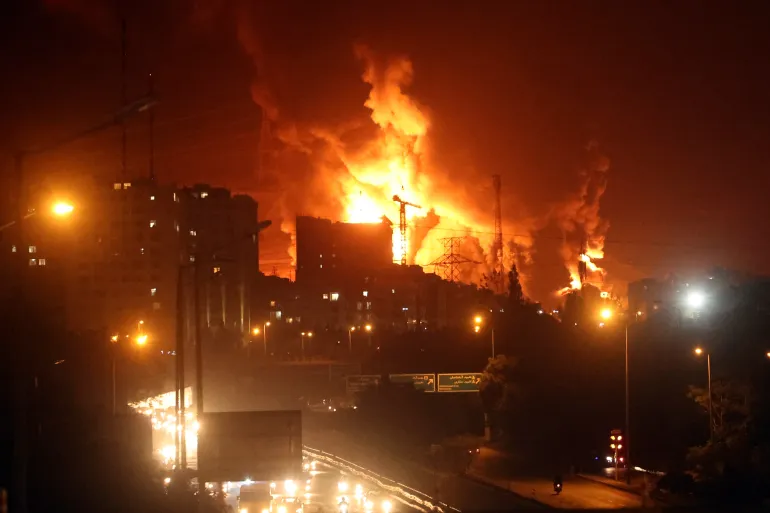
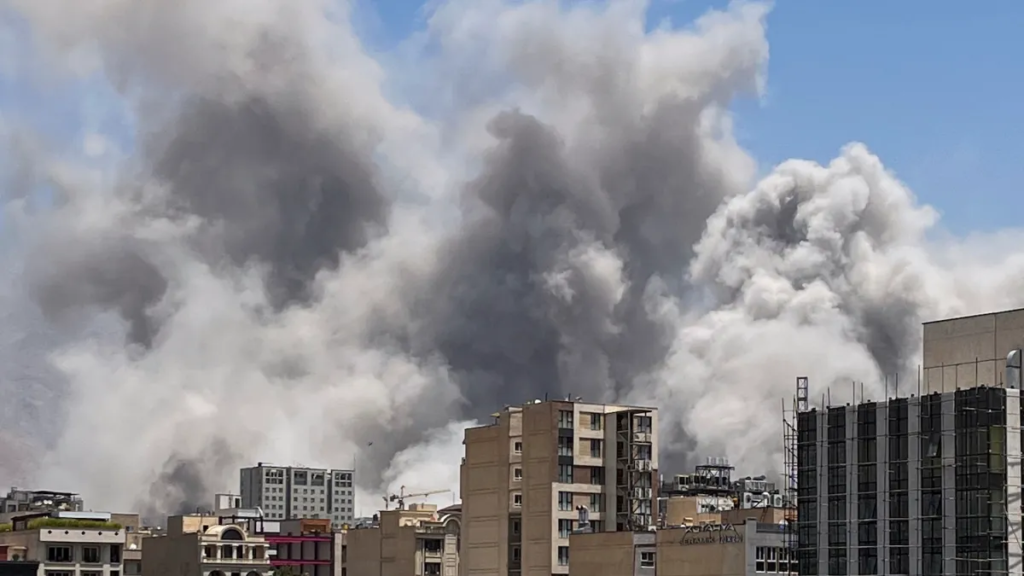
The offensive — branded by some U.S. officials as Operation Epic Fury — reportedly involves extensive air and missile strikes on dozens of military, ballistic missile and command installations across Iran’s provinces. Satellite imagery and defence sources indicate significant destruction with smoke rising from key port areas and military facilities.
Iran has responded with a broad counteroffensive involving ballistic missiles, drones and artillery strikes directed at Israel, U.S. bases in the Gulf region and other allied forces. Officials in Tehran describe the retaliatory operations as “revenge” for attacks on Iranian leadership and territory.
One of the most tragic and controversial incidents so far has been a strike on a primary school in Minab, southern Iran, where Iranian authorities report that at least 148 children and civilians were killed in an attack on Saturday. These figures, while unverified by independent sources, have prompted global outrage and sparked condemnation of all sides engaged in hostilities. The U.S. military has acknowledged reports of civilian casualties and says it is investigating the incident.
The escalation has reverberated far beyond the battlefield. Global financial markets are responding with heightened volatility, particularly in energy and commodities markets, as traders brace for sustained instability in the Middle East and potential disruptions to oil shipments through strategic chokepoints.
International reaction has been sharply divided. Some U.S. allies have expressed support for actions intended to curb perceived threats from Iran’s military and nuclear capabilities, while others have warned that the conflict risks spiralling into a much larger regional war. United Nations officials have called for an immediate ceasefire and urged both sides to pursue diplomacy to prevent further loss of life.
Across cities in Iran, heightened security and emergency measures are in place as authorities mobilise for ongoing conflict. In other parts of the world, airports and security forces — including in countries such as Greece — have boosted alerts amid fears of wider geopolitical fallout.
As of Sunday evening, no ceasefire or diplomatic breakthrough has been reached, and both sides show little sign of backing down. With mounting casualties, civilian suffering, and deepening global divisions, the crisis poses one of the gravest threats to regional and international stability in years.