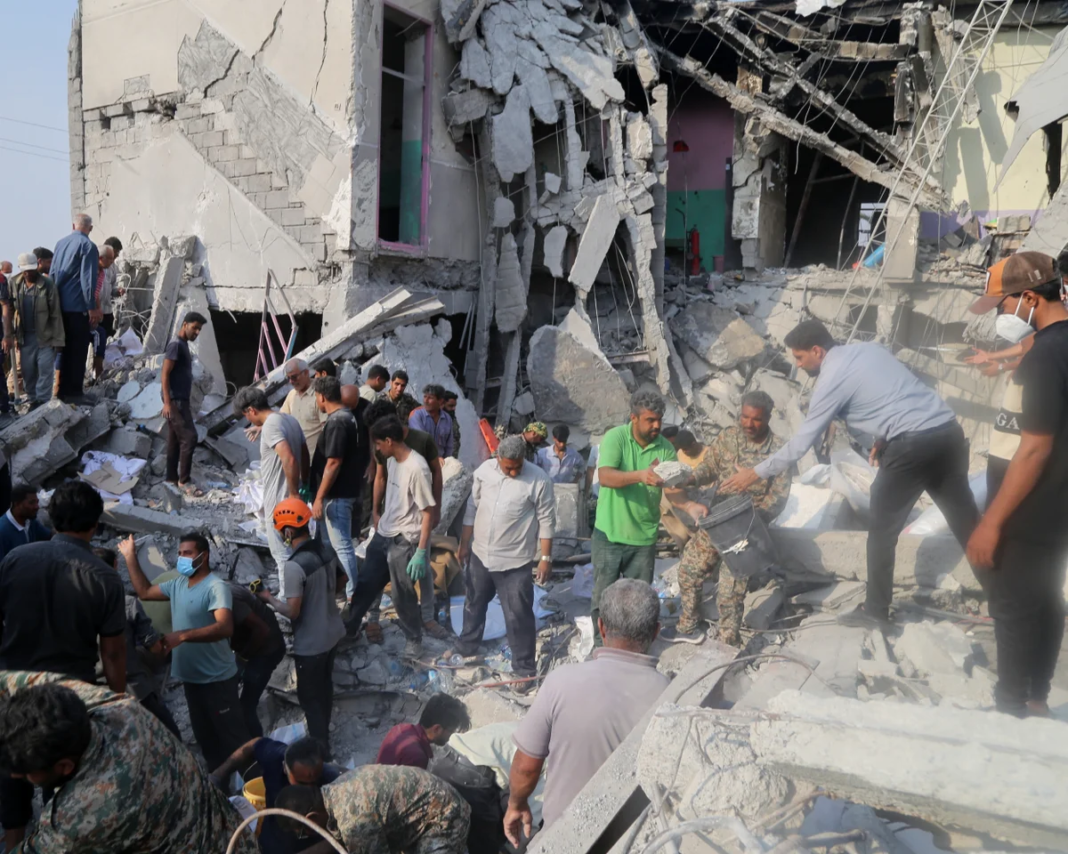
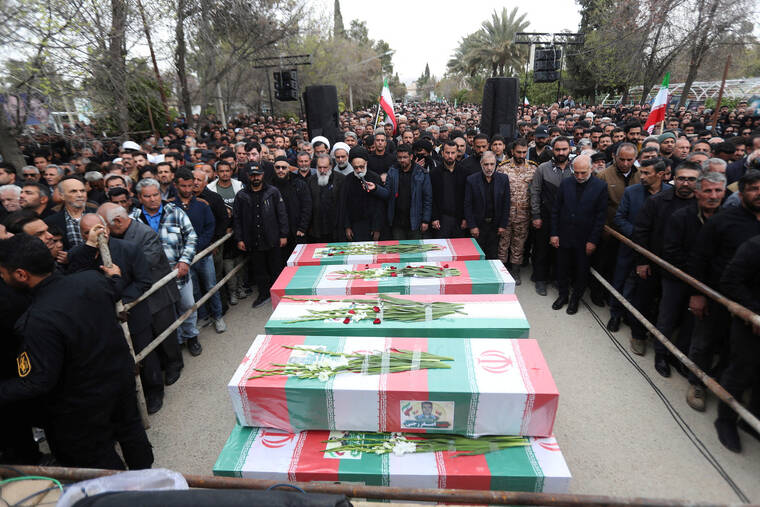
On 28 February 2026, a missile strike destroyed the Shajareh Tayyebeh girls’ elementary school in the Iranian city of Minab. The attack killed at least 168 people, most of them schoolchildren aged between seven and twelve, and injured dozens more. The school’s roof collapsed under the force of the blast, trapping students and teachers beneath the rubble. By the end of the day, small coffins lined the streets of Minab as grieving families buried their daughters.
It was one of the deadliest civilian incidents of the ongoing conflict involving Iran. Yet outside the region, the global response has been strikingly muted.
If 168 schoolgirls were killed in Europe, North America, or Ukraine, the reaction would be immediate and overwhelming. Headlines would dominate front pages for weeks. Political leaders would hold press conferences, social media campaigns would emerge overnight, and the victims’ names and faces would be known around the world.
But when the victims are Iranian children, the silence is deafening.
International organisations, including UNESCO and the United Nations Children’s Fund, condemned the attack as a grave violation of humanitarian law and reiterated that schools must be protected during armed conflict. Yet these statements have not translated into the level of political outrage that similar tragedies elsewhere provoke.
This disparity exposes an uncomfortable truth: in global politics, empathy often follows geopolitical interests.
Western governments frequently position themselves as defenders of human rights, particularly when criticizing adversaries such as Iran. In recent years, Western leaders have spoken passionately about women’s rights in the country, especially during protests following the death of young women like Mahsa Amini. The message was clear — the world must stand with Iranian girls and women seeking freedom.
But the deaths of 168 schoolgirls in Minab present a difficult contradiction.
If the protection of Iranian girls truly matters, then the lives lost in Minab should provoke the same moral urgency as any tragedy involving children. Human rights cannot be selectively applied depending on who the victims are or which government controls their country.
Of course, the politics surrounding Iran are complex. The Iranian government itself is widely criticized for repression and human rights abuses. But acknowledging that reality does not make the deaths of innocent children any less tragic. Children do not represent regimes, ideologies, or strategic interests. They represent futures that have been violently cut short.
The images from Minab — classrooms reduced to rubble, rows of tiny graves, families mourning daughters who never returned home — should haunt the conscience of the international community.
Yet for many in the West, they barely registered.
The tragedy of Minab should remind us that the value of a child’s life must never depend on nationality or politics. When outrage becomes selective, compassion loses its meaning. And when the world stays silent after 168 schoolgirls are killed, that silence speaks volumes.