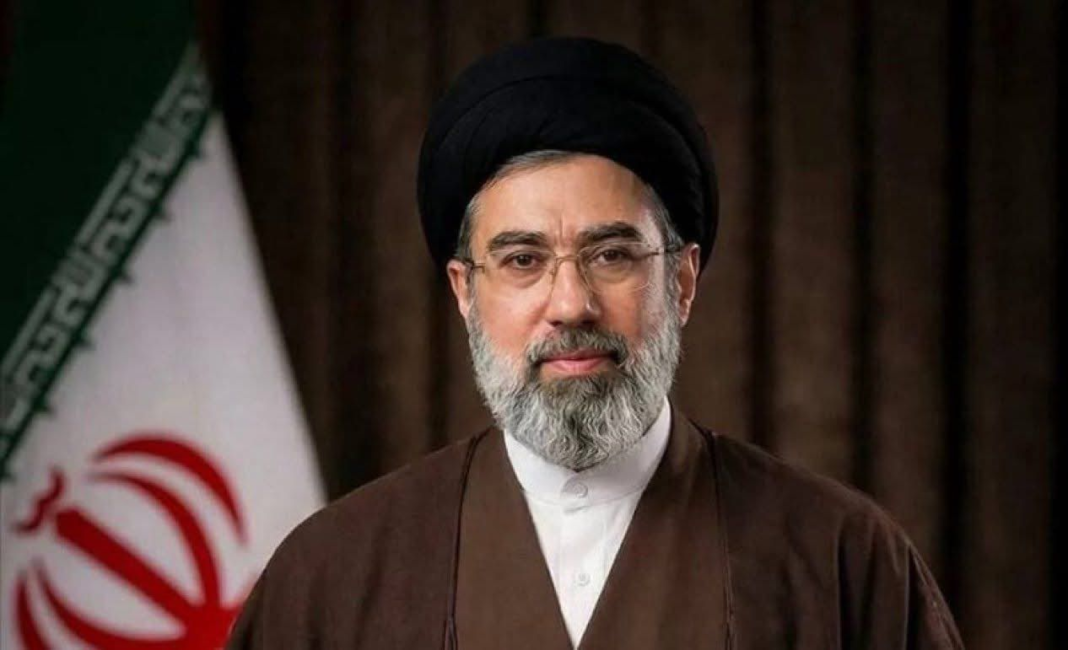
Mojtaba Khamenei. The 56-year-old cleric was chosen by the powerful Assembly of Experts in early March 2026, just days after the death of his father, Ali Khamenei, who had ruled the country for nearly four decades.
His appointment marks a historic moment for the Iranian political system. For the first time since the Iranian Revolution of 1979, the country’s highest authority has effectively passed from father to son, raising questions among analysts about whether the Islamic Republic is drifting toward a form of dynastic leadership.
The decision comes during one of the most turbulent periods in Iran’s modern history. Ali Khamenei was killed in late February amid a rapidly escalating conflict involving the United States and Israel, a development that plunged the region into deeper instability and forced Iran’s leadership to move quickly to ensure continuity of power.
Born in 1969 in the northeastern city of Mashhad, Mojtaba Khamenei grew up inside the political and religious circles that shaped the Islamic Republic after the revolution. Unlike many senior Iranian figures, however, he has largely remained out of the public spotlight. He studied theology in the clerical city of Qom and spent much of his career working behind the scenes within his father’s office.
Despite his relatively low public profile, Mojtaba has long been considered one of the most influential figures inside Iran’s political establishment. Analysts say he built strong relationships with conservative clerics and with the powerful Islamic Revolutionary Guard Corps (IRGC), the military and security force that plays a central role in Iran’s politics and regional strategy.
Support from these institutions proved crucial to his selection. Shortly after the announcement, Iran’s armed forces and senior political leaders publicly pledged allegiance to the new leader, urging national unity during what officials describe as a critical moment for the country.
Yet Mojtaba Khamenei’s rise is not without controversy. Critics inside and outside Iran argue that the transfer of power from father to son contradicts the founding principles of the Islamic Republic, which was established to replace the hereditary monarchy of the shah. Some reformist voices warn that the move could deepen political divisions at a time when Iran is already facing intense external pressure and economic strain.
International reactions have also been swift. Leaders in Washington and other Western capitals have expressed concern about Iran’s future direction under the new supreme leader, while regional allies of Tehran have welcomed the appointment as a sign of continuity within the Islamic Republic.
As supreme leader, Mojtaba Khamenei now holds the most powerful position in Iran, commanding the armed forces, shaping foreign policy, and exerting influence over all branches of government. With the country facing war abroad and uncertainty at home, his leadership will likely determine the course of Iran—and possibly the wider Middle East—for years to come.