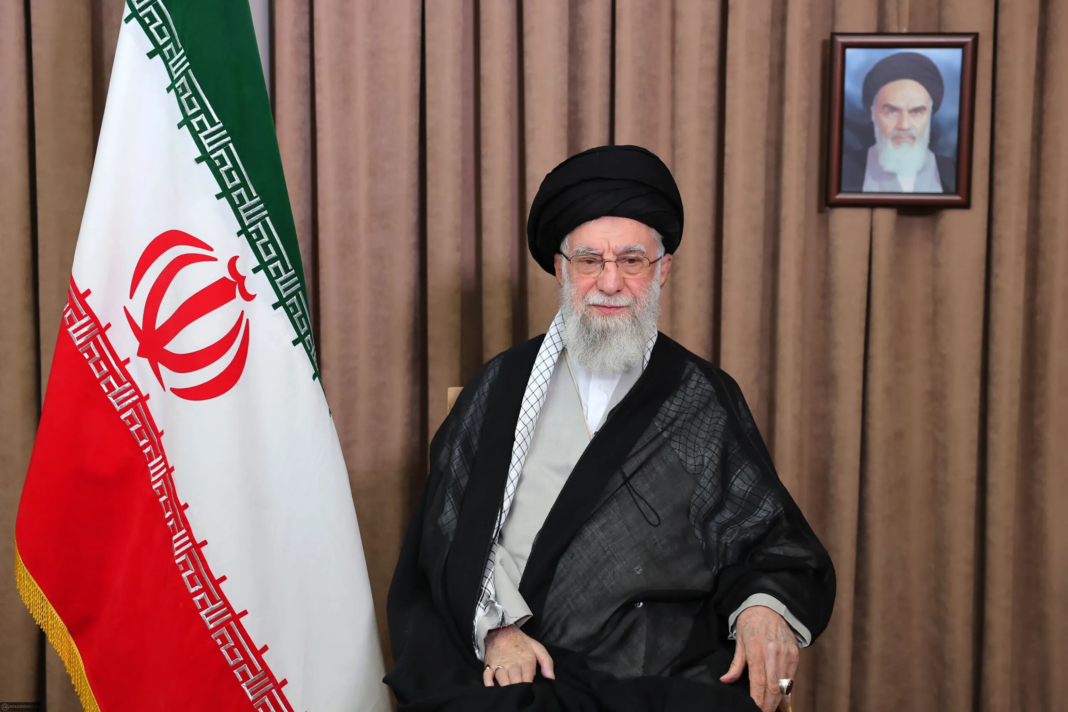
TEHRAN / DUBAI (BREAKING NEWS) — Ayatollah Ali Khamenei, the long-time Supreme Leader of Iran and one of the Islamic Republic’s most powerful figures, has been killed in a joint military strike by the United States and Israel, Iranian state media confirmed early Sunday morning.
Iran’s state-run broadcasters announced the death of the 86-year-old leader following a series of intensive airstrikes across Tehran and other strategic targets late Saturday. Officials described Khamenei’s death as a martyrdom, declaring a 40-day national mourning period and a multi-day public holiday.
According to Iranian outlets, the strike not only killed Khamenei but also several members of his immediate family, including a daughter and grandchild.
In a social media post late Saturday, U.S. President Donald Trump said that the joint operation had successfully “neutralized” what he termed a “decades-long threat” to regional peace and security, declaring the death “justice for victims of terror and oppression.”
Israeli Prime Minister Benjamin Netanyahu also indicated that there were “many signs” the supreme leader was killed in the initial bombardment, as Israeli forces targeted top Iranian leadership infrastructure.
The strikes mark the most significant direct military action against Iran in decades and come amid escalating tensions over Iran’s nuclear program, regional influence, and proxy forces.
Within hours of the announcement, the Islamic Revolutionary Guard Corps (IRGC) vowed “severe retaliation” against both the United States and Israel, calling the attack a “major crime” with plans for “intense operations” in response.
Global markets reacted swiftly to the news, with oil prices surging on fears of instability in the Middle East, where Iran exerts significant control over strategic waterways and energy exports.
International reaction was mixed. Leaders in Europe and the Gulf region called for restraint and urged an immediate cessation of hostilities, while Russia and China condemned the strike as a dangerous escalation that threatens global security.
Iran’s constitution provides for a succession process led by the Assembly of Experts, but no clear successor has yet been named. Analysts warn the death creates a power vacuum that could intensify both internal unrest and external conflict.
As explosions continue to be reported and world capitals convene urgently, the assassination of Ayatollah Ali Khamenei signals an unprecedented turning point in Middle Eastern geopolitics — with potentially far-reaching consequences that may reshape regional alliances and global diplomacy over the months ahead.