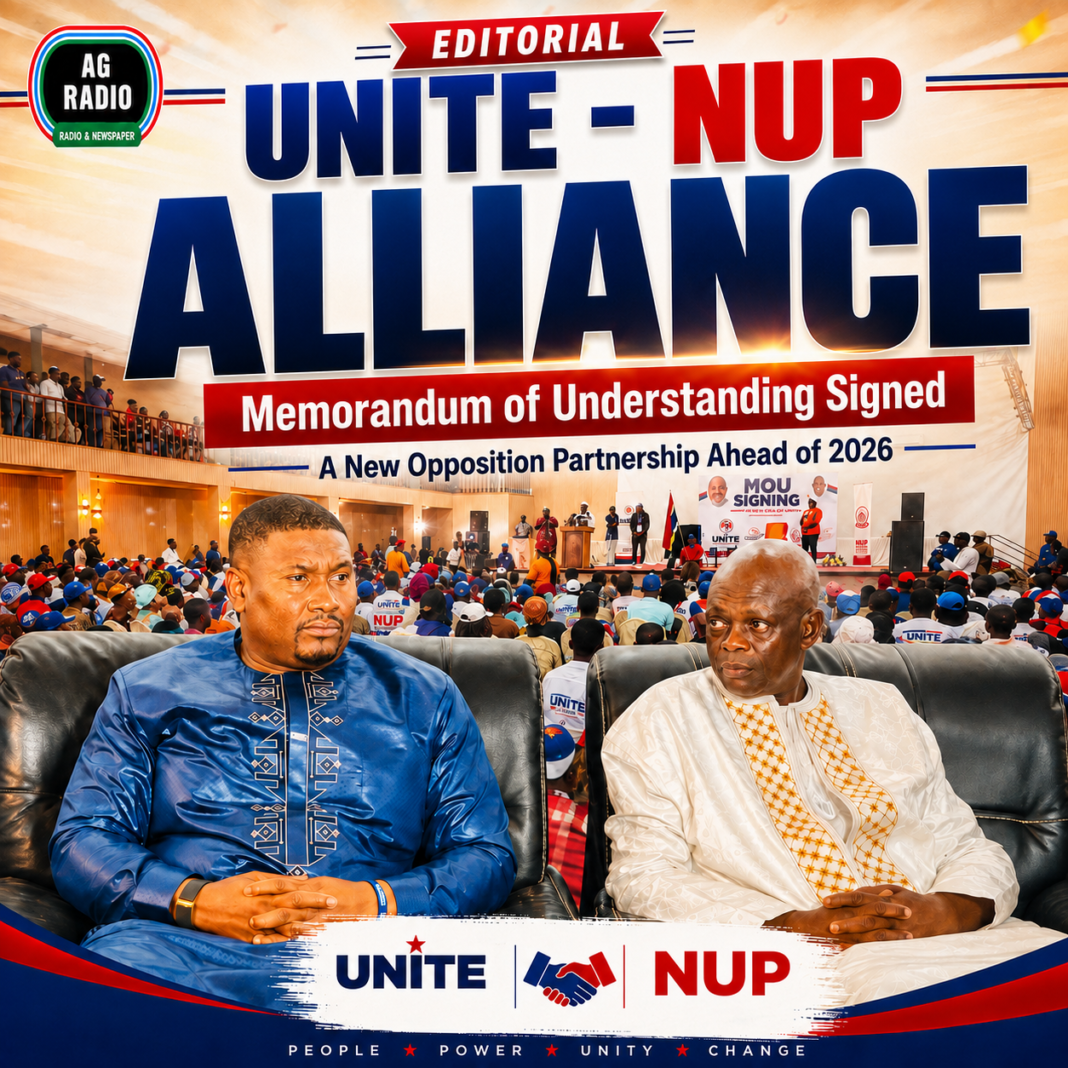
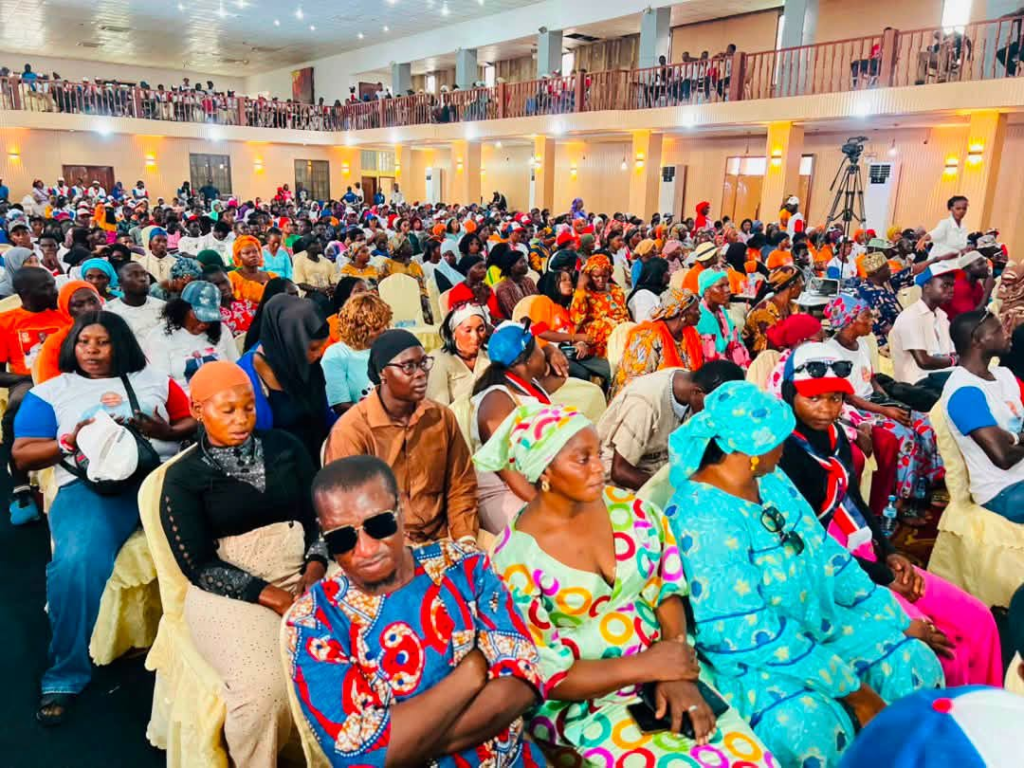
The signing of a Memorandum of Understanding between the UNITE Party and the National Unity Party represents another attempt to reorganise The Gambia’s fragmented opposition ahead of the December 2026 presidential election. While the agreement may signal political maturity and a willingness to cooperate, its importance will ultimately depend on whether it produces a credible alternative to the governing National People’s Party.
Gambians have witnessed several political alliances announced with great enthusiasm, only to collapse over leadership disputes, mistrust and disagreements about the selection of a presidential candidate. The UNITE–NUP partnership must therefore avoid becoming another ceremonial arrangement built around speeches, photographs and promises without a clear structure.
The two parties have identified the rising cost of living, corruption, insecurity and weak governance as major national concerns. These are legitimate issues, but criticism of the government alone will not be enough. The alliance must present practical policies explaining how it intends to create employment, control public spending, strengthen institutions and improve essential services.
The unresolved question of who will lead the alliance is equally important. If the parties delay the flagbearer decision or allow personal ambition to dominate negotiations, the partnership could face the same difficulties that have weakened previous opposition initiatives.
The agreement should also be transparent. Gambians deserve to know how candidates will be selected, how responsibilities will be shared and whether the alliance is open to other political forces.
The UNITE–NUP partnership is a potentially significant development, but its credibility will be measured by discipline, internal democracy and a convincing national programme—not merely by its determination to remove President Adama Barrow from office.