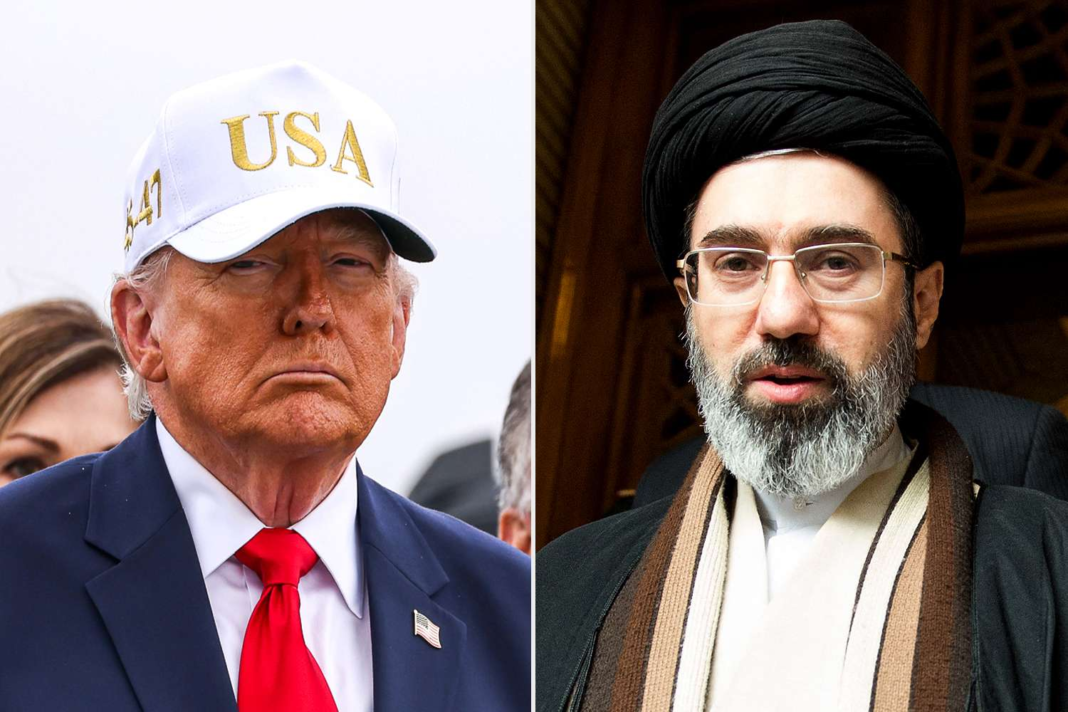
Shortly before the 48‑hour deadline expired, Trump announced a pause or postponement of planned strikes on Iran’s power grid and energy infrastructure, citing what he described as “very good and productive” talks/diplomatic engagement.
Peace talks, he tweets, have “reached out” to him.
Donald Trump now assures us that Washington and Tehran have discovered a sudden “common ground” in talks that, until very recently, existed somewhere between classified diplomacy and imaginative storytelling. According to him, after two days of these somewhat elusive discussions, Iran has already agreed, just like that, to forgo nuclear weapons altogether.
Not stopping there, Trump added that negotiations will continue over the coming days, guided by the ever-familiar special envoy Steve Witkoff and his son-in-law Jared Kushner..
As a gesture of goodwill, Trump also announced a five-day pause on strikes against Iran’s energy facilities, presumably to give diplomacy a fighting chance, or at least enough time to catch up with the narrative.
Iran’s Foreign Minister, Abbas Araqchi, has stepped forward to firmly, and rather publicly, deny that any negotiations with Donald Trump are taking place, whether directly or indirectly.
Meanwhile, CNN correspondents stationed across the Gulf have poured a bucket of cold water on the claim, noting that every official and stakeholder they managed to reach responded with the same puzzle of “What talks?” It appears the much-advertised dialogue exists somewhere between rumor and improvisation.
One is left to wonder whether these discussions are unfolding behind closed doors, through back channels… or perhaps in the quiet solitude of his own strategic imagination.
And here we are, the global audience, left to wonder what exactly we are supposed to believe?
This latest episode feels less like diplomacy and more like a high-stakes reality show. Yesterday, the markets were jittery, stocks trembling, oil prices surging towards $120 per barrel. Today, with a single tweet, calm is restored, at least temporarily. A “peaceful resolution” apparently exists in Trump’s timeline, whether it exists in reality is anyone’s guess. One might ask whether this is statecraft or a clever method of stabilizing commodity markets using nothing but words?
Meanwhile, Prime Minister Netanyahu continues to push escalation with all the subtlety of a drumline. Israel’s hardline stance reinforces the impression that this war is still a patchwork of ambitions with no coherent strategy. Ground invasions, strikes on infrastructure, threats and counter-threats, all in this theater of improvisation, and the audience is global.
We are witnessing a curious pattern of ultimatums issued, deadlines set, threats made, only to be rescinded or recast. Each declaration seems calibrated for maximum media impact, rather than military or political efficacy. Consider the “destroy Iran’s power grid in 48 hours” proclamation that vanished as if it were vapor, replaced by a narrative that peace talks are underway. Iran’s denial is minimally discussed and the reality, rather optional.
And while the headlines entertain us with tweets and denials, the strategic calculus remains harsh. No new objectives have been clearly defined. No unified plan is evident between Washington and Tel Aviv. Forces amass, budgets balloon, and yet the war lumbers forward, unpredictable and unrestrained.
What does this teach us? That in the modern age of warfare, truth is elastic. Reality bends to rhetoric and ultimatums are negotiable. Tweets are instruments of statecraft while the world watches, simultaneously alarmed and bemused.
The Middle East remains in flames, markets continue to oscillate, and leaders, despite their rhetoric, still lack clarity on what victory actually looks like. Iran, as ever, stands firm, while the rest of us navigate the strange theater of power, perception, and political storytelling.
In the end, we are left with the simple question of whether we believe what we see, or what we are told? Perhaps the wisest answer is neither, and instead, we brace for the next headline, the next tweet, and the next chapter in this unpredictable saga.
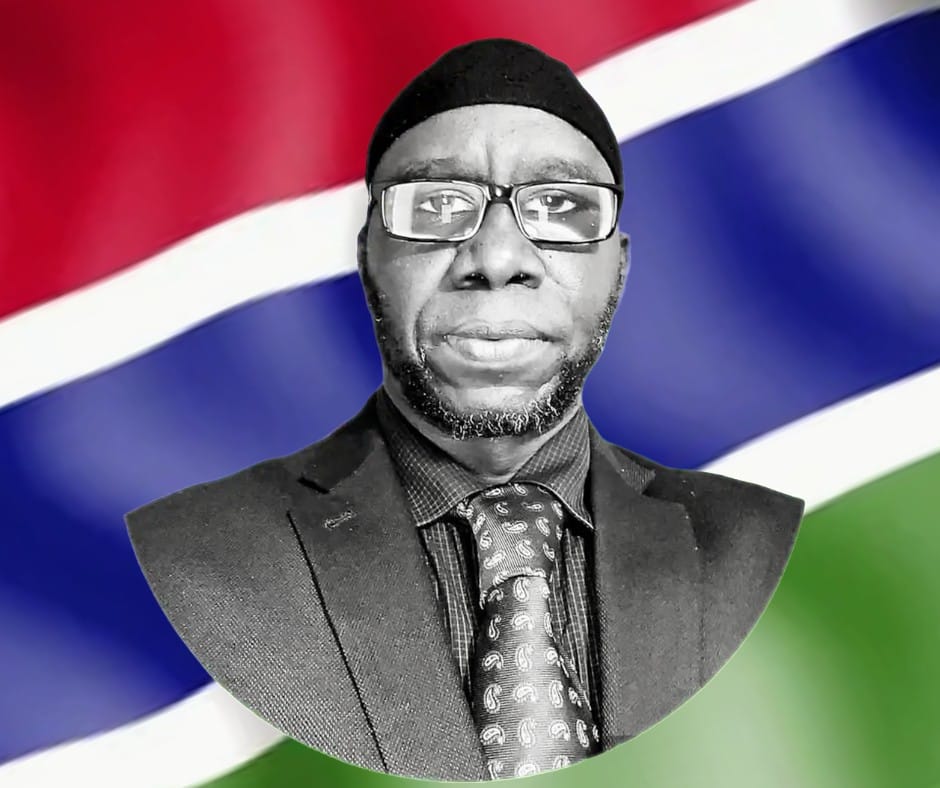
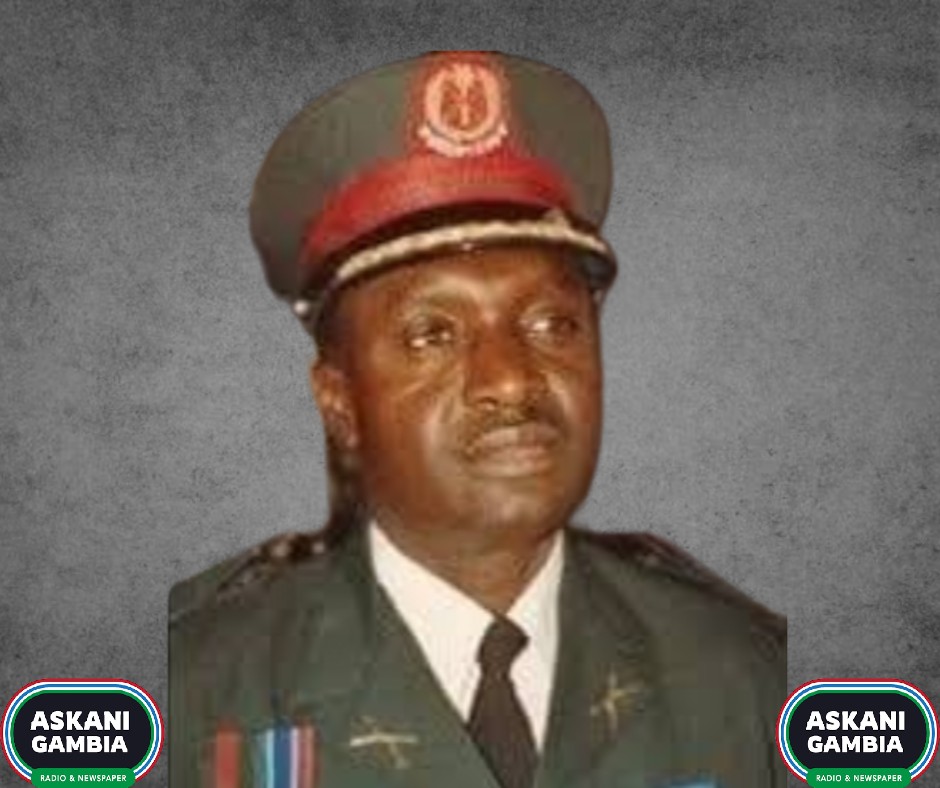
By Lt. Colonel Samsudeen Sarr (Rtd)
Former Commander of The Gambia National Army