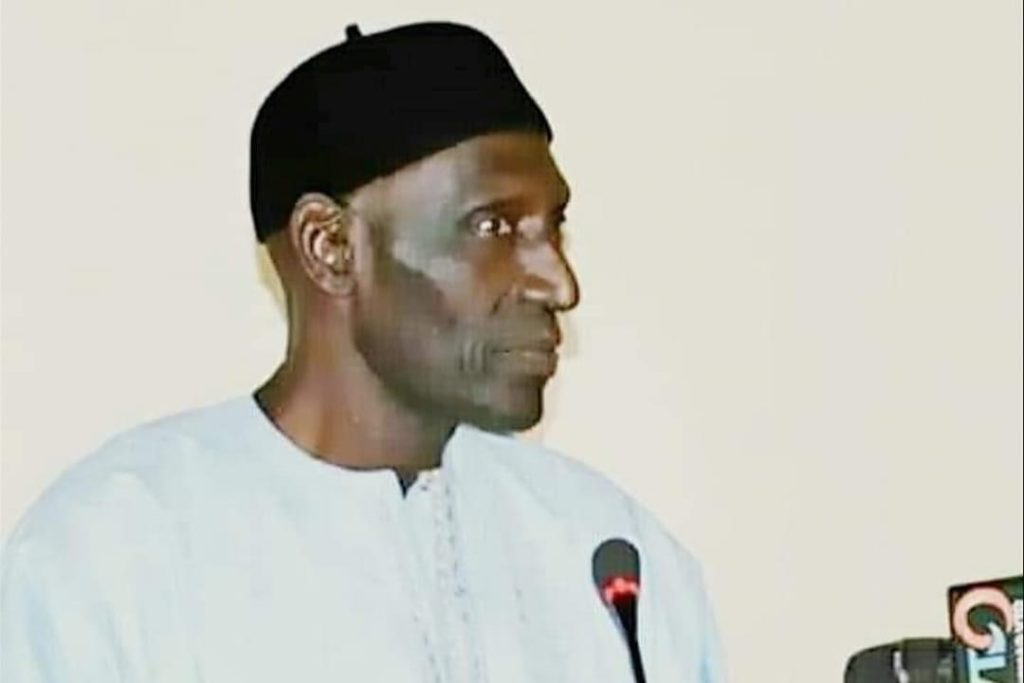
Veteran Gambian politician Sidia Jatta has urged voters to look beyond the question of who occupies the presidency and instead examine the system of governance that has kept many Gambians struggling with poverty and economic hardship more than six decades after independence.
Speaking during Team Gambia Grand Coalition’s ongoing nationwide tour, Jatta argued that the December 5 presidential election should provide an opportunity for citizens to reflect on the country’s political direction and demand a different approach to managing national affairs.
He questioned why successive changes in leadership have failed to bring meaningful improvements to the lives of ordinary people, drawing parallels between the political demands that led to the departures of former presidents Sir Dawda Kairaba Jawara and Yahya Jammeh and the current calls for President Adama Barrow to leave office.
According to Jatta, changing the person at the State House without addressing the weaknesses within the governance system risks repeating the same mistakes.
“Some are now calling for President Adama Barrow to step down; similar calls were made against former Presidents Sir Dawda Kairaba Jawara and Yahya Jammeh. What changed after those leaders stepped down? Hardship has persisted,” he said.
The veteran politician questioned how The Gambia, after 61 years of independence, continues to face widespread economic difficulties when the country has the human and material resources needed to improve the living conditions of its population.
He argued that political independence should mean more than the right to elect leaders, insisting that citizens must also enjoy the benefits of their country’s resources through better public services, economic opportunities and improved living standards.
To drive home his argument about public accountability, Jatta used the example of a shop owner who hands over a fully stocked business to someone else to manage but never asks for an account of its operations.
He explained that whenever the owner visits, the person managing the shop welcomes him with food and entertainment. Satisfied with the reception, the owner leaves without checking the books or finding out how the business is performing.
By the time he eventually decides to examine the business, he discovers that everything has been taken away.
“Who are you going to blame? Yourself,” Jatta said, using the analogy to challenge Gambians to take greater responsibility for holding those entrusted with public office accountable.
He extended the argument to the management of national resources, pointing out that the government handles an annual budget running into billions of dalasis, much of it generated through taxes and other public revenues.
Jatta questioned whether ordinary citizens, many of whom struggle to meet their daily needs, are sufficiently concerned about how that money is collected, allocated and spent.
He maintained that public funds should be used to improve the welfare of the population rather than serve the interests of a privileged few.
For Jatta, the December election presents an opportunity for Gambians to decide what kind of country they want to build, rather than simply choosing another individual to occupy the presidency.
He said Team Gambia Grand Coalition’s nationwide engagement is intended to encourage citizens to discuss their expectations of government and identify the changes needed to secure a better future for the country.
Among the priorities he highlighted were affordable and accessible healthcare, quality education and an agricultural sector capable of providing farmers with decent returns for their labour.
He also urged voters not to underestimate the power of their ballots, arguing that elections should be about choosing leaders who are prepared to serve the public and manage national resources responsibly.
The veteran politician warned against placing the country’s future in the hands of individuals whose main ambition is to acquire presidential power, enjoy its privileges or use public office to intimidate and suppress citizens.
He suggested that without a fundamental change in the way political authority is exercised and public resources are managed, another change of president may offer little relief to ordinary Gambians.
At the heart of Jatta’s message is a broader question about the country’s political future: whether The Gambia will continue with a system in which the benefits of national resources are concentrated in the hands of a few, or move towards one that gives the wider population a fairer share of the country’s wealth.
As the December 5 election approaches, his appeal is for voters to look beyond political personalities and party loyalties and focus on the governance arrangements, accountability and national priorities that will shape their future.