In a development that has stirred legal and public debate across The Gambia, Ousainou Bojang and his sister Amie Bojang were rearrested shortly after being acquitted by the High Court on Monday. The unexpected move has raised serious questions about due process, judicial independence, and the rights of acquitted individuals under Gambian law.
The High Court’s ruling earlier in the day had cleared both Ousainou and Amie Bojang of all charges brought against them, following months of legal proceedings that drew national attention. Presiding judges cited insufficient evidence to sustain a conviction, emphasizing that the prosecution had failed to meet the burden of proof required in a criminal case. Supporters of the Bojang family welcomed the verdict with relief, viewing it as a long-overdue affirmation of justice.
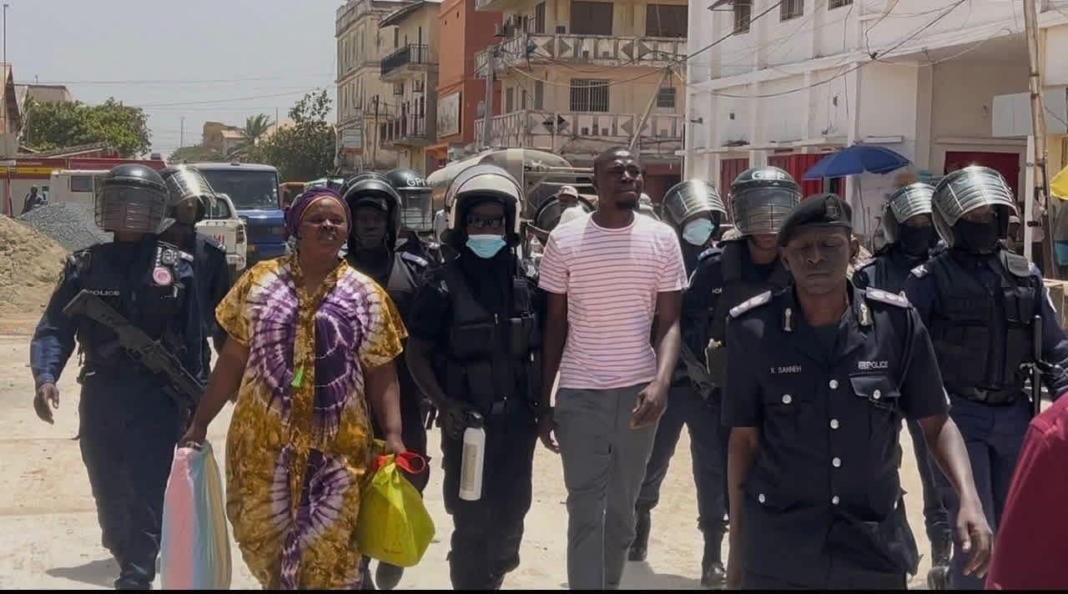
However, celebrations were short-lived. Within hours of their release, security officers reportedly took the siblings back into custody under circumstances that remain unclear. Eyewitness accounts suggest that plainclothes officers approached the pair as they exited the courthouse premises, informing them of a new directive for their detention. Authorities have yet to issue a comprehensive public statement detailing the legal basis for the rearrest.
The incident has triggered widespread concern among legal experts and civil society organizations. Many argue that rearresting individuals immediately after an acquittal undermines the authority of the courts and erodes public trust in the justice system. “An acquittal by a competent court should ordinarily bring finality to a case,” said one prominent legal analyst. “If there are new charges, they must be clearly stated and justified within the framework of the law.”
Human rights advocates have also voiced alarm, calling for transparency and adherence to constitutional protections. Several organizations have urged the government to clarify whether the rearrest is linked to new evidence or separate allegations, or whether it reflects procedural irregularities. Social media platforms have been flooded with reactions, with many citizens expressing confusion and frustration over the unfolding situation.
The Bojang case has been closely followed due to its broader implications for governance and the rule of law in The Gambia. Observers note that the country has made strides in judicial reform in recent years, but incidents like this risk reversing progress. The lack of immediate communication from law enforcement agencies has only intensified speculation and concern.
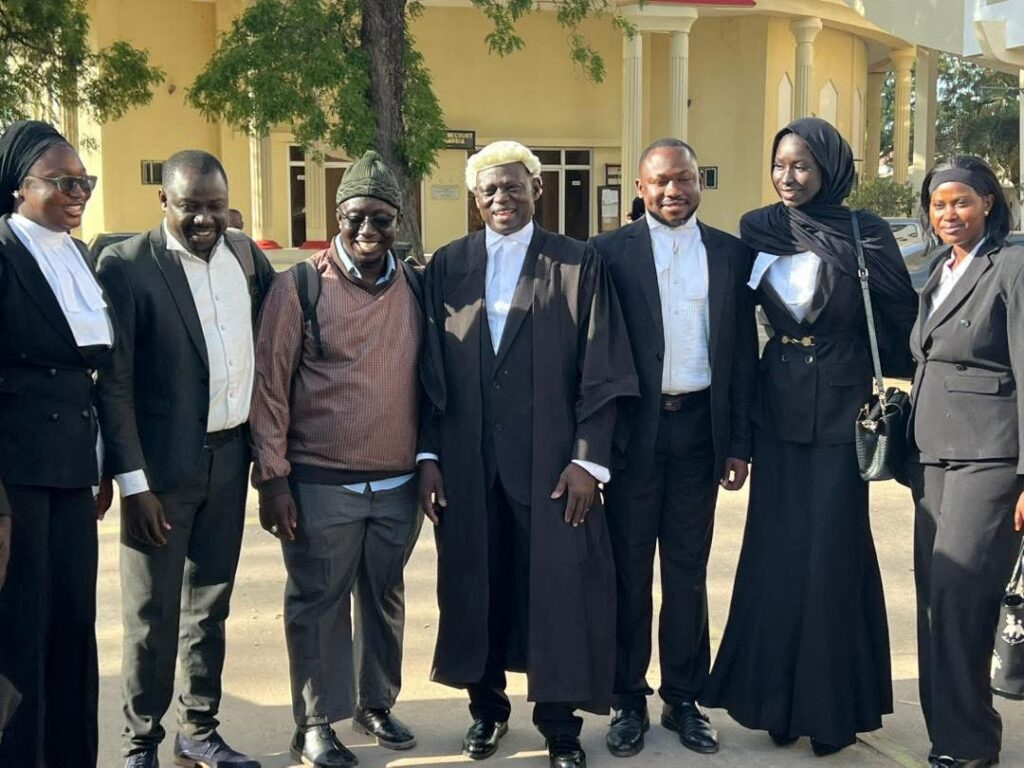
Family members of Ousainou and Amie Bojang have appealed for calm while demanding answers. In a brief statement, a relative described the rearrest as “deeply distressing” and called on authorities to respect the court’s decision. Legal representatives for the siblings are reportedly preparing to challenge the detention, potentially setting the stage for another high-profile court battle.
Government officials have so far remained largely silent, though sources indicate that an official statement may be forthcoming. Analysts suggest that how the authorities handle the situation in the coming days will be critical in shaping both domestic and international perceptions of the country’s commitment to justice and human rights.
As the story continues to develop, many Gambians are left grappling with a fundamental question: can a court’s acquittal truly guarantee freedom, or does the rearrest of Ousainou and Amie Bojang signal deeper uncertainties within the legal system? The answer may have lasting consequences for the nation’s democratic institutions and the rule of law.
Written by Salieu Njie