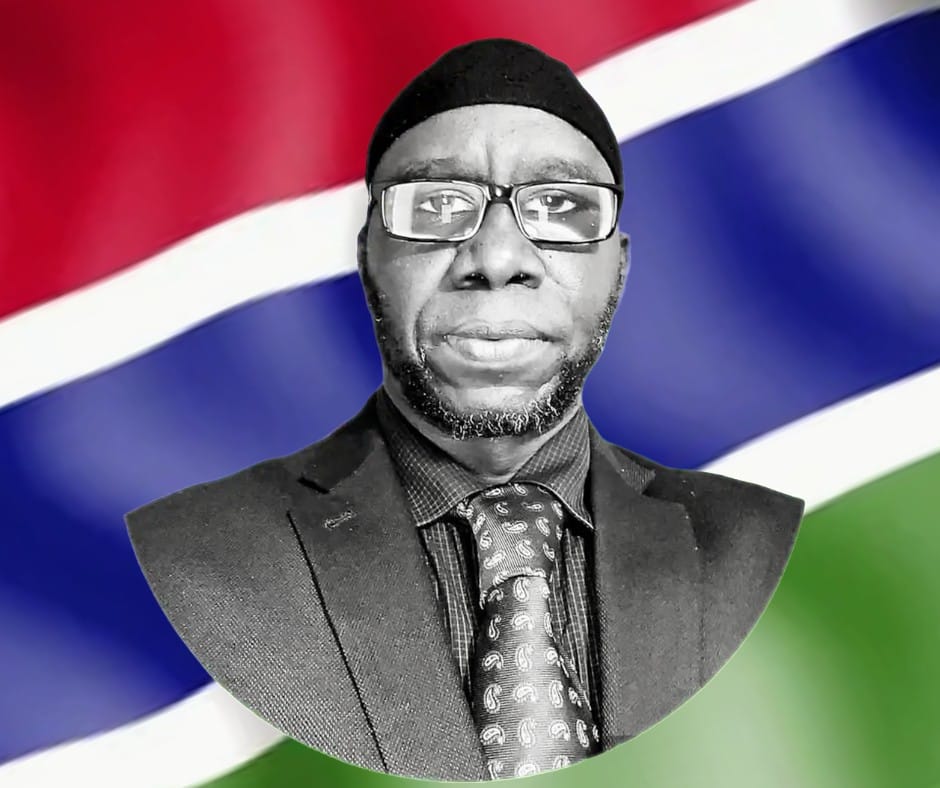
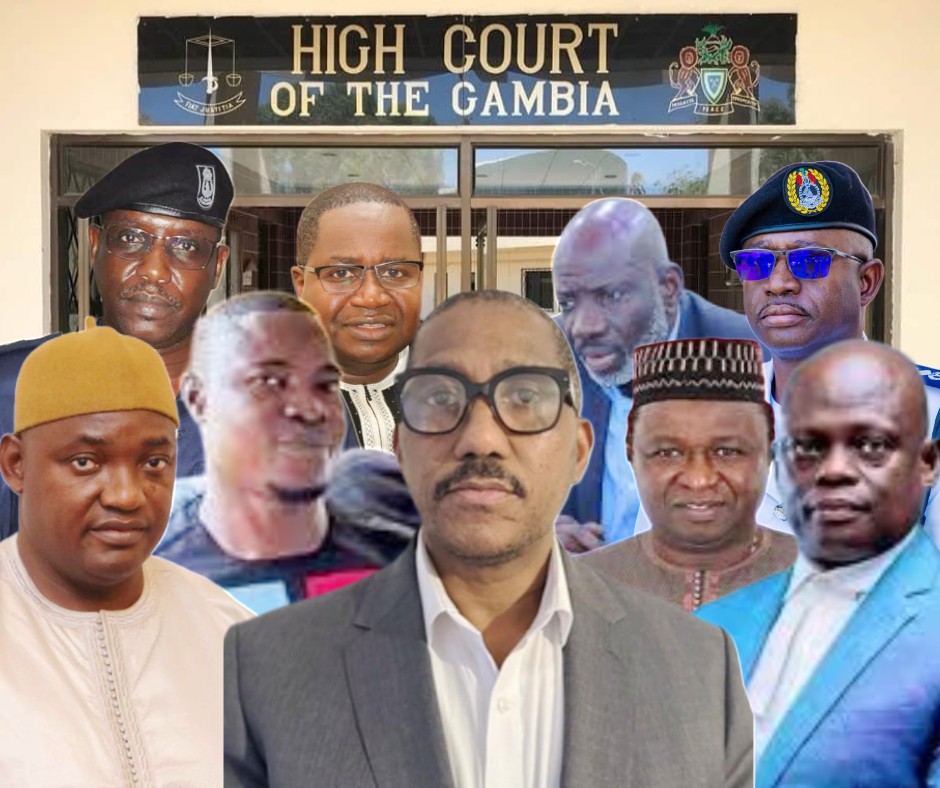
On Thursday evening’s episode of “The Viewpoint” on AG Radio, Bun Dawda, shared his perspectives and provided an in-depth analysis of the court’s acquittal of Ousainou Bojang.
According to Bun Dawda, the outcome of the case reflected the direction the court proceedings had taken. He stated that, in his view, Ousainou Bojang was innocent and that responsibility lay with the state. He drew comparisons with political developments in Senegal, alleging that similar tactics were used to suppress opposition movements, and this approach was replicated in The Gambia as a pretext to target the United Democratic Party (UDP).
Bun Dawda further argued that Adama Barrow should never be given a third term in office. He suggested that fears about post-presidential accountability, particularly concerning alleged corruption within his government, may be influencing political decisions. He also claimed that following the ruling party’s loss in the 2023 local government elections, a strategy was devised to implicate Ousainou Bojang and link the matter to the UDP in order to justify potential political action against the party.
Bun Dawda commended Hon. Justice Ebrima Jaiteh and Lawyer Lamin J. Darboe for their professionalism. He also credited public protests, including actions by civil society groups such as Gambians Against Looted Assets (GALA) with playing a significant role in ensuring the release of Ousainou and Amie Bojang following their re-arrest, emphasising the power of collective public pressure.
Meanwhile, President Barrow has expressed dissatisfaction with the court’s decision. However, it is important to recognise that when leaders publicly challenge judicial rulings, the implications can extend far beyond a single case. While such scrutiny may promote transparency, persistent criticism from the executive risks eroding public confidence in the judiciary. Citizens may begin to question whether justice is impartial or influenced by political considerations.
This perception can weaken the rule of law, diminish respect for legal institutions, and deepen societal divisions. In more extreme cases, it may even encourage disregard for court decisions. Ultimately, when trust in the judiciary declines, the stability of democratic governance is put at risk, making it increasingly difficult to uphold accountability, fairness, and justice for all.