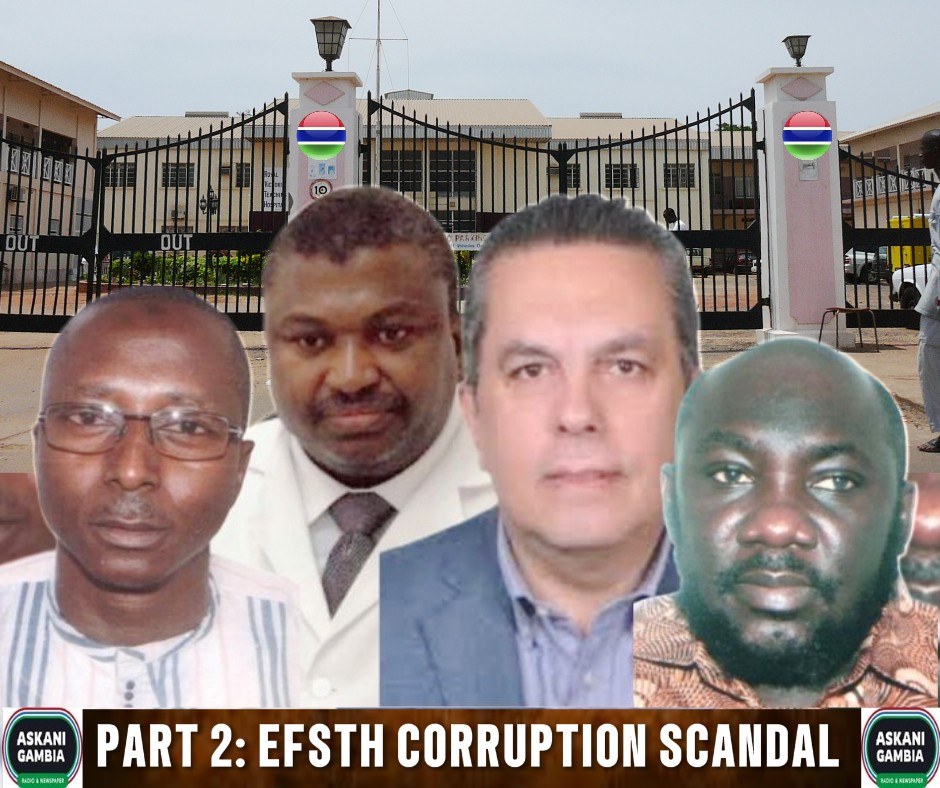
How EFSTH Paid Drivers and Typists for Saving Lives They Never Touched.
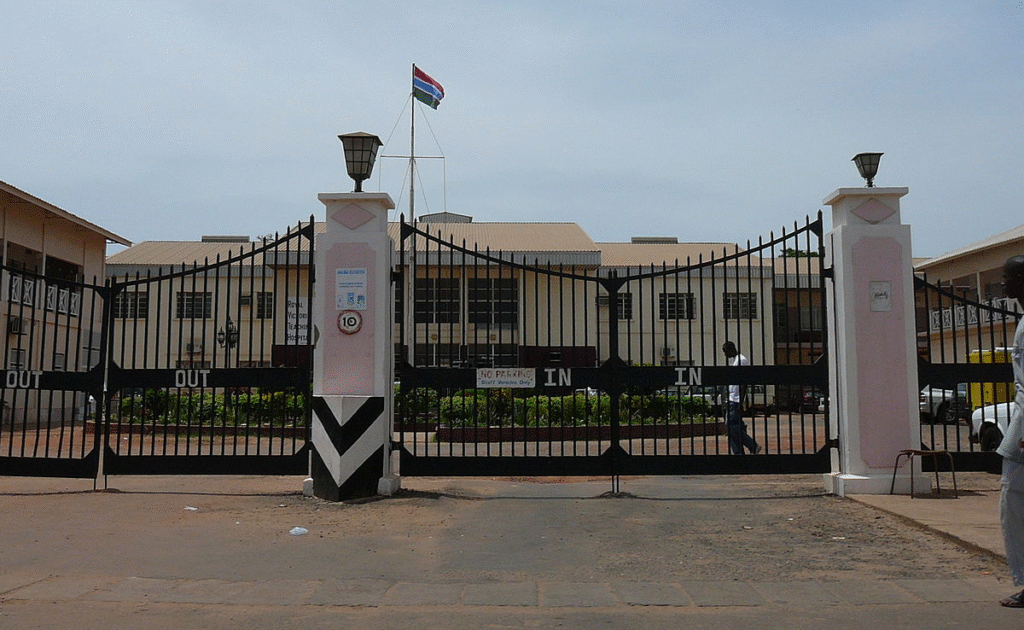
At midnight in The Gambia’s only teaching hospital, nurses rush between wards, oxygen runs low, and interns hold patients’ hands through the night.
Those sleepless hours are what “Call Allowances” are meant to reward, a token of gratitude for absolute emergency duty.
But at Edward Francis Small Teaching Hospital (EFSTH), that sacred allowance became daylight robbery.
What the Auditors Found
Between January 2022 and December 2023, EFSTH paid out a total of D 1,805,500 in Call Allowances to people who never lifted a stethoscope.
Payroll vouchers list the same justification for dozens of names, but the job titles tell a different story.
Among those rewarded for “emergency medical duty” were:
• Nyima Jatta — Senior Procurement Officer — D 120,000
• Kaddy Faal — Senior Accounts Clerk — D 75,000
• Sulayman Jatta — Driver — D 60,000
• Alhagie Camara — Messenger — D 45,000
• Abdoulie Sanyang — Records Clerk — D 40,000
• Isatou Darboe — Secretary — D 35,000
(complete list in NAO Finding 3.1, pp. 8-12)
None of these employees appears on the hospital’s medical roster system.
The audit team compared rosters with payment schedules and confirmed that most recipients worked office hours only.
“A total of GMD 1,805,500 was paid as Call Allowance to non-medical staff without supporting duty rosters or authorised approval.”
How the Scheme Worked
- The CMD (Dr MHD Ammar Al Jafari) approved the monthly “Call Allowance” lists compiled by the Human Resources unit.
- Finance Director Lamin Ceesay processed payments without cross-checking rosters or ministerial authorisation.
- Procurement Officer Nyima Jatta and other administrative staff were included in the list and signed for cash each month.
Auditors found no board approval, no endorsement from a medical supervisor, and no supporting attendance sheets.
It was a simple loop of paper and silence.
What the Law Says
• Public Finance Act 2014 §§ 43 & 46: requires public officers to ensure proper authorisation and accounting for funds.
• Public Procurement Act 2022 § 52: forbids any officer from benefiting from payments they approve.
• 1997 Constitution § 222: demands public officers act with integrity and impartiality.
Each signature on those vouchers broke all three.
The Cost of False Duty
The misuse of D 1,805,500 could have purchased:
• Two ambulances for rural referrals
• A year’s supply of insulin for diabetic patients
• Scholarships for 30 nursing students to strengthen the next generation of health workers
Instead, it went to clerks, drivers, and messengers for “emergency calls” that they never answered.
A System Without Fear
When auditors confronted management, there was no denial; only excuses were offered.
Some said “staff worked late,” others claimed it was “motivation.”
But the report was clear: no policy, no approval, no proof.
The People’s Questions for FPAC & the Ministry of Health
- Will the Ministry recover the D 1,805,500 from all beneficiaries named in Finding 3.1?
- Will the Public Service Commission discipline the Finance Director and Procurement Officer?
- Will the Anti-Corruption Commission treat this as theft of public funds or “administrative error”?
- Why has the Parliament remained silent since the report was submitted in April 2024?
The People’s Verdict
A driver paid as a doctor is not just fraud; it is a mockery of the profession.
Every false signature on those vouchers represents a patient who waited for care that never came.
Until EFSTH repays the people and cleans its books, the nation’s largest hospital will remain its largest crime scene.
By Jallow Modou, Washington D.C.
Financial Analyst | Making the Audit Speak for the People