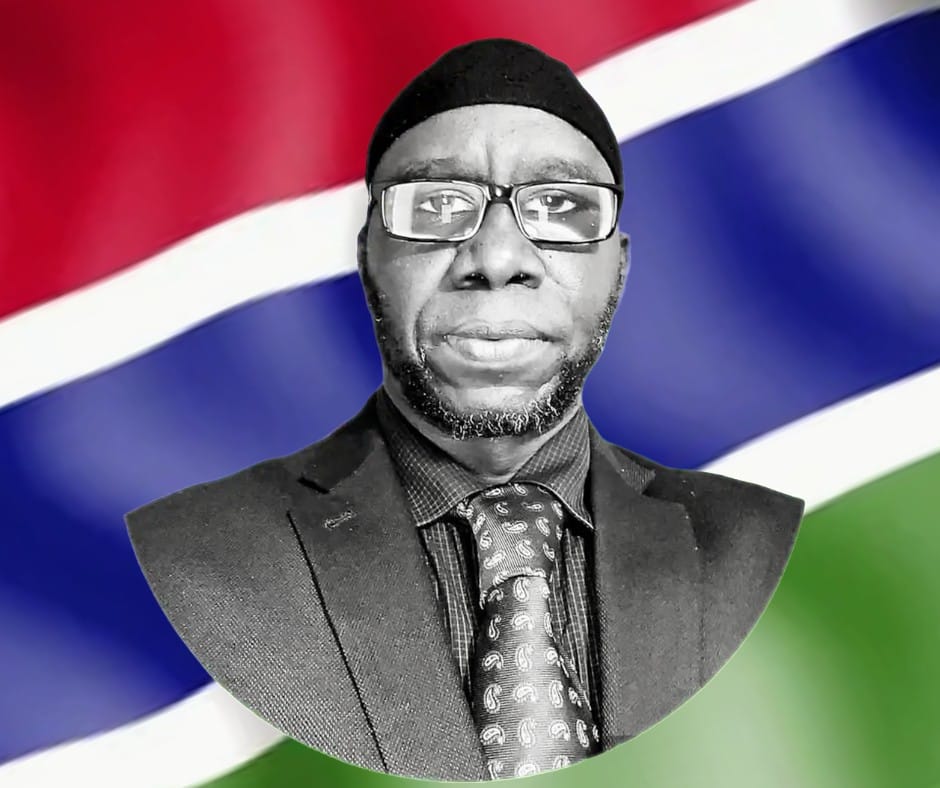
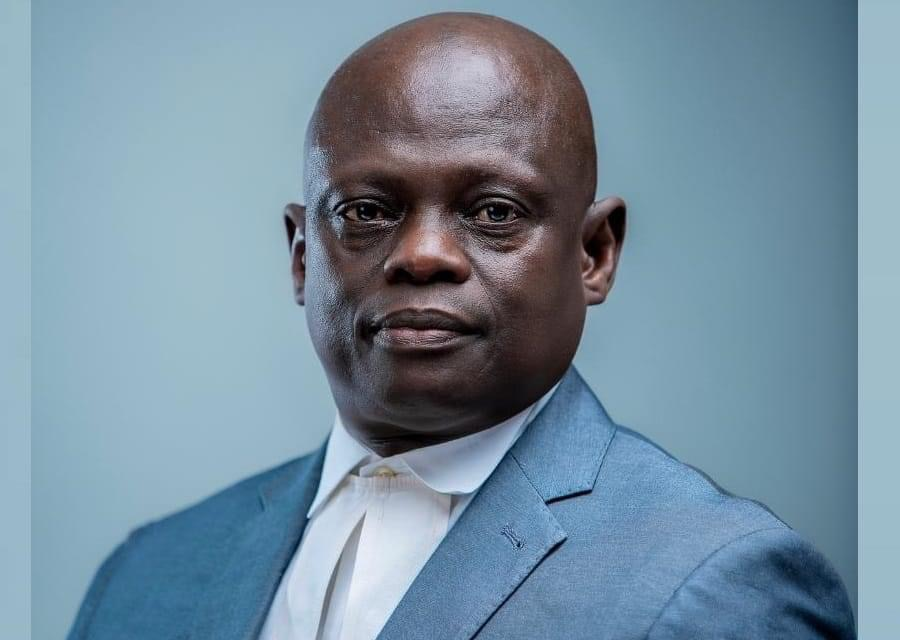
Lawyer Lamin J. Darboe, leader and secretary general of the National Unity Party and lead counsel in the high-profile Ousainou Bojang trial, has said he will not comply with any police invitation as speculation mounts that authorities may seek to question him over remarks he made following the acquittal of Ousainou Bojang and Amie Bojang.
Speaking in an interview with Kerr Fatou, Darboe made it clear that he is unwilling to voluntarily present himself to law enforcement. Instead, he stated that he would only respond if formally arrested.
“They will have to come and arrest me. I am not going to the police on invitation. When they arrest me, that is when I will go. It is not a big deal; I am ready for that,” Darboe said, signaling a firm stance that could further escalate tensions between him and the authorities.
The senior lawyer also used the interview to criticize the government’s handling of events following the acquittal of the Bojang siblings. He accused law enforcement officials of disregarding court orders, particularly in relation to the reported rearrest of the accused shortly after their release.
Darboe argued that such actions undermine the rule of law and would have serious consequences in other jurisdictions. “If this were a different country, the Inspector General of Police would have spent the night in a police cell for allowing officers to rearrest the accused and take them to police headquarters,” he said.
He further stressed that accountability should not stop at lower-ranking officers but should extend to the highest levels of government. According to him, officials such as the Minister of Interior and the Attorney General must also bear responsibility for any actions that contravene judicial decisions.
In his remarks, Darboe suggested that the conduct of some officials may have been driven by motives other than the enforcement of the law. He alleged that certain actions were taken to satisfy perceived expectations from higher authorities rather than to uphold legal principles.
“They violated a court order, which amounts to contempt. There should be proceedings against them, and they should be punished. But they act based on their positions—whether or not they are instructed, they do it to please someone,” he said.
Beyond criticism, Darboe called for broader institutional reforms, emphasizing the importance of safeguarding the independence of the judiciary and other key state institutions. He warned against political interference in ongoing legal matters, noting that such practices erode public confidence in the justice system.
“We should strengthen independent systems in this country. They should not have been involved in a case that is already before the courts,” he added.
Meanwhile, the situation has drawn attention from civil society groups. Gambians Against Looted Assets, which recently organized street protests in response to the rearrest of the Bojang siblings, has issued a warning that any attempt to detain Darboe could spark nationwide demonstrations.
The unfolding developments suggest a potentially volatile standoff, as legal, political, and public pressures continue to build around the case and its aftermath.