
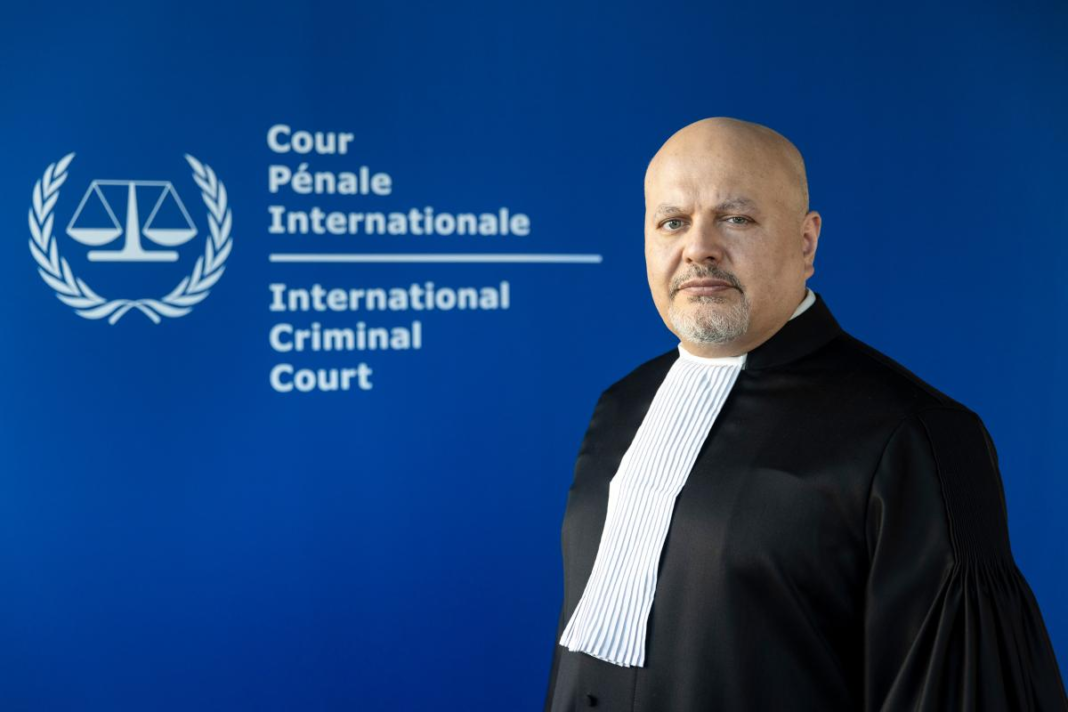
Member states of the International Criminal Court have voted to remove Chief Prosecutor Karim Khan from office following allegations of sexual misconduct, marking the first dismissal of a prosecutor in the court’s history.
The decision was taken on Friday during a special session of the ICC’s Assembly of States Parties at United Nations headquarters in New York. Eighty-two of the court’s 125 member states voted in favour of Khan’s removal, while 13 opposed the decision and 11 abstained.
Päivi Kaukoranta, president of the Assembly of States Parties, announced that the majority had determined that Khan committed serious misconduct and a serious breach of duty, warranting his removal under the Rome Statute.
Khan, a British lawyer who became ICC prosecutor in 2021, has consistently denied all allegations against him.
His legal team condemned the decision and promised to challenge it through every available legal mechanism.
Tayab Ali, a partner at Bindmans LLP and head of Khan’s legal team, argued that the Assembly had ignored serious concerns about procedural fairness. He maintained that there had been no lawful or properly reasoned finding establishing misconduct against Khan.
According to Ali, a yearlong investigation conducted by the United Nations Office of Internal Oversight Services produced 137 findings, none of which expressly concluded that Khan had committed misconduct.
He said an independent panel of three senior international judges later examined the investigation and supporting evidence. The panel reportedly concluded unanimously on March 9 that the evidence did not establish misconduct or a breach of duty under the applicable legal framework.
Khan’s lawyers accused the executive Bureau of the ICC’s governing body of making a politically influenced recommendation. They also claimed that Khan and his representatives were prevented from addressing member states before the vote and that the procedure governing the disciplinary process was changed during the case.
“Khan’s removal was determined by a process in which he was never given a fair opportunity to be heard,” Ali said.
The allegations were made by a junior female ICC lawyer who accused Khan of engaging in inappropriate and non-consensual sexual conduct. The ICC’s executive Bureau concluded that Khan had engaged in an inappropriate relationship with the staff member and recommended his dismissal. Khan denies having had any sexual relationship with her.
Khan had been absent from his duties since May 2025 while the investigation and disciplinary proceedings continued. The court’s two deputy prosecutors have managed the Office of the Prosecutor during that period and will remain in charge until a successor is appointed.
His removal will not invalidate existing ICC investigations or arrest warrants. Only the court’s judges have the authority to withdraw or amend warrants already issued.
During Khan’s tenure, the ICC issued arrest warrants for several prominent figures, including Russian President Vladimir Putin, Israeli Prime Minister Benjamin Netanyahu, former Israeli defence minister Yoav Gallant and Hamas military commander Mohammed Deif.
The warrants against Netanyahu and Gallant prompted strong opposition from Israel and the United States. Washington, which is not an ICC member, subsequently imposed sanctions on Khan and several other court officials.
Following Friday’s vote, US State Department spokesperson Tommy Pigott welcomed Khan’s departure but said it would not change the Trump administration’s campaign against the court.
Member states are now expected to begin the process of selecting a new chief prosecutor, although the election may not be completed until 2027.