Gambian fishermen are seeing the vanishing of their future. Their boats are becoming more and more inactive, their catches are decreasing, and their expenses are mounting. Nowadays, a large portion of the fish they used to rely on are taken away by foreign trawlers to fatten farmed salmon, seabream, and seabass in Europe rather than to feed people.
As a result, coastal populations in West Africa, where fish is a basic meal and a way of life, are facing an increasingly dire situation.
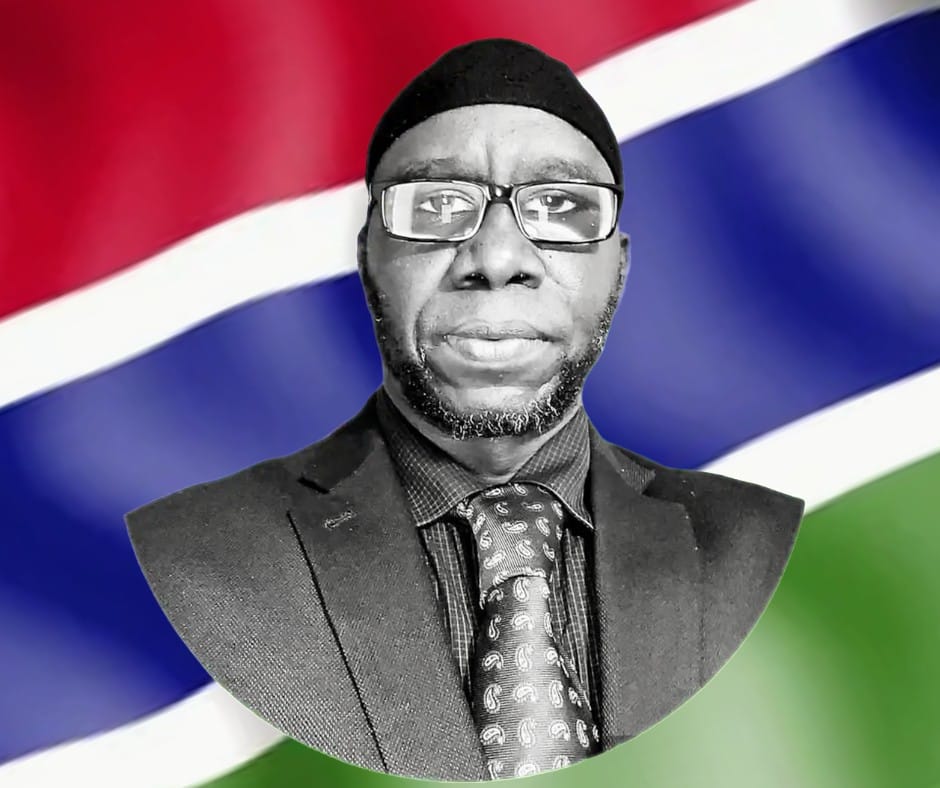
During this week’s UN Oceans Conference in Nice, Gambian researcher and journalist Mustapha Manneh told RFI, “The ocean is not just about livelihood – it’s part of people’s identity.”
Manneh has spent years recording the depletion of Gambia’s seas and the instability of life caused by industrial fishing, much of which is European.
He remarked, “Fishermen go out and return with nearly nothing.” “They don’t have any other abilities. The fish’s future is lost if they are taken away.
Feeding fish instead of humans
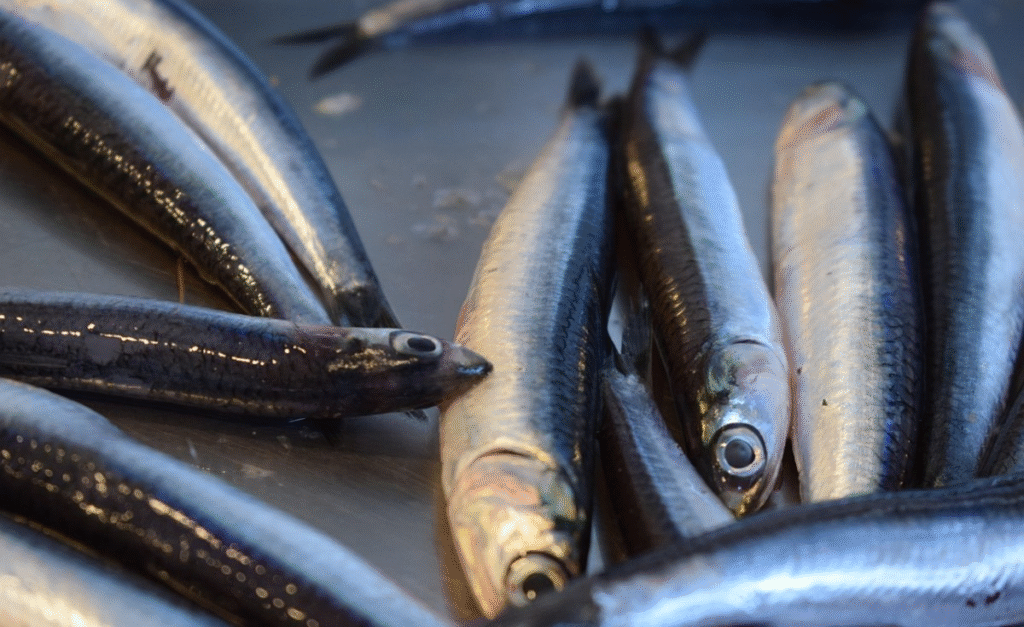
Gambian fishermen set out their nets every day to catch bonga and sardines, which are tiny, greasy fish that have been a staple in Gambian families’ diets for many centuries. After being compelled to go farther out to sea and use more fuel for ever-dwindling catches, they now return empty-handed.
In the past, a good catch might be obtained using just 20 liters of gasoline. Finding enough fish now requires 60 to 80 liters,” Manneh stated.
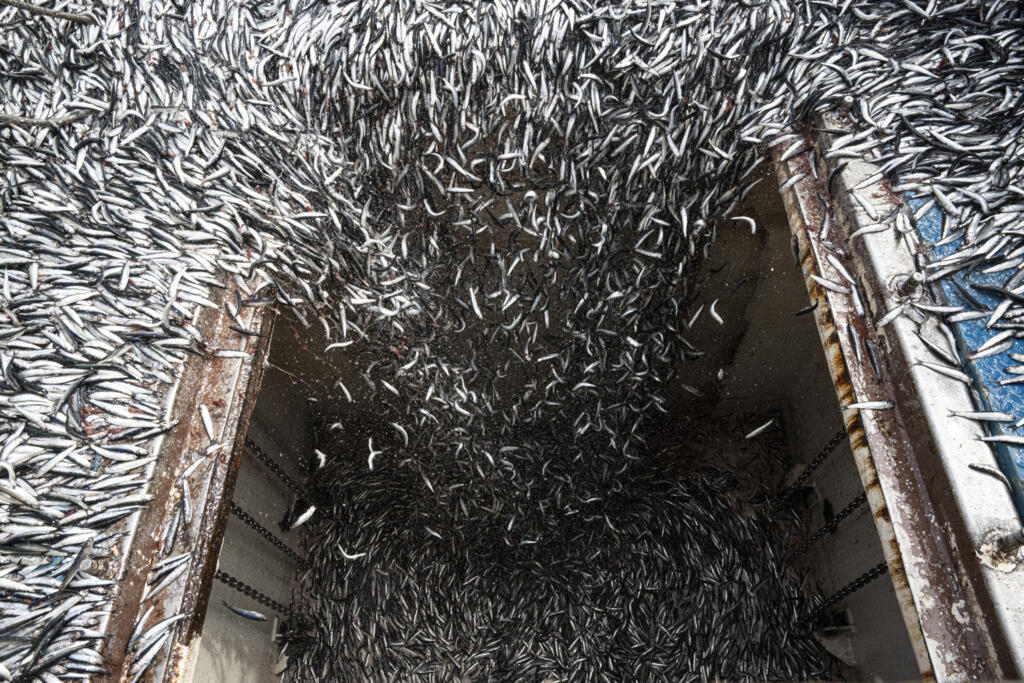
Hundreds of tons of these fish are processed daily by three fishmeal companies in the Gambia, which turn them into oil and powder that is used to feed fish raised in China and Europe.
Manneh has direct experience with the procedure. He saw fresh, edible fish that was still suitable for local markets being thrown into grinding machines inside the plants to be turned into fish feed. He said it was a very confronting experience.
Locals frequently complain about noise, pollution, and a strong stink outside the plants.
Manneh stated, “The most concerning thing is witnessing fresh fish that should be on locals’ plates being processed and sent to countries that don’t even know where it’s coming from.”
“To feed another fish, you’re processing raw fish that should be consumed by humans.”
Depleted resources
According to a report by the advocacy group FoodRise, the same catch that is currently diverted to fish farms in Greece alone could provide a weekly 200-gram ration of fish for almost a million people in west and southern Africa.
Because farmed fish are inefficient at turning fishmeal into body mass, it frequently takes several kilograms of wild fish to generate one kilogram of farmed fish.
FoodRise discovered that more than 300,000 tons of wild fish could be preserved in the ocean to support ecosystems worldwide if people consumed them directly rather than feeding them to farmed fish.
A quarter more people would then be fed by those additional fish stocks.
A coastal poisoning
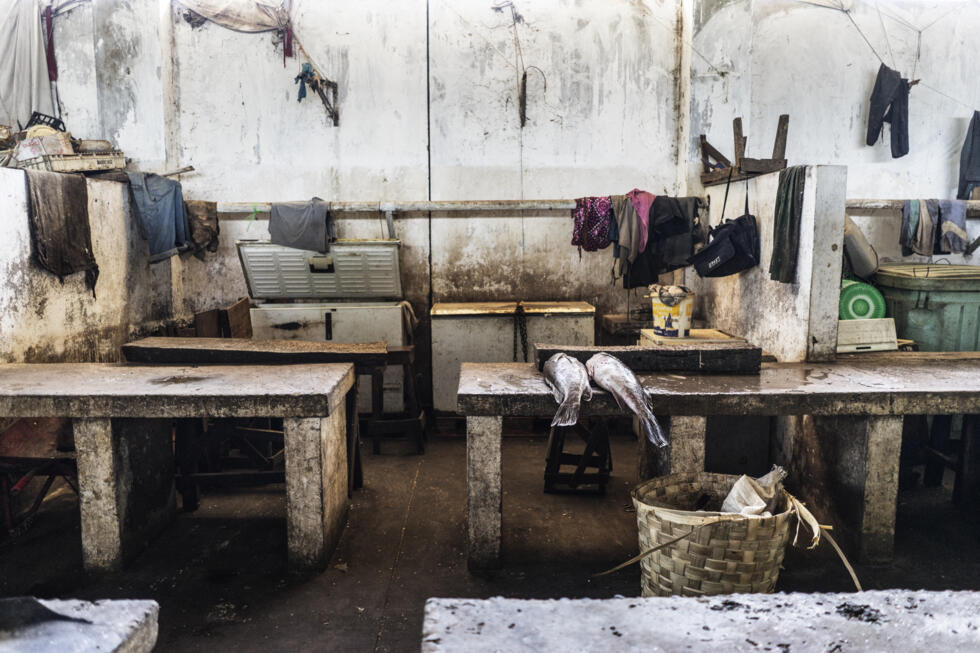
Gambia’s fishmeal industries discharge raw effluent and garbage from fish processing straight into the Atlantic Ocean. Once-pristine coastal waters have become poisonous due to pollution, harming marine ecosystems that local fishermen rely on.
“The sea was used to cure skin ailments.” People are now developing rashes. According to Manneh, even the fish porters are impacted.
However, pollution is just one of several threats. Fishermen are forced to go farther offshore due to the declining local fish populations, which puts them at risk of running into industrial trawlers.
These conflicts frequently result in the loss or destruction of their boats and nets, equipment they cannot afford to repair. Some people quit fishing completely because they find the challenge to be too difficult.
Fishermen are compelled to smuggle
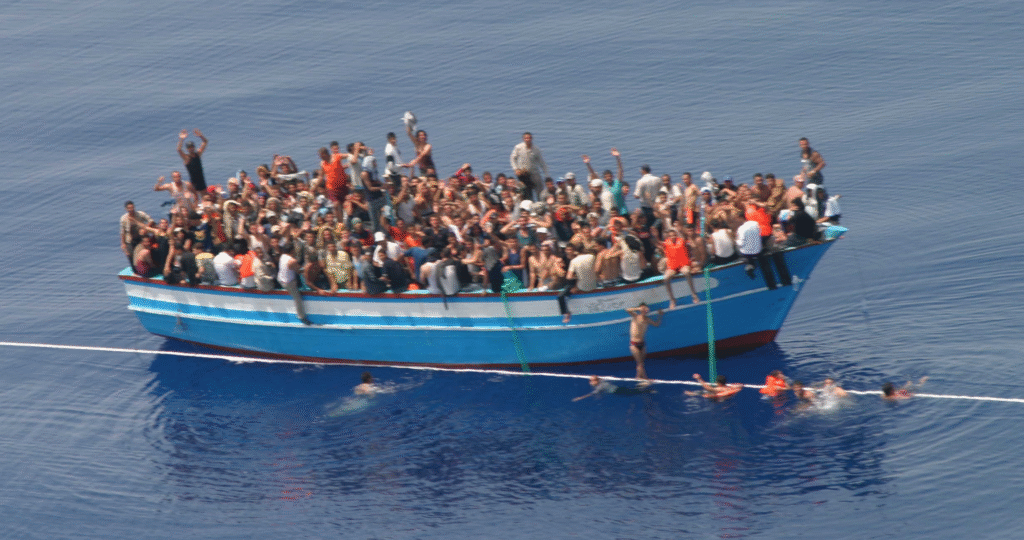
A growing number of fishermen are turning to the dangerous but lucrative activity of human smuggling on their boats as fishing earnings plummet.
According to teenage fishermen Manneh has interviewed, a single smuggling expedition can generate more revenue than years of arduous seafaring.
“Mustapha, my one trip is more than my entire life of fishing,” one man said to him.
Hundreds of migrants, primarily young men risking everything for a better life, are crammed into weathered wooden fishing boats and setting off on a treacherous trek across the Atlantic toward uncertain futures.
According to Manneh, migrants pay between €600 and €1,000 for the journey, and a single vessel may accommodate more than 200 passengers.
This implies that a single smuggling operation can bring in about €200,000.
Women disregarded
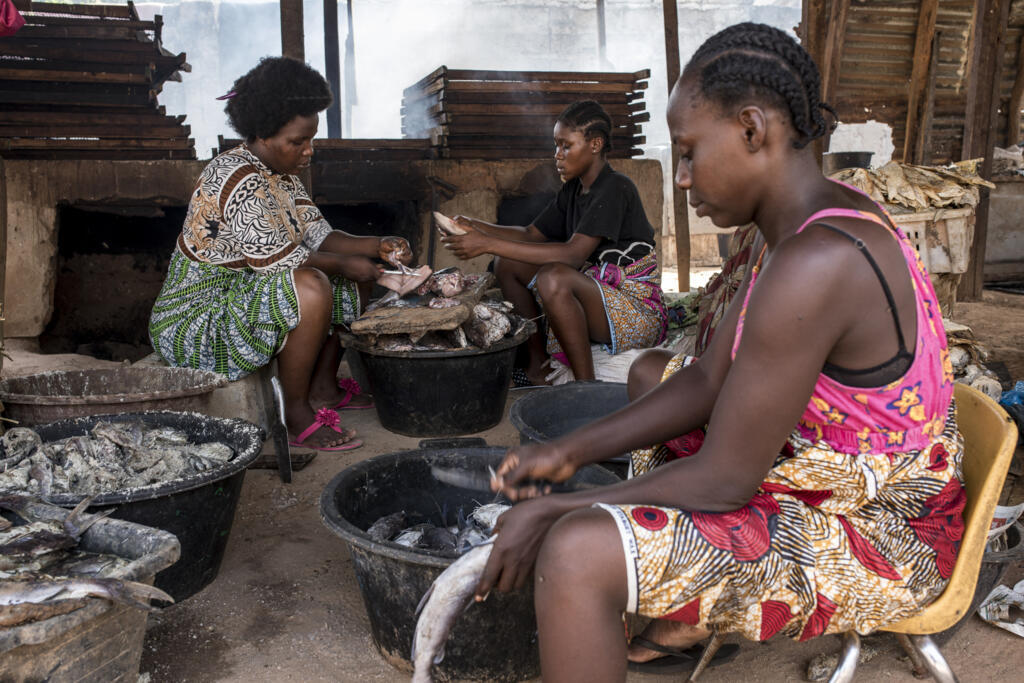
Women are also being severely impacted by the situation. Fish processing in West Africa is primarily done by women, who smoke, dry, and sell the fish at local markets. Food on tables and money in pockets are the results of this hard, practical labor.
But women’s stalls and ovens are empty as more and more fish are sent to industrial fishmeal plants. Losing this catch disrupts long-standing customs in addition to costing jobs.
Centers for smoking fish that were constructed with the Food and Agriculture Organization’s assistance are now deserted.
“The factories that produce fishmeal now use the fish that women used to smoke,” Manneh stated. “They [commercial businesses] advertise that their farmed fish are sustainable, but they never disclose the source of the feed.”
Many women are now unemployed due to the growth of fishmeal plants, which has made life even more difficult for coastal communities.
Communities resist
However, resistance is also being fueled by the pressure. The established power structures that have let the fishing sector to grow uncontrolled are currently being challenged by young Gambians.
According to Manneh, “young people are demanding change.”
Frustration has bubbled over in some instances, leading to the burning of fishmeal mills. Others are demanding that Gambia revoke its EU fisheries deal.
“It does nothing for the country as a whole, but it may line the pockets of a select few,” Manneh stated.
“Time for openness”
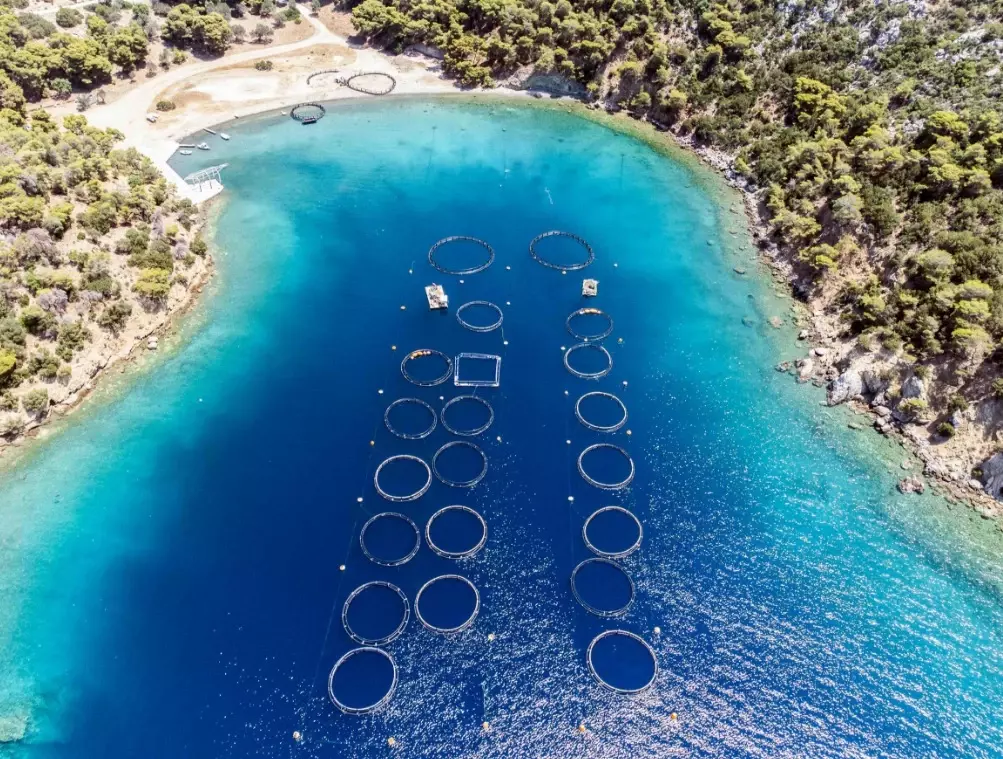
In recent decades, the EU has seen a boom in fish farming, particularly in Greece, transforming sleepy Mediterranean coastal towns into centers of large-scale aquaculture.
Greece has seen a 141% growth in seabass and seabream output since 2000, according to FoodRise.
However, given that it relies on wild fish harvested from populations thousands of kilometers away, such as those in Gambia, which are already experiencing food poverty, the group cautions that this increase is far from the sustainable answer that it is frequently portrayed as.
Manneh stated, “People think they’re eating sustainable seabass or salmon.” “However, they are unaware of the true cost.”
He is demanding complete openness in the world’s seafood supply chains, paying particular attention to where fish feed comes from.
Manneh remarked, “You stole my future if you stole my job.” “I have no choice but to struggle, even if it means losing my life.”