In 2027, the Gambian government is expected to spend D16.17 billion on debt servicing, tying up a large share of public resources in loan repayments at a time when the country is facing increasing demands for investment in basic services.
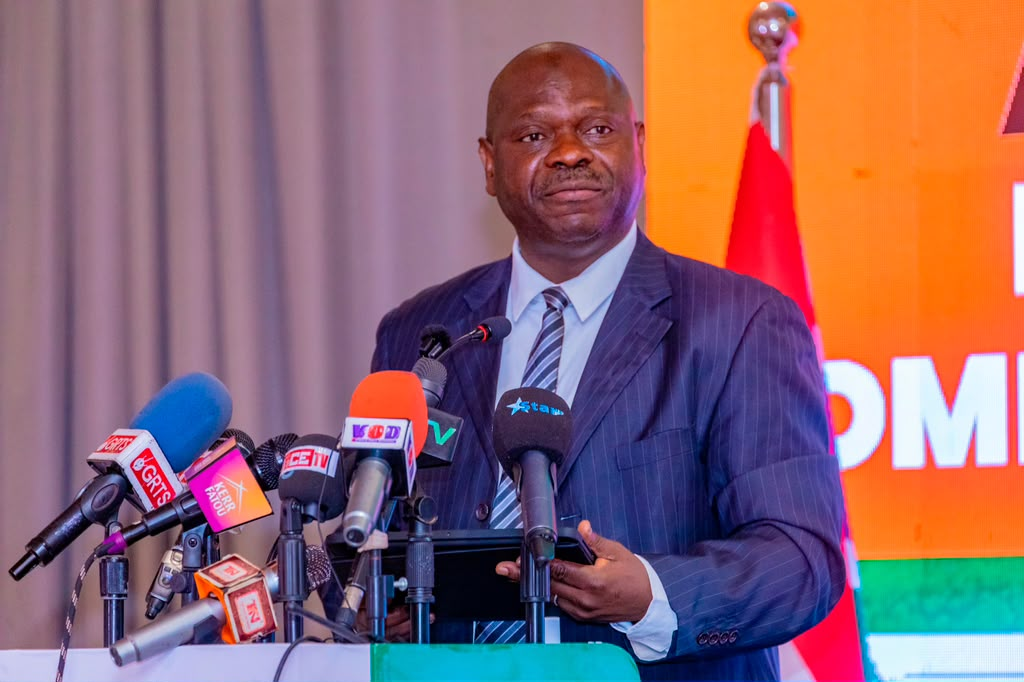
Debt servicing tops the government’s spending agenda in the proposed allocation detailed in the 2027 Appropriation Bill submitted to the National Assembly by Finance and Economic Affairs Minister Seedy Keita on Friday, October 23.
The bill forecasts a 13.1 per cent increase in total government spending to D59.24 billion. against the approved 2026 budget. Revenue and Grants are projected at D56.93 billion.
The scale of the debt burden is particularly striking. Debt servicing is expected to take up 33.28 per cent of Government Local Funds (GLF) expenditure and 37.2 per cent of recurrent spending. In other words, more than a third of the government’s recurrent budget will go towards meeting existing debt obligations.
The proposed allocation also exceeds the combined budgets of the ministries of health and basic and secondary education, highlighting the difficult choices the government faces in preparing its spending plans for the coming year.
The figures have sparked concern about the increasing pressure that debt repayments are putting on the country’s finances, although the budget is still to be examined and approved by parliament. The more the government spends on servicing loans, the less room it has to respond to competing demands, such as in healthcare, education and infrastructure.
The government itself recognises the challenge. In the budget document, it warns that rising debt-service costs could leave ministries and other public institutions with fewer resources to carry out their programmes.
“Debt service is expected to rise in 2027, accounting for approximately 33 percent of GLF expenditure. These pressures could further constrain fiscal space and result in reduced operating expenditures and limited resources for other priority programmes,” the bill states.
Debt repayments are not the only concern identified in the proposed spending plan. The government also points to international conflicts, climate change, unstable commodity prices and uncertainty in the global economy as potential threats to its budget projections.
The Gambia is heavily reliant on imported fuel, food and other essential goods, making it particularly vulnerable to events beyond its borders. Any substantial rise in international prices could rapidly translate into higher domestic costs, raising the strain on household and government finances.
“There are also concerns about delays in the implementation of government policies, unexpected spending needs, problems in refinancing existing debts and financial liabilities related to state-owned enterprises.
The public-sector wage bill is another area that is likely to put pressure on the budget, forecast to increase by 9.8 per cent, from D10.2 billion in 2026 to D11.2 billion in 2027. A large part of recurrent expenditure is salaries and other personnel costs. The government has little flexibility in cutting these costs in the short term.
The government believes that despite the risks, some developments could help to improve the economic situation. lower interest rates, a sharper decline in inflation and improved agricultural harvests could ease the cost of living and ease pressure on public finances.
It additionally emphasizes the need for faster structural reforms and stronger domestic revenue collection as important steps to improve the country’s economic position.
But the figures in the 2027 budget leave little doubt about the scale of the challenge. The government is expected to spend D16.17 billion on debt servicing alone and will have to balance competing priorities to ensure that essential public services do not suffer from lack of funding.
For many Gambians the worry will be if what is left will be enough for the country’s development needs and to raise living standards.
The battle over the 2027 budget is about more than the level of government spending. It also poses questions about the country’s mounting debt obligations, the cost of borrowing and how far public spending can deliver tangible benefits to the population.