Any time a government builds a school, hospital, road, or any other public facility, it is furthering the fundamental rights of citizens and fulfilling its constitutional obligation. The more public infrastructure that exists, the more choices, opportunities, and conveniences citizens have in pursuing their wellbeing, livelihoods, and development.
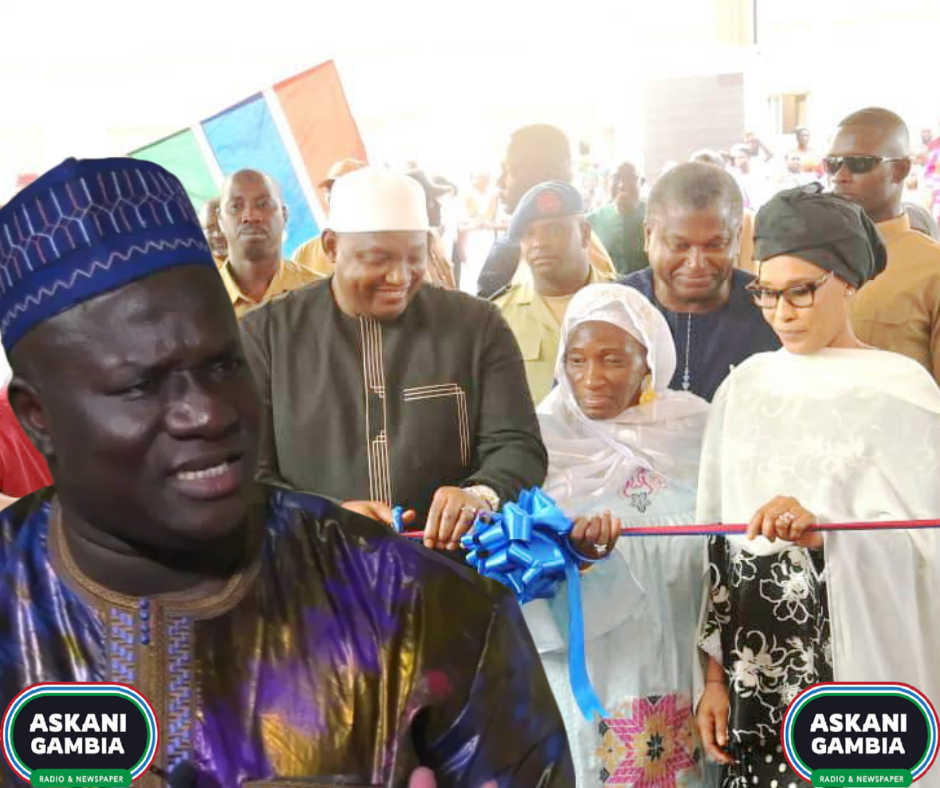
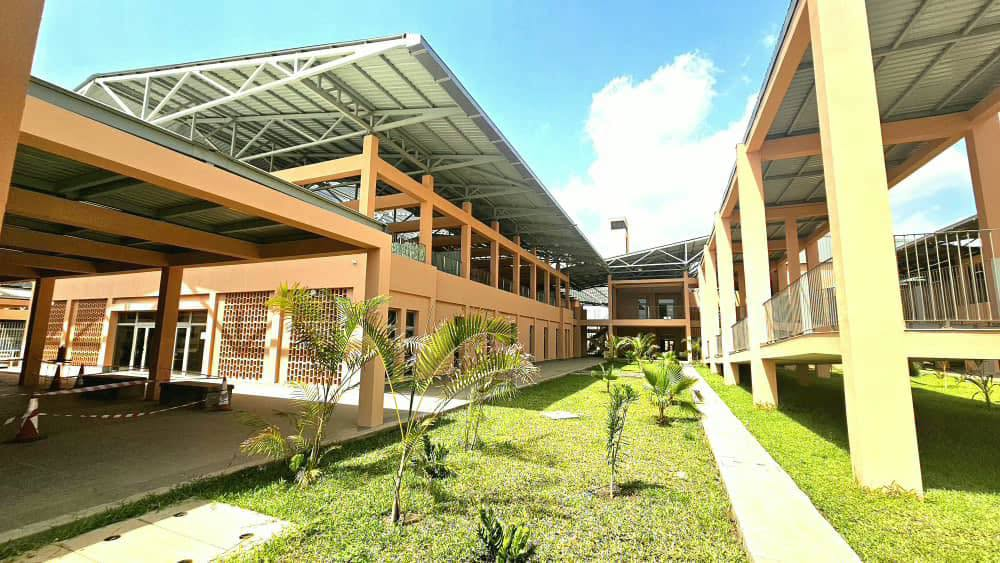
In this regard, I welcome the construction and commissioning of the new National Emergency Treatment Centre and Biomedical Engineering Unit in Farato. I commend Pres. Barrow for the foresight and investment that made it possible.
While I congratulate the government for this achievement, it is also important to remember that this facility joins a long list of public infrastructure built by previous governments. Likewise, successive governments will continue to build new facilities and expand existing ones for as long as the Gambia remains a republic in which citizens elect governments to serve them.
It is therefore necessary to offer the President a sober reflection on some fundamental issues.
First, whatever infrastructure his government builds and operates is not an act of charity. It is the duty of government. While we celebrate these achievements, we must not lose sight of the fact that many similar facilities came before Farato, and many more will come after it. The real question is not simply how many facilities are built, but whether they have fundamentally improved the socioeconomic wellbeing of the people they are intended to serve.
After 61 years of independence, has the wellbeing of Gambians been firmly secured?
Schools continue to be built, yet universal literacy remains unattained, while access to higher education remains beyond the reach of many citizens. Hospitals have been constructed, yet morbidity and mortality across key health indicators remain high, and many critical medical services are either unavailable or unaffordable. The cost of both education and healthcare continues to rise.
Road infrastructure has expanded, yet the country still suffers from inadequate road networks, poor construction standards, insufficient street lighting, inadequate drainage systems, missing road markings, limited traffic signs, and no functioning traffic lights despite billions of dalasi invested in the sector.
The same applies to energy. Over the past ten years alone, billions have been invested, yet uninterrupted 24-hour electricity supply across the country remains elusive. Agriculture, sports, security, transportation, and many other sectors tell a similar story: billions are spent, yet quality infrastructure and efficient service delivery remain inadequate.
What all this ultimately means is that the country has accumulated deeper public debt without generating commensurate opportunities for citizens, allowing poverty to persist year after year.
Therefore, as we celebrate the opening of the Farato facility, I urge Pres. Barrow to take a sober reflection on the broader state of affairs.
With all the laudable objectives and specialized services that this facility is expected to provide, will it consistently deliver efficient, sustainable, and high-quality healthcare? Will there be affordable and accessible medicines, modern equipment, qualified personnel, and adequate maintenance to improve health outcomes?
Will this facility significantly reduce the need for Gambians to travel to Senegal, Turkey, India, Europe, or America in search of medical treatment? More importantly, will it be sufficiently equipped for the President, his family, ministers, senior public officials, and ordinary Gambians alike to rely on it without seeking healthcare abroad?
These are the questions that should now occupy the President’s attention. His responsibility does not end with commissioning a modern building. It extends to ensuring that the Minister of Health and all relevant public officials guarantee that this facility delivers exactly what it was built to deliver.
Otherwise, Farato risks becoming another addition to the long list of facilities that were once celebrated as state-of-the-art, the best in the country or even Africa, and the solution to longstanding problems, only to become underutilized, understaffed, under-resourced, poorly maintained, and ultimately unable to transform people’s lives.
As a Gambian, I have witnessed this pattern repeatedly. Every new public facility is inaugurated with grand promises and glowing descriptions. Yet, only a few years later, it struggles with inadequate staffing, insufficient funding, poor maintenance, failing equipment, and declining service quality.
Will Farato suffer the same fate?
The Gambia certainly needs many more facilities like Farato across the country. Enormous public resources have been invested in this project, and understandably, public expectations are equally high. I sincerely hope the President will heed these concerns and ensure that this facility becomes an exception rather than another example of a familiar cycle.
While I congratulate Pres. Barrow for this important investment, I also remind him that he is not doing anyone a favour. He is fulfilling the duty entrusted to him by the Gambian people. Therefore, embedded within my congratulations is an equally strong demand for accountability, because accountability is the defining relationship between a citizen and a president.
For The Gambia, Our Homeland