The Independent Electoral Commission (IEC) says it is taking steps to reduce delays in announcing election results, with lessons from previous polls informing preparations for the December 5 presidential election.
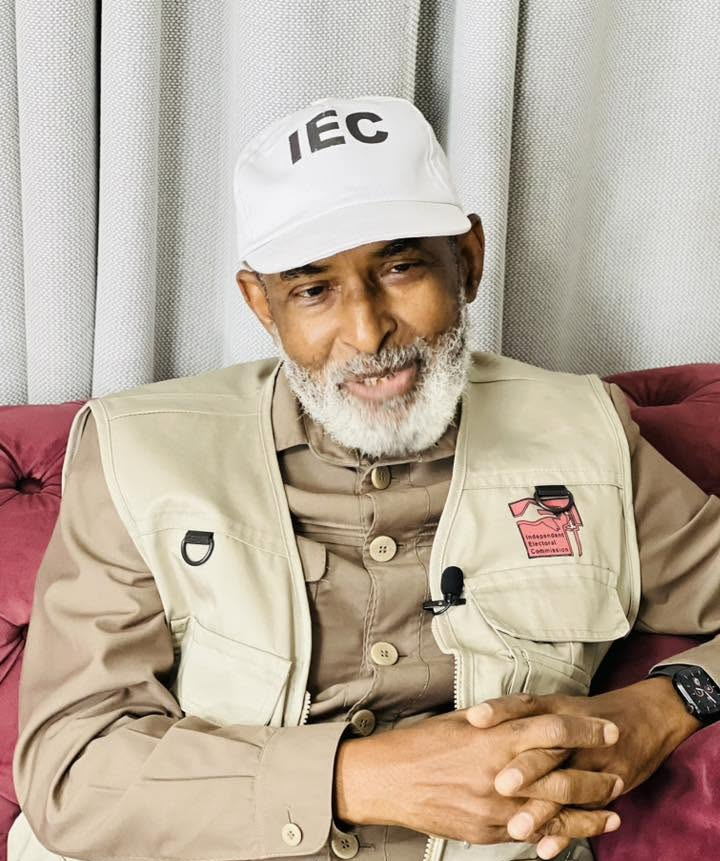
IEC Vice Chairman Cherno Jallow said the commission recognizes that prolonged waits for results can create uncertainty, fuel speculation and undermine public confidence in the electoral process.
“Nobody will stop us from doing our job,” Jallow said in an interview with Askanwi, stressing that the law gives the IEC responsibility for conducting elections and declaring official results.
He said the commission was exploring measures to make the results process faster and more transparent, including the possible digitalization of parts of the system.
“We are working diligently to enhance how results are delivered and proclaimed,” he said.
Jallow acknowledged concerns raised by voters, political parties and other stakeholders over delays in previous elections. He said the IEC was examining those concerns and looking at ways to prevent lengthy gaps between the close of polling and the announcement of official results.
The issue has become particularly important ahead of the 2026 election amid debate over whether political parties should announce their own results based on figures collected by polling agents before the IEC completes its official tabulation.
Jallow said political parties are entitled to conduct their own tabulations and verify results obtained from polling stations. However, he emphasized that such figures do not constitute an official declaration.
“Political parties can collect their results, but they cannot declare the final results,” he said.
According to Jallow, the legal authority to declare presidential election results rests with the IEC chairman, who serves as the returning officer. In National Assembly elections, the responsibility rests with the relevant electoral officials, including principal registration officers and regional returning officers.
The distinction comes amid recent remarks attributed to United Democratic Party officials that the party could announce its own results before the IEC.
Jallow said political parties conducting parallel tabulations is not unusual and can serve as an important mechanism for verifying the official count. However, he warned against presenting unofficial figures as final results in ways that could confuse voters or inflame tensions.
He urged political parties and other political actors to exercise restraint, particularly in a closely contested election.
The vice chairman described political parties as important partners in the electoral process and said the IEC would continue engaging them through established communication channels.
“The commission does not need to reprimand political parties,” he said, emphasizing that the relationship should be based on partnership and cooperation.
At the same time, Jallow insisted that the IEC would not allow political pressure to interfere with its constitutional responsibilities.
“Nobody will stop us from doing our job,” he reiterated.
The IEC’s commitment to faster results comes as public expectations for timely election information continue to grow. In previous elections, delays in announcing results have contributed to speculation and competing claims, particularly when political parties release their own figures.
For the 2026 election, the challenge for the commission will therefore be not only to deliver results more quickly but also to ensure that the process is transparent enough for political parties and voters to have confidence in the official outcome.
Jallow said the IEC intends to fulfill its mandate without undue delay and in accordance with the law, while urging all stakeholders to protect the credibility and stability of the electoral process.