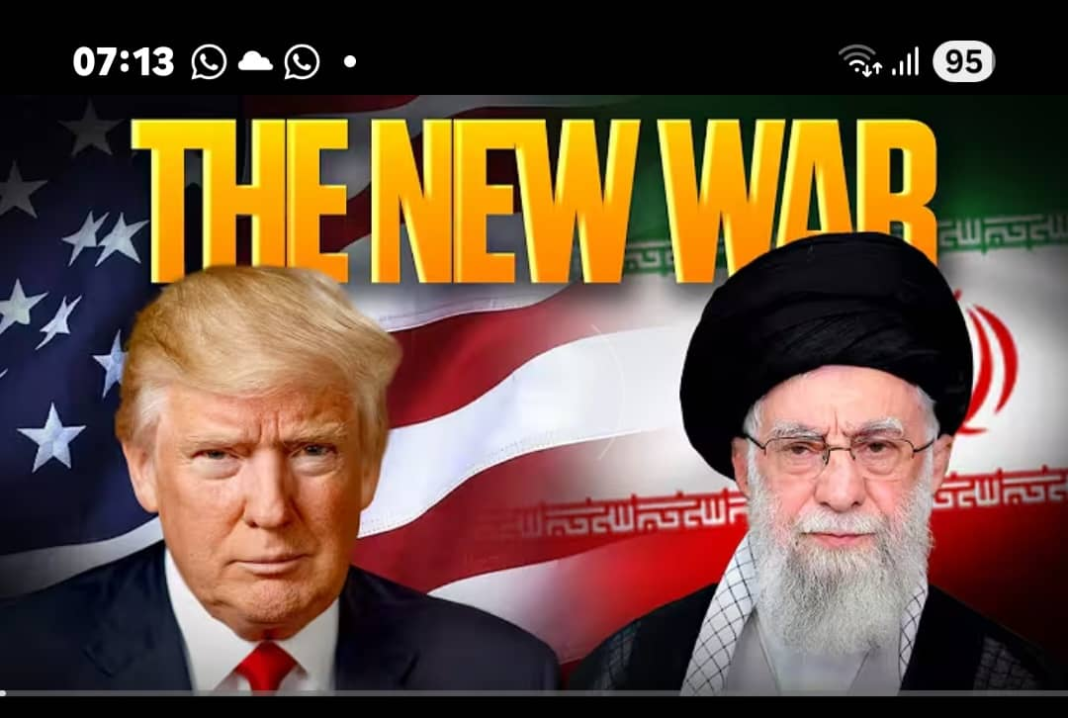
Barely hours after my article ‘Africa Must Speak Before the Missiles Do’ went to press, events have vindicated its central warning. What many analysts predicted would happen on 28 February or 1 March has arrived sooner. Israel has carried out a preemptive air strike on Iran. The narrow road of diplomacy has been overtaken by the wide highway of war.
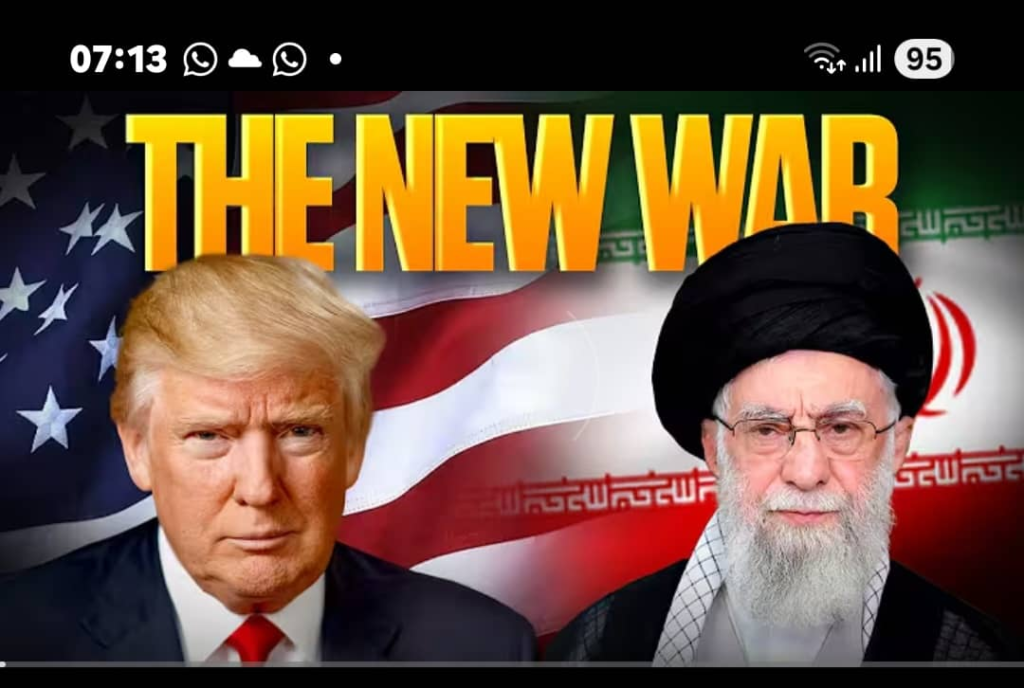
This was not an unpredictable rupture but a visible end of a countdown. In the past week alone, the signs accumulated with unsettling clarity. Carriers repositioning, embassies thinning their staff, and leaders absorbing briefings that treated negotiations as an exhausted formality. These were not the gestures of crisis management but the choreography of pre-conflict alignment. When diplomacy becomes theater and force becomes policy, the opening strike is only a matter of timing.
What has now occurred should demolish the comforting illusion that this can remain a limited exchange. A preemptive strike is not punctuation, i
but a paragraph break in regional stability. Retaliation becomes doctrine, escalation becomes habit, and miscalculation becomes fatal. Shipping lanes do not distinguish between combatants and bystanders; oil markets do not wait for ceasefires; food prices do not respect political geography. From the Gulf to the Sahel, the effects will travel faster than official statements.
This moment also exposes a failure of collective voice. Arab and non-Arab states had begun to warn of chaos. Major powers urged talks. Even reluctant intermediaries kept channels open. But Africa, whose economies are exquisitely sensitive to fuel, fertilizer, and freight costs, remained largely silent. Silence, in such moments, is not neutrality but forfeiture of influence.
The lesson is immediate and unforgiving. Prediction without prevention is only prophecy fulfilled. The purpose of foresight is not applause but action. A war launched under the banner of “preemption” carries the same old risks under the new name of regionalization, proxy activation, and a spiral in which every side claims necessity with no one claiming restraint.
Africa must now speak, not as an afterthought but as a stakeholder. The African Union should urgently convene to issue a clear call for de-escalation, press for a pause in strikes, and support mediation that separates urgent nuclear issues from broader security disputes. This is not romanticism but damage control. A coordinated African position, echoed by foreign ministers and reinforced through engagement with Arab mediators, would not end the war alone. But it would reinsert diplomacy into a conversation now dominated by aircraft and alarms.
History is unkind to wars sold as short and surgical. Iraq and Libya were introduced to the world as operations with exit ramps. But they became decades of instability. Iran’s scale ensures that the spillover will be larger still. To pretend otherwise is to bet against experience.
Yesterday, the warning was theoretical. Today, it is empirical. Missiles have answered where diplomacy hesitated. The task now is not to say “we predicted this,” but to insist that prediction must still give way to prevention. Africa’s interest is not in proving foresight but in averting fallout. The continent should add its weight to the scales of peace, now, while the first strike is still the first, and not yet the beginning of a habit.
By Lt. Colonel Samsudeen Sarr (Rtd), Former Commander, The Gambia National Army