
The outcomes of the recently concluded by-elections in Foni and Kiang are best understood as a continuation of the country’s long-standing political patterns rather than as a reliable indicator of the 2026 presidential election.
For decades, the national electoral landscape has largely been shaped by competition between incumbents and fragmented opposition forces, a structure that has consistently favoured those already in power. Since independence, no opposition grouping has successfully unseated a sitting government through a presidential election. This historical trend has entrenched the advantages of incumbency and limited genuine electoral competitiveness.
While the idea of a new, broad-based political force offers hope for changing this dynamic, the absence of a strong and united alternative means that the prevailing realities remain largely intact.
Seen in this context, the Bantanjang and Kiang by-election results should not be interpreted as a forecast of the 2026 presidential race. Instead, they reaffirm the cyclical nature of electoral outcomes, particularly in by-elections, where lower turnout, reduced voter engagement, and short-term considerations often outweigh broader national sentiment.
The victories recorded in Foni and Kiang, though narrow and limited in scope, may offer some tactical lessons ahead of the 2026 presidential and 2027 parliamentary elections. However, past experience warns against drawing sweeping conclusions. Success in by-elections has repeatedly failed to translate into decisive national victories. Economic pressures, prevailing social conditions, and low voter participation likely played a significant role in shaping these results.
For those seeking political change, the by-elections once again highlight the critical importance of unity. Without a broad and inclusive coalition, overcoming the advantages of incumbency remains highly unlikely. Previous contests have shown that a single, united alternative candidate could have secured victory. Yet persistent internal divisions and rivalries continue to undermine collective efforts.
Rather than consolidating forces around a shared objective, opposition actors remain entangled in internal disputes, weakening their overall electoral strength. Unless these divisions are resolved and a genuinely unified front is established, incumbents are likely to retain their advantage in future national elections.
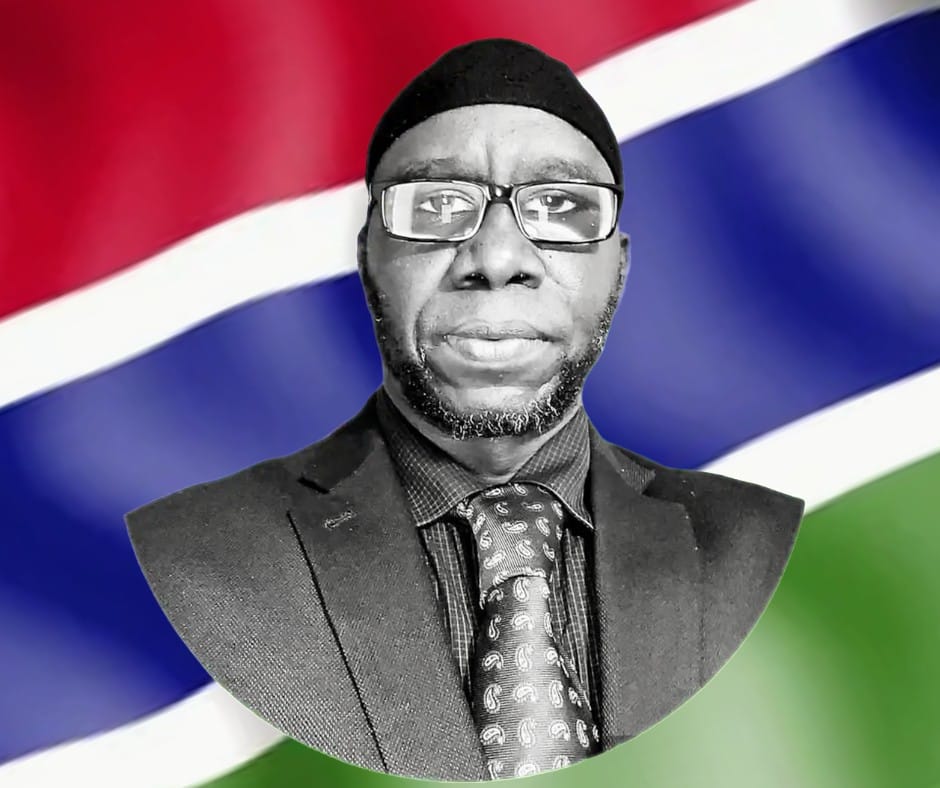
Mr Mayero Sidibeh PRO PASTEF The Gambia
Disclaimer: The newspaper provides a platform for diverse viewpoints. The views and opinions expressed by contributors, columnists, and correspondents are solely those of the authors and do not necessarily reflect the official policy or position of Askani Gambia newspaper, its editors, or its publishers.