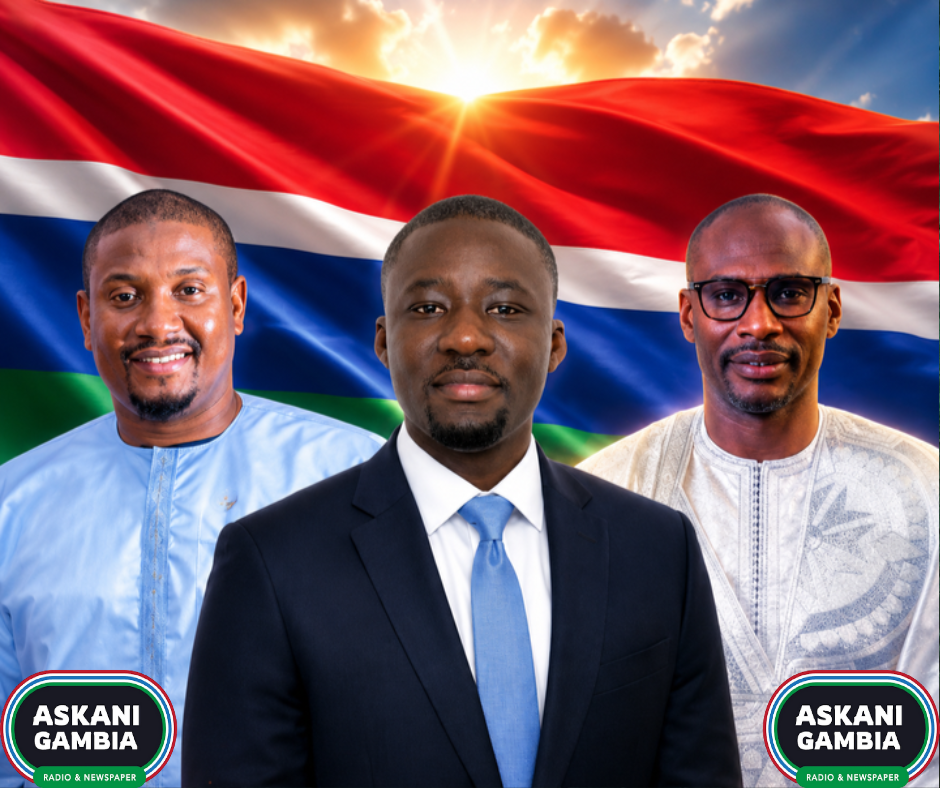
APP-Sobeya has sought to recast the debate surrounding its withdrawal from Coalition-2026, insisting that the party entered the opposition negotiations primarily to help construct a broad alliance capable of defeating the incumbent government rather than simply to secure the presidential nomination for its leader, Essa Mbye Faal.
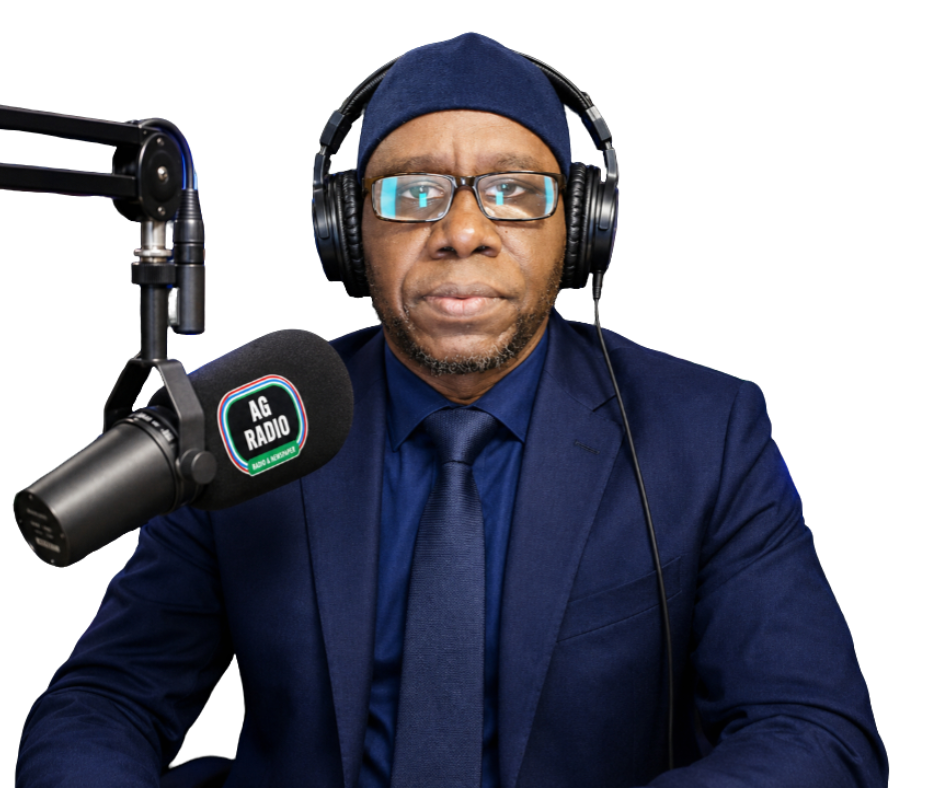
Speaking on AG Radio’s Monday edition of the People Power programme, APP-Sobeya spokesperson Ousainou Bobb said the party believed it had an obligation to explain its decision to withdraw because failure to do so could leave the public with the impression that Faal left merely because he was unlikely to emerge as coalition flagbearer.
“If we do not explain why we withdrew from Coalition-2026, most Gambians would be confused as to why we did that,” Bobb said.
According to him, APP-Sobeya held an executive meeting before committing itself to the coalition-building initiative. The central question, he said, was whether the party should contest the presidential election independently or join forces with other political organisations in an attempt to defeat the incumbent.
“What do we want as a political party? Do we want to work alone or do we want to work collectively so that the incumbent can be defeated?” Bobb recalled.
He said the party eventually adopted a resolution making opposition unity its primary objective.
Under that resolution, Bobb argued, securing the coalition flagbearership for Faal was not the party’s overriding condition for participation.
“For Essa Faal to become coalition flagbearer was secondary,” he said.
That assertion is politically important because APP-Sobeya’s withdrawal shortly before Talib Ahmed Bensouda emerged as the Coalition-2026 candidate has fuelled questions over whether Faal left because he anticipated an unfavourable outcome.
Bobb rejected that interpretation.
His argument essentially rests on the claim that APP-Sobeya had already become dissatisfied with the structure and direction of the coalition long before the final candidate-selection stage.
But the party’s explanation also raises questions of its own.
If APP-Sobeya believed opposition unity was more important than the candidacy of Faal, critics may ask whether remaining within the coalition and supporting another candidate would have better demonstrated that principle.
Conversely, if the party genuinely believed the process had become procedurally compromised, remaining solely in the name of unity could have amounted to legitimising a structure it no longer trusted.
That tension goes to the heart of the Coalition-2026 controversy.
Opposition coalitions generally require parties to surrender some degree of political autonomy and accept outcomes they may not prefer. But such compromises are only sustainable when participating organisations believe the rules governing the alliance are fair and credible.
Bobb said APP-Sobeya had been involved in the negotiations for approximately nine months after receiving an invitation from the Coalition Mediation Committee, with him serving as the party’s lead negotiator.
The length of that engagement makes APP-Sobeya’s eventual departure particularly significant. It suggests that the breakdown was not simply the product of a single disagreement over who should lead but reflected deeper tensions that accumulated throughout the negotiations.
For Gambian voters, the competing accounts now create a broader question: was Coalition-2026 primarily undermined by individual political ambitions, or did weaknesses in the coalition’s structure make eventual confrontation inevitable?
APP-Sobeya is clearly arguing the latter.