
The killing of Ayatollah Ali Khamenei in ‘Operation Epic Fury’ on 28 February was widely interpreted as a decisive blow against Iran. In reality, it may have ensured the opposite effect, a longer, messier, and more dangerous war with the United States and Israel.
Despite widespread rumors, Iran has not produced a confirmed permanent successor. Power is currently managed by an interim leadership arrangement involving senior clerics, while the Assembly of Experts retains authority to choose a new supreme leader at an uncertain date. This delay is not paralysis but political strategy. By postponing succession, Tehran buys time, suppresses internal rivalry, and unites the government around a narrative of survival and resistance. The assassination has not shattered the system but hardened it instead.
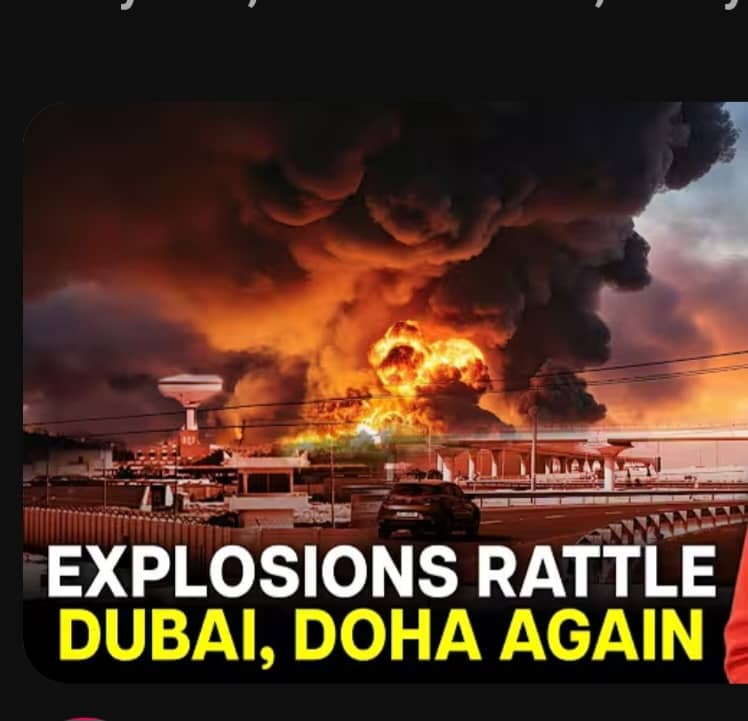
On the battlefield, the war is already spilling far beyond military targets. Middle Eastern airspace has been severely restricted, forcing up to 2,000 flight cancellations and diversions a day at peak disruption. Israel, Iraq, Qatar, the UAE, Kuwait, and Bahrain have been directly affected, with ripple effects across Jordan, Saudi Arabia, and Egypt. This is no longer a contained exchange of strikes. It is a regional disturbance with civilian and commercial consequences.
The most dangerous pressure point lies at the ‘Strait of Hormuz’, the artery through which roughly one-fifth of the world’s traded oil flows. Shipping has slowed sharply. War-risk insurance premiums have soared. Several tankers have been damaged in the wider Gulf. The strait is not officially closed, but it is operating under de facto restriction, and that is enough to shake global markets.
If this disruption persists, the economic shock will be swift and global. Energy prices will surge, driving up electricity, transport, and food costs from Asia to Europe and Africa. Inflation will rise. Interest-rate cuts will be delayed in central banks, including, of course, the Central Bank of The Gambia. Growth will slow. Shipping and insurance costs will climb, weakening supply chains, and unsettling financial markets. The timeline is brutal; that in days oil prices will surge, in weeks food and transport will be disrupted, and in months, jobs and consumer spending will totter. The longer it lasts, the closer the world drifts toward a modern replay of past oil crises.
Even religious life will not be spared. A prolonged war would make travel to Saudi Arabia increasingly unsafe, turning Umrah and possibly the Hajj into logistical and security nightmares for millions of Muslims. This conflict is already reaching beyond geopolitics into daily and spiritual life.
In Washington, the war has crossed a psychological threshold with the reported killing of three U.S. servicemen by a missile or drone strike linked to Iranian forces. These are the first confirmed American fatalities in this phase of the war. Historically, such losses harden public opinion and intensify demands for retaliation. Yet they also collide directly with President Trump’s campaign promise to avoid foreign wars. He now faces a trap of either escalating and betraying his political campaign brand or de-escalating and risk looking weak. Either choice narrows America’s strategic room for maneuver.
Meanwhile, expectations of swift regime change in Tehran are fading. The death of Khamenei has not dismantled Iran’s governing structure. It has activated its survival instincts. Revolutionary systems under external attack tend to close ranks, not collapse. Iran’s clerical and security institutions will frame this conflict as an existential struggle, making compromise politically dangerous and retreat ideologically unacceptable.
The pattern is now clear. This is not shaping up as a short, decisive war, but a contest of endurance, fought through air strikes, proxy attacks, and maritime disruption. Each new American casualty raises the risk of wider escalation. Each week of shipping disruption tightens the economic noose on the world.
Hence, history may record Khamenei’s killing not as the moment Iran fell, but as the moment the war lost any realistic chance of quick resolution. What lies ahead is not regime change, but prolonged confrontation, between Iran’s capacity to absorb pressure, America’s tolerance for casualties, and the global economy’s ability to withstand another energy shock.
And in wars of endurance, there are rarely winners, only survivors.
By Lt. Colonel Samsudeen Sarr (Rtd)
Former Commander of The Gambia National Army