
The Gambia once stood as a shining beacon in African tourism, a pioneer that attracted throngs of British and Scandinavian tourists through carriers like British Caledonian Airways and Scandinavian Airlines. With its sun-soaked beaches and vibrant culture, it became a go-to package holiday destination, contributing significantly to the nation’s GDP.
However, over the years, the sheen of The Gambia’s tourism industry has dulled. National instability—marked by events such as the 1981 rebellion, the 1994 coup, and global economic recessions—has periodically disrupted the industry, causing significant hiccups in growth and development.
To diversify its market, The Gambia expanded its reach to other European nations like Holland and Germany. It tapped into the African diaspora from the UK and the USA, notably by introducing the Roots Festival. This festival celebrated the country’s rich history and became a major magnet for diaspora tourism, fostering a connection between visitors and their ancestral roots.
Interestingly, although official statistics often overlook this group, the Gambian diaspora has become one of the most significant contributors to the tourism market. Their presence is especially noticeable during the peak tourist season and around the December holidays when they inject much-needed revenue into the economy.
Yet, despite these efforts, The Gambia’s tourism growth has stagnated, especially when compared to neighbouring countries like Senegal, Ghana, and Cape Verde. Once trailing behind, these nations have surged ahead by investing heavily in their tourism sectors, embracing innovation, and developing superior infrastructure.
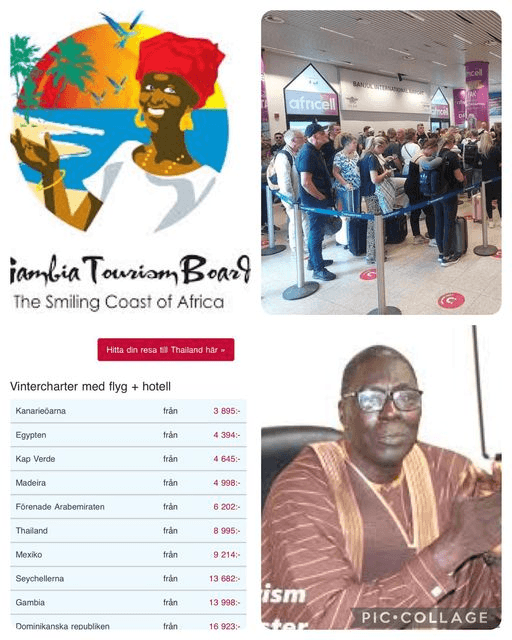
One of the most glaring issues plaguing The Gambia is the high cost of holiday packages. A week’s holiday, including flights and a 3-star hotel, can cost three times more than a similar package to Cape Verde and twice as much as other comparable destinations. This pricing makes The Gambia one of the most expensive holiday destinations, deterring potential visitors who might opt for more affordable locations offering similar or superior experiences.
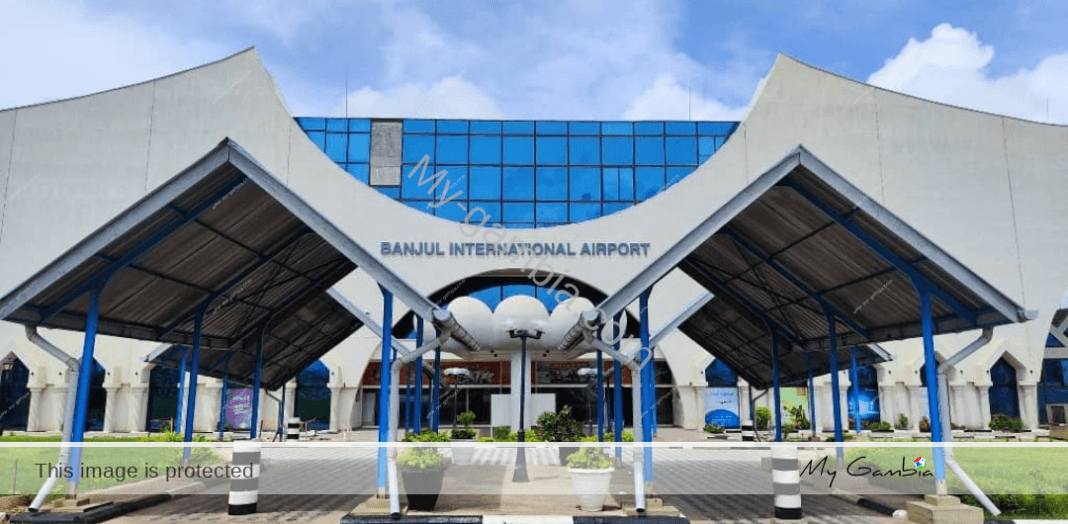
The extra security levy of £20, $20, or €20 imposed at entry and departure points adds to the financial burden. Tourists often face long queues and inefficient processing, negatively affecting their first and last impressions of the country. These experiences diminish visitor satisfaction and reduce the likelihood of repeat visits and word-of-mouth recommendations.
Critics have argued that State interference, mismanagement, incompetence, and corruption have undermined the professional cadre responsible for fostering tourism growth. Instead of innovating and enhancing the destination’s appeal, The Gambia has gradually lost its edge, failing to keep pace with competitors who prioritise tourism as a key driver of national development.
To rejuvenate the industry, The Gambia must first address the high costs that deter international tourists. This could involve negotiating better deals with airlines to reduce airfare and working with hotels to offer more competitive lodging rates.
Moreover, encouraging weekend getaways for locals can stimulate domestic tourism. By promoting short trips and experiences within the country, residents can contribute to the economy while rediscovering the beauty of their homeland.
Another strategic move is reviving the Roots Homecoming Festival. This event can attract the African diaspora by offering a meaningful connection to their heritage. By investing in this festival and similar cultural events, the Gambia can position itself as a unique destination that offers more than just beaches—a place rich in history and culture.
Improving infrastructure, streamlining airport procedures, and eliminating unnecessary levies will enhance the visitor experience. By making tourists feel welcome from the moment they arrive until they depart, The Gambia can foster positive impressions that lead to repeat visits and favourable reviews.
The Gambia has all the ingredients for a thriving tourism industry: natural beauty, rich culture, and a strategic location. By addressing the current challenges and implementing strategic solutions, it can once again become a leading destination in Africa, benefiting not only the economy but also the lives of its people.
Your support means the world to us! Please follow our page to keep up with our latest posts, and don’t forget to hit that like button and share our content with your friends. Thank you for being a part of the OPEN GAMBIA PLATFORM community! Article contributed by ANON on 09th November 2024! Views expressed by contributors are strictly personal and not of TheOpenGambiaPlatform!
You can now write for the Open Gambia Platform, share information anonymously, and join the community. Please share your stories!