The Gambian government has planned to spend D1 billion in its 2027 national budget on electricity subsidies as households and businesses are still struggling with frequent power cuts and ongoing challenges in the country’s energy sector.
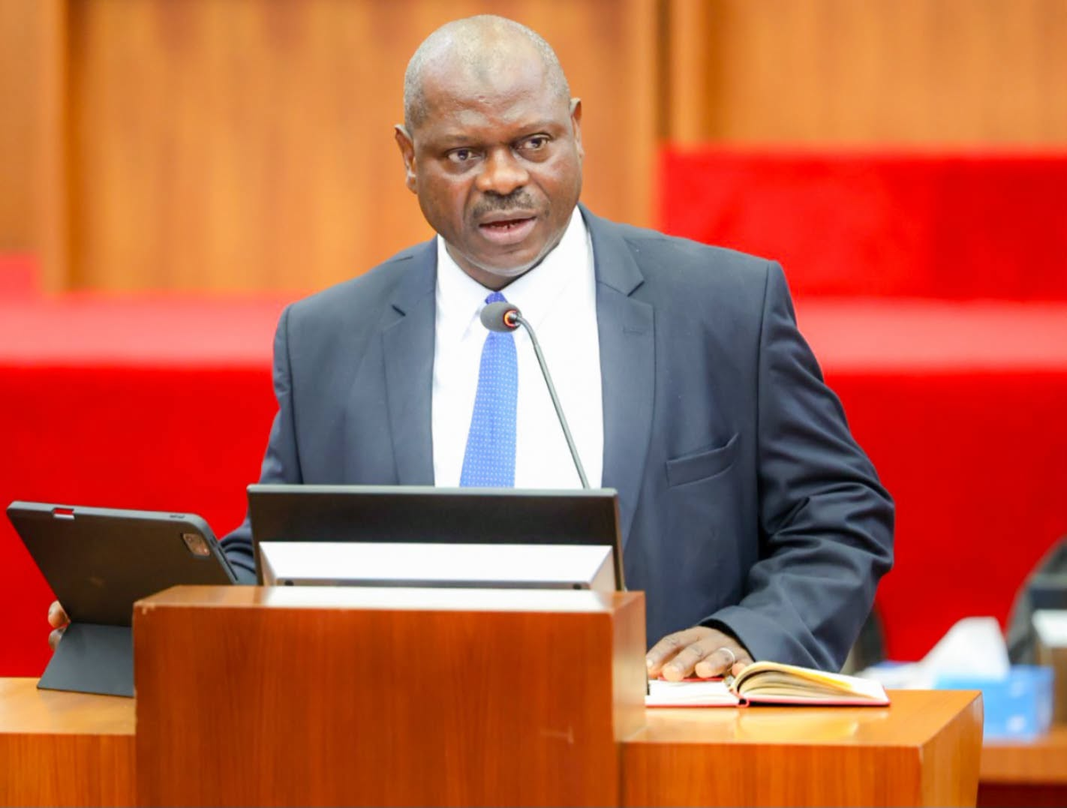
The allocation was announced by Finance and Economic Affairs Minister Seedy Keita during his presentation of the 2027 budget to the National Assembly on Friday, October 23, 2026.
Providing an account of government spending on electricity support, the minister disclosed that D2.4 billion was spent on subsidies in 2025. A further D1 billion was allocated in the 2026 budget, although only D500 million of that amount had been disbursed at the time of his presentation.
The electricity sector also received $13 million in support from the World Bank Group.
For 2027, the government is proposing another D1 billion to help offset electricity tariffs, with the stated aim of easing the financial burden on consumers while supporting efforts to stabilise power supply across the country.
The latest allocation comes against the backdrop of continued electricity shortages, which have disrupted daily activities, affected businesses and added to the difficulties faced by households already dealing with rising living costs.
Addressing the crisis, Minister Keita said President Adama Barrow was aware of the economic and social consequences of the frequent outages and remained committed to finding a lasting solution.
As part of the government’s response, the President has established a task force, chaired by the Vice President, to examine the electricity crisis and identify possible solutions.
“He has established a task force headed by the vice president to address the current electricity crisis that the country is witnessing,” the minister told lawmakers.
The government is also considering increased electricity imports from neighbouring countries, including Guinea, Senegal and Côte d’Ivoire, as part of efforts to bridge the gap between national demand and available supply.
However, the Finance Minister stressed that relying on imported electricity alone would not provide a sustainable answer to the country’s energy challenges. He said the government was also working to strengthen domestic electricity generation as part of a broader effort to improve national energy security.
“Furthermore, the Government is working hard to improve on domestic generating capacity in order to address the issue of national energy security,” he said.
Beyond the electricity crisis, the minister said the proposed 2027 budget seeks to balance national development priorities with the need to maintain fiscal discipline and keep public debt under control.
The government is targeting an overall fiscal deficit equivalent to one per cent of gross domestic product across all funds, while aiming for a deficit of 0.05 per cent under Government Local Funds.
Keita said these targets form part of the administration’s wider efforts to consolidate public finances and manage government expenditure more carefully.
He nevertheless assured lawmakers that spending on poverty reduction and other priority development programmes would be protected, arguing that fiscal restraint should not come at the expense of investments needed to improve living conditions and support economic growth.
The proposed $1 billion electricity subsidy is a sign of continuing government support for the sector but success of the spending will ultimately be judged by whether it leads to a more reliable electricity supply for Gambians.