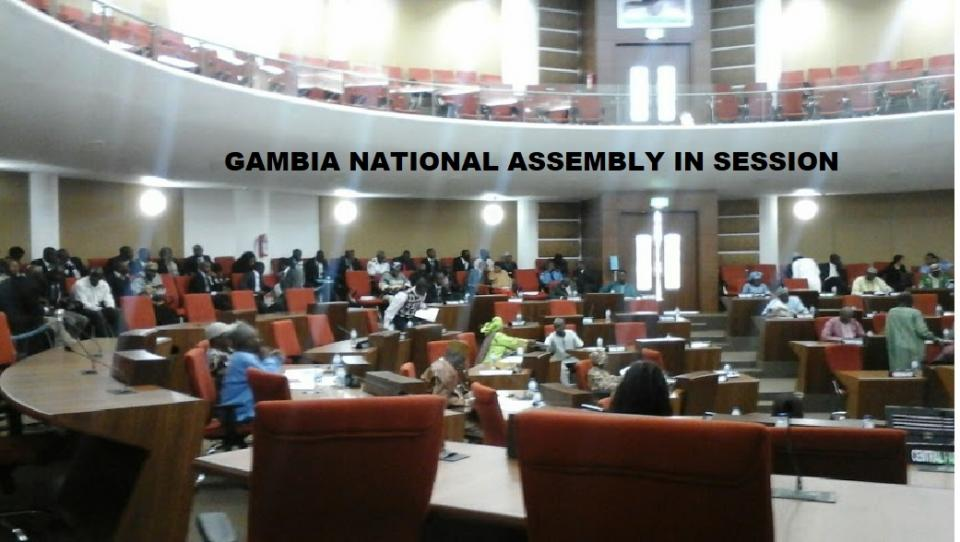
The National Assembly’s Finance and Public Accounts Committee (FPAC) has recommended a D61.9 million reduction in the Independent Electoral Commission’s (IEC) proposed 2027 budget, a move that would bring its allocation down from D669.7 million to about D607.8 million.
The proposed cut is contained in the committee’s consolidated report on the government’s 2027 Estimates of Revenue and Expenditure. According to the report, the reduction would apply entirely to the IEC’s recurrent expenditure, with its development budget left untouched.
“Following its review, the Committee proposed a reduction of the sum of D61,907,375 from the budget of the Independent Electoral Commission’s recurrent budget. However, the development budget remains unchanged,” the report stated.
The IEC had requested D669,704,458 for the 2027 financial year. If the recommendation is approved by the National Assembly, the commission would receive D607,797,083 instead.
The report, however, does not explain why FPAC is proposing the reduction or identify the specific areas of recurrent spending that would be affected. It is therefore unclear how the cut might influence the commission’s day-to-day operations and preparations for its electoral responsibilities.
The recommendation comes as The Gambia approaches the December 5, 2026 presidential election, placing the IEC’s resources and operational capacity under public scrutiny. The proposed 2027 allocation would cover the following financial year, but the size of the reduction raises questions about the committee’s assessment of the commission’s funding needs.
FPAC also made separate recommendations concerning the Public Service Commission’s budget. It proposed reallocating D800,000 within the commission’s recurrent expenditure towards vehicle purchases.
In addition, the committee recommended a further D6.2 million for the purchase of two vehicles for the Public Service Commission’s vice chairperson, intended to support the commission’s operations.
All the proposals form part of FPAC’s review of government spending plans for 2027. They remain recommendations and will require consideration and approval by the National Assembly.