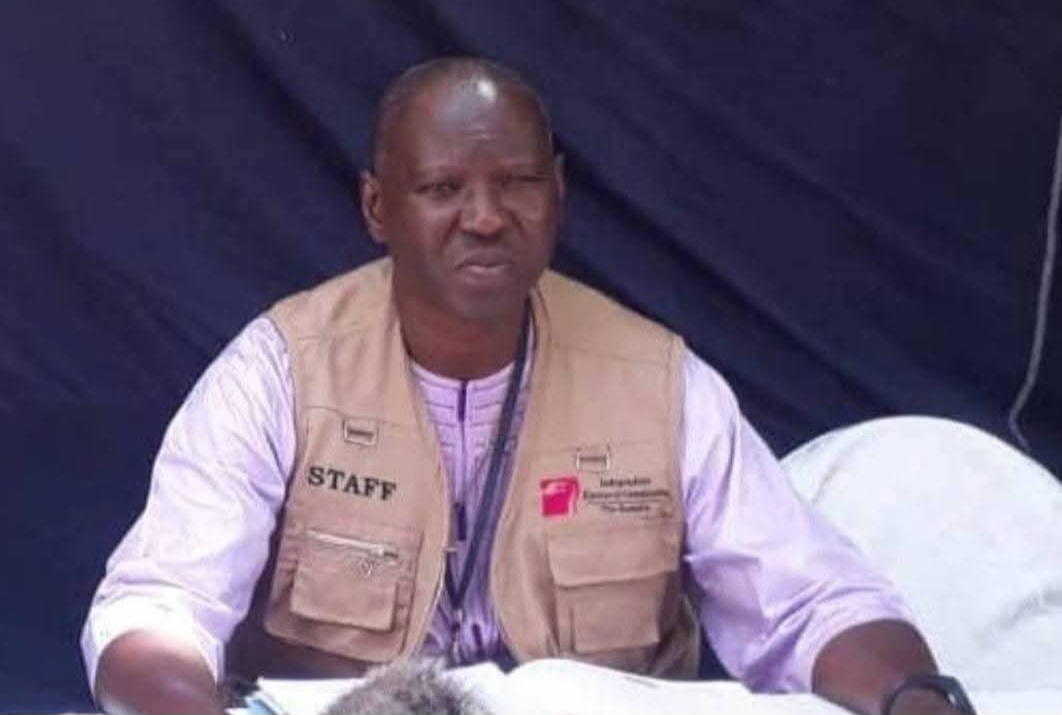
The supplementary voter registration exercise in The Gambia officially launched by the Independent Electoral Commission was meant to strengthen democratic participation ahead of the 2026 elections. Instead, it has become a lightning rod for criticism, suspicion, and deepening public mistrust.
This registration drive is a part of The Gambias election cycle. It began on 1 April 2026. Will continue until 14 May 2026 as stated in the electoral calendar. However from the beginning people have been questioning the credibility of the process.
The Independent Electoral Commission, led by Joseph Colley says it will follow standards. He has assured everyone that the Commission wants to hold elections that are free fair transparent, inclusive and credible. Despite these assurances many people still have doubts.
The government says it has talked to partners, political parties and civil society groups before starting the registration drive.. Critics argue that these consultations are just a formality and do not really hold anyone accountable.
What is more concerning are the allegations that undermine the integrity of the process. Askani Gambia has been informed this morning by a source that some underage children have been issued with attestations for voter registrations, which is against the law. If this is true it would be an attack on the legitimacy of the voter roll. The fact that there is no open investigation into these allegations only adds to the suspicion.
Civil society organizations and opposition leaders have been warning about issues with the registration procedure for a time. They think there are issues with the system, not just a few isolated incidents. Many people do not trust the bodies because they think they are still influenced by politics. Even when the exercises are legitimate people are suspicious when there is no oversight.
The way the registration process is structured also raises flags. The use of verification techniques and local attestations can lead to inconsistencies and possible abuse. Allegations of irregularities, such as registrations or duplicate entries are harder to dispute when there are no strong safeguards in place.
The governments response to these allegations is also worrying. Of addressing the concerns openly and quickly the official communication has been mostly defensive. This approach may strengthen the impression that the authoritiesre more concerned with controlling the narrative than with addressing possible misconduct.
The additional voter registration drive should have been an opportunity to rebuild confidence in The Gambias institutions. Instead it is quickly becoming a symbol of uncertainty and unresolved structural flaws.
In the end public trust in the process is just as important as the process itself. Now that trust seems to be fading and if decisive action is not taken the harm could go beyond this registration process and affect the entire democratic system in The Gambia. The voter registration drive in The Gambia and the democratic process in The Gambia need to be transparent and credible to regain the trust of the people, in The Gambia.