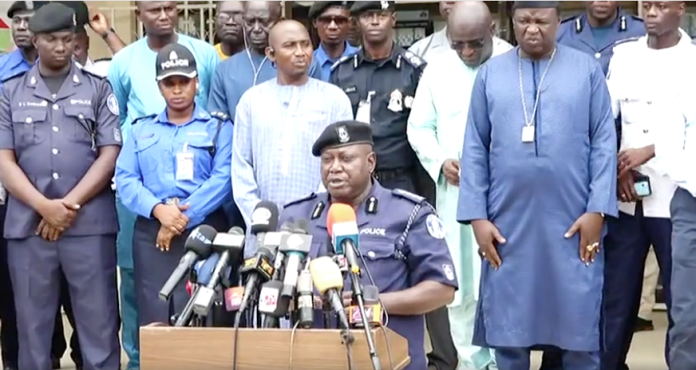
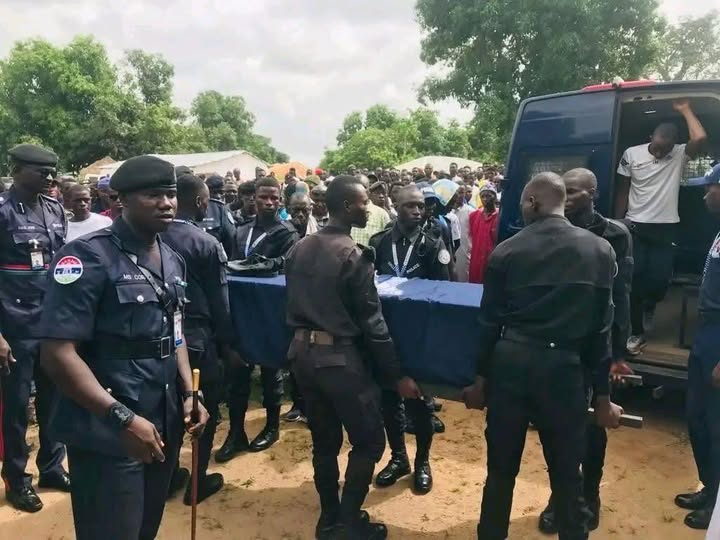
The acquittal of Ousainou Bojang in the killing of two Police Intervention Unit (PIU) officers has triggered a surge of public outrage across The Gambia, with many now openly questioning whether the truth has been deliberately obscured. What began as a shocking killing of security personnel has spiraled into a national controversy, fueled by suspicions that elements within the state may have played a role—not only in the events themselves, but in the apparent failure to deliver justice.
From the beginning, the case raised red flags. Authorities moved quickly to present Bojang as the primary suspect, assuring the public that justice would be swift and decisive. But as the trial progressed, the prosecution’s case appeared increasingly fragile. Key evidence was either inconsistent, poorly handled, or lacking credibility altogether. The court’s decision to clear Bojang has now validated what many observers feared all along: that the investigation was fundamentally flawed.
For many Gambians, however, the acquittal is not a moment of relief—it is a moment of deepening suspicion. If Bojang did not commit the crime, why was he so confidently accused? And more troubling still, why has there been no clear indication that authorities are pursuing alternative suspects? The absence of answers has created fertile ground for a more unsettling theory: that the truth is being intentionally buried.
Public discourse has increasingly turned toward the possibility of state involvement. While no definitive evidence has emerged to support such claims, the lack of transparency from officials has done little to dispel them. Instead, it has reinforced a growing perception that those in power may be more interested in controlling the narrative than uncovering the facts. In a country still grappling with the legacy of opaque governance, such perceptions carry significant weight.
Critics argue that the handling of the case reflects deeper systemic issues within the security and justice sectors. Allegations of rushed investigations, political interference, and institutional incompetence are now being openly discussed. Civil society groups have called for an independent inquiry, insisting that only a process removed from state influence can restore public confidence.
The government’s silence in the wake of the verdict has only intensified the backlash. Rather than offering a clear plan for next steps, officials have largely avoided addressing the growing concerns. This vacuum has allowed speculation to flourish, with many citizens interpreting the lack of communication as a sign of complicity or, at best, indifference.
For the families of the slain PIU officers, the situation is particularly devastating. They have not only lost loved ones but now face the grim reality that those responsible may never be held accountable. Their calls for justice have become emblematic of a broader national demand: accountability, transparency, and truth.
Ultimately, this case has become more than a criminal matter—it is a test of the state’s credibility. When the killing of its own officers cannot be convincingly resolved, it raises profound questions about governance and the rule of law. Until authorities provide clear, credible answers about who killed the PIU officers—and why—the cloud of suspicion hanging over the state will only continue to grow.