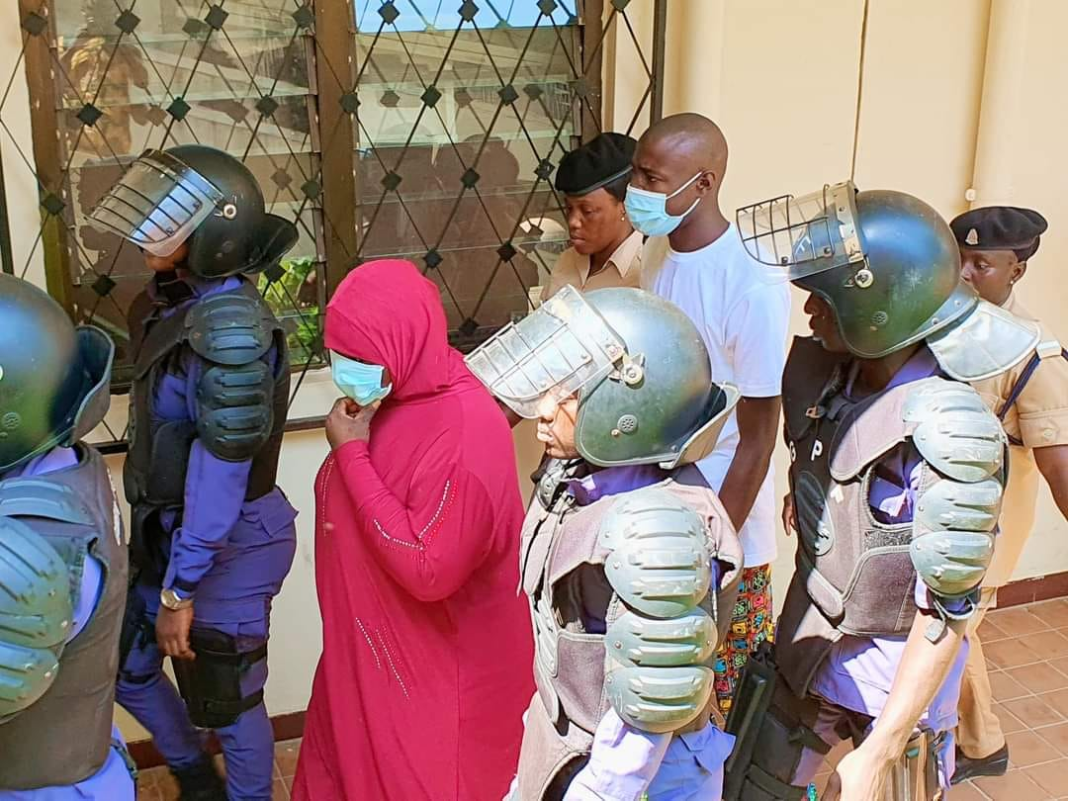
The High Court in Banjul has acquitted Ousainou Bojang of all charges in the high‑profile Sukuta–Jabang traffic lights shooting case, ending a nearly three‑year legal saga that gripped the nation. The ruling, delivered on Monday by Justice Ebrima Jaiteh, found that the prosecution failed to prove the accused’s guilt beyond reasonable doubt, resulting in Bojang’s immediate discharge.
Bojang and his co‑accused — his sister, Amie Bojang — had faced multiple charges, including murder, attempted murder, acts of terrorism and accessory after the fact, related to the September 2023 shooting that left two police officers dead and a third injured. Over the course of the trial, the prosecution called 13 witnesses, including surviving officers and civilian witnesses, while the defence offered 12 witnesses including senior government officials who had provided official statements in the aftermath of the incident.
In his ruling, Justice Jaiteh noted that significant gaps in the State’s case, including a lack of forensic evidence linking Bojang to the scene, undermined the prosecution’s claims. “The burden of proof rests squarely with the State, and that burden has not been met,” the judge stated, prompting applause from supporters in the courtroom.
Public and legal reactions were swift. Civil liberties advocates welcomed the verdict as a reaffirmation of due process, emphasising that convictions must be grounded in solid evidence rather than public pressure. “This outcome underscores the importance of a fair trial and the high standard required for criminal conviction,” said a legal analyst following the ruling.
However, some community members expressed frustration, arguing that the decision may deepen mistrust in the justice system, particularly among families of victims seeking closure. “We wanted justice for those officers,” one resident said, speaking outside the court.
As national conversation continues, the case has highlighted both challenges and strengths within the justice system, prompting renewed calls for investment in forensic capacity and transparency.
Written by Salieu Njie