
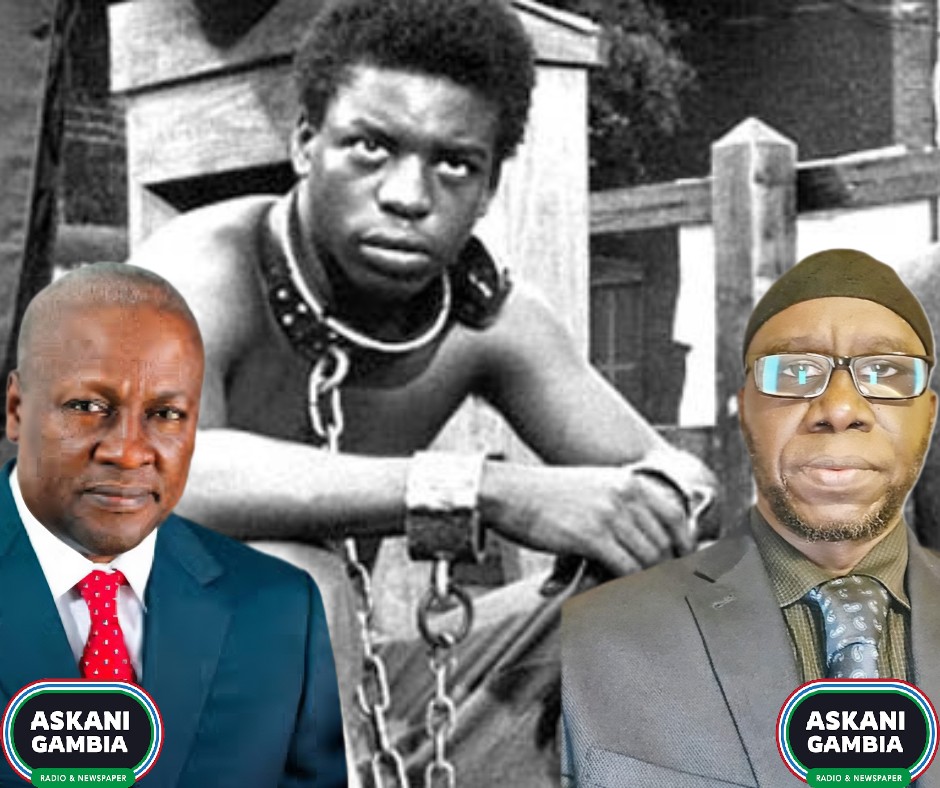
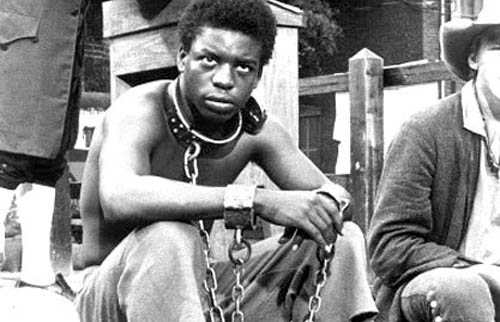
In a landmark decision, the United Nations has officially recognized slavery as the gravest crime against humanity, a motion brought forward with moral courage by Ghana. This historic vote marks not only a moment of international reflection but also a long-overdue acknowledgment of a historical atrocity whose repercussions are still felt worldwide.
For centuries, the transatlantic slave trade inflicted unparalleled suffering on millions of Africans. Families were torn apart, cultures erased, and entire communities destabilized. The legacy of slavery is not confined to history books; it reverberates through systemic economic disparities, racial discrimination, and social injustice that persist to this day. By formally designating slavery as the gravest crime against humanity, the United Nations has elevated this truth from historical recognition to moral imperative.
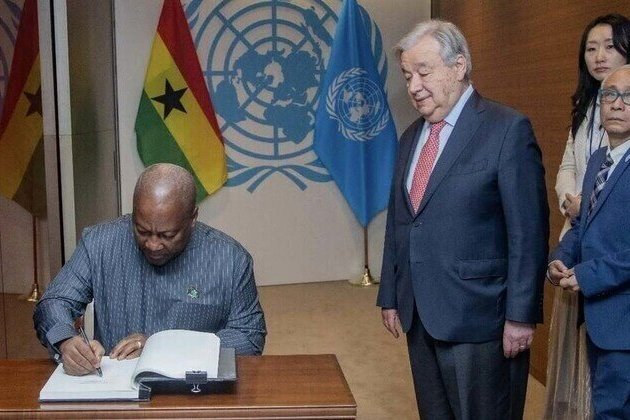
Ghana’s leadership in bringing this motion forward underscores the country’s commitment to moral clarity and historical justice. As the first sub-Saharan African country to gain independence in the modern era, Ghana has long been a vocal advocate for human rights and continental recognition of Africa’s historical sufferings. By championing this vote, Ghana has not only honored the memory of enslaved Africans but also strengthened the moral authority of the United Nations in addressing the sins of the past.
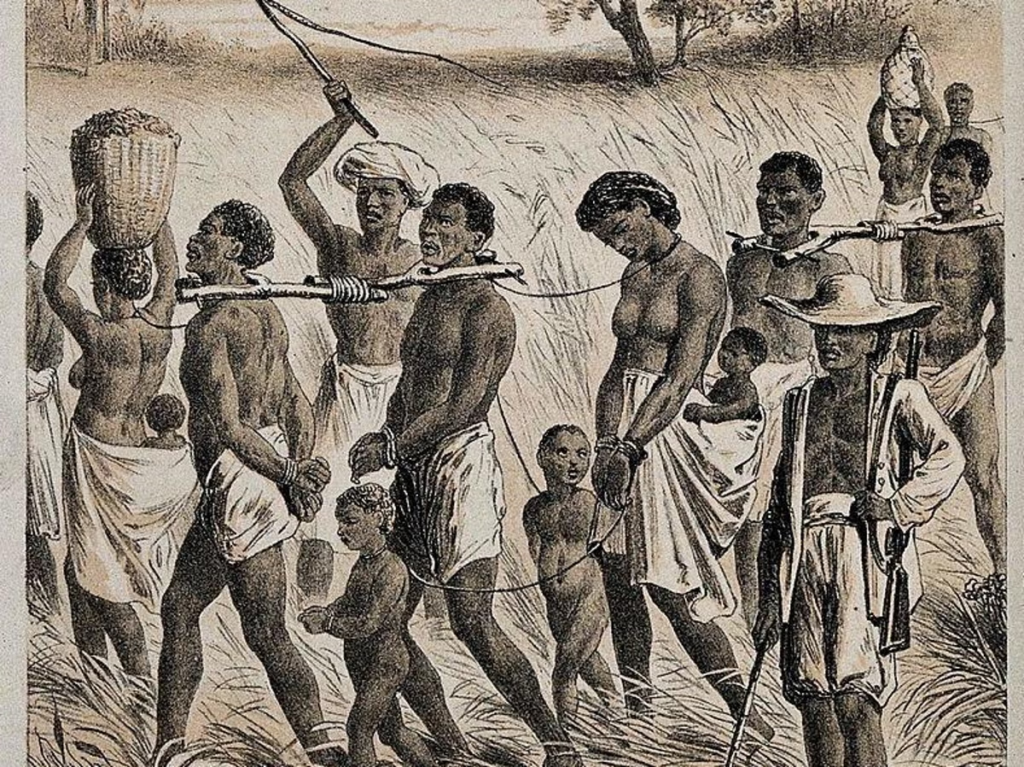
The vote itself revealed both unity and division in the international community. Countries that supported the resolution—including Ghana, South Africa, Nigeria, and a coalition of European and Latin American nations—affirmed that slavery was not merely a historical injustice but a crime with lasting global consequences. Their vote was a statement that recognition matters, that validation of historical truth is necessary for reconciliation, and that moral accountability cannot be deferred indefinitely.
Yet the vote also highlighted lingering resistance. A small group of nations opposed the resolution or abstained, reflecting political sensitivities, economic interests, or reluctance to confront historical complicity. Among those who voted against were nations with direct historical ties to the transatlantic slave trade, raising uncomfortable questions about how history is acknowledged and who bears responsibility for reparative action. While some governments framed their opposition as technical or procedural, the moral message is clear: there are still corners of the world hesitant to confront the legacies of slavery openly.
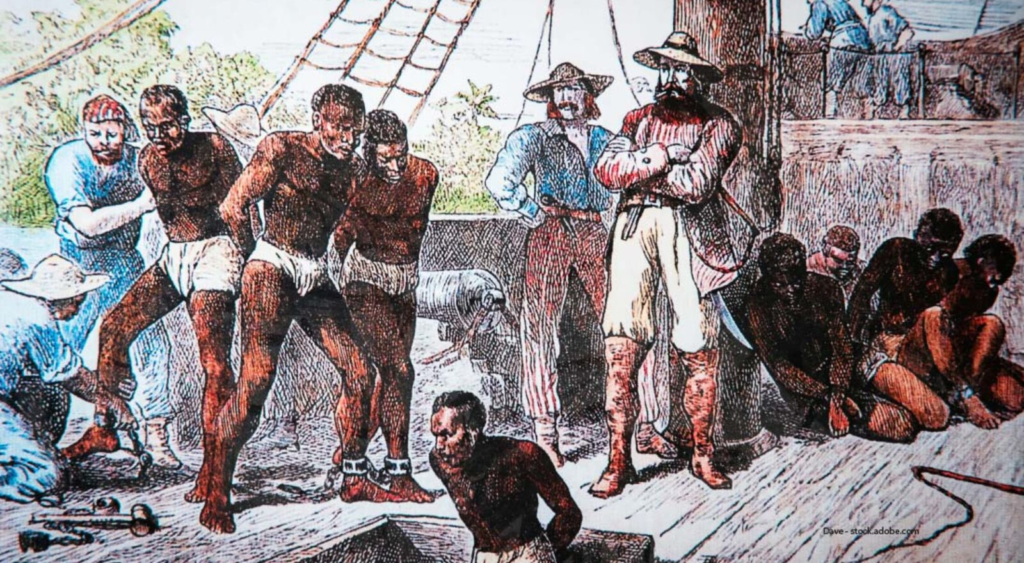
Critics of the UN declaration may argue that such resolutions are largely symbolic and have little impact on modern policy. Yet symbols matter immensely in shaping collective memory, influencing international law, and validating the experiences of communities historically subjected to oppression. Recognition is the foundation for action. It is the first step toward reparations, educational reform, and structural change. Without this acknowledgment, the wounds of history remain unaddressed and invisible to those who benefit from their perpetuation.
The resolution is also timely because slavery did not end with history. Modern slavery—human trafficking, forced labor, and exploitation—remains a global crisis, affecting tens of millions today. By declaring slavery the gravest crime against humanity, the United Nations reinforces the urgency of combating these contemporary abuses and provides a framework for international cooperation against them. It is a moral stance that demands practical follow-through.
However, recognition alone will not suffice. Member states must now implement policies that address the legacy of slavery in tangible ways. Education systems must incorporate accurate accounts of slavery’s historical and modern dimensions. Economic programs must target structural inequalities rooted in historical injustices. International legal frameworks must be strengthened to prevent trafficking, forced labor, and other forms of exploitation. A symbolic vote is meaningless without action that translates recognition into measurable change.
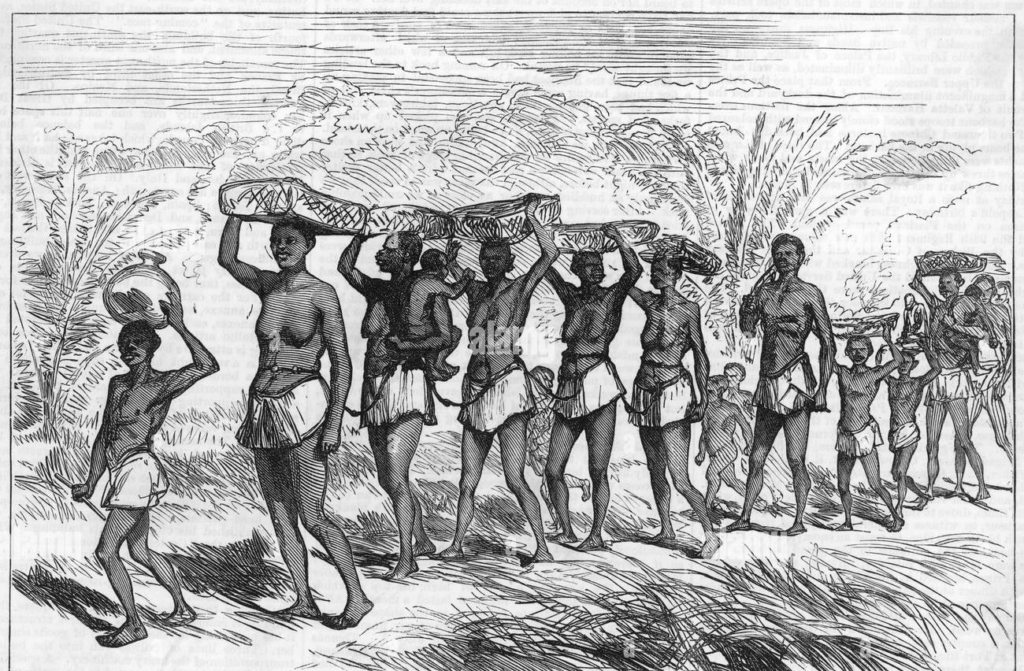
Finally, this vote opens a path for dialogue about reparations. Nations that profited from slavery must confront their histories with honesty, humility, and a willingness to act. Acknowledgment of wrongdoing is the first step, but substantive reparative measures—financial, social, and institutional—are necessary to bridge centuries of harm and inequity. Ghana’s initiative in the UN should inspire a global reckoning, challenging countries to move beyond rhetoric and toward responsibility.
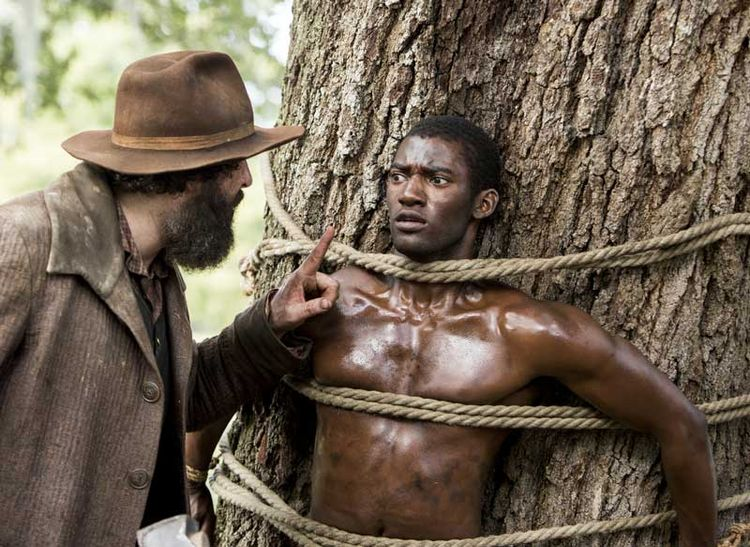
The UN vote on slavery, championed by Ghana, is a milestone of historical and moral significance. It demonstrates the capacity of the international community to confront its past, to recognize injustice, and to set a precedent for future accountability. Yet this is just the beginning. Recognition must lead to education, reform, and reparation. Only then can we truly honor the memory of those who suffered and ensure that humanity’s gravest crime is never repeated.
Written by Salieu Njie