
As The Gambia reports strong economic growth and works toward fiscal reforms and climate resilience measures, the International Monetary Fund approved a transfer of roughly $38.15 million to the country.
The decision comes after the completion of the first assessment under the IMF’s Resilience and Sustainability Facility and the fourth review under its Extended Credit Facility. The credit facility, which was authorized in January 2024, accounts for around $17 million of the total, bringing the total amount disbursed under that program to approximately $68 million. The remaining $21.24 million comes from the sustainability facility, which was authorized in June 2025 and aims to improve the nation’s resilience to shocks brought on by climate change.
The economy has performed well. In 2025, the real gross domestic product is expected to increase by 6%, primarily due to tourism, construction, and agriculture. Due to tighter monetary policy and a slowdown in global pricing pressures, inflation has continued to decline, reaching roughly 7% by October.
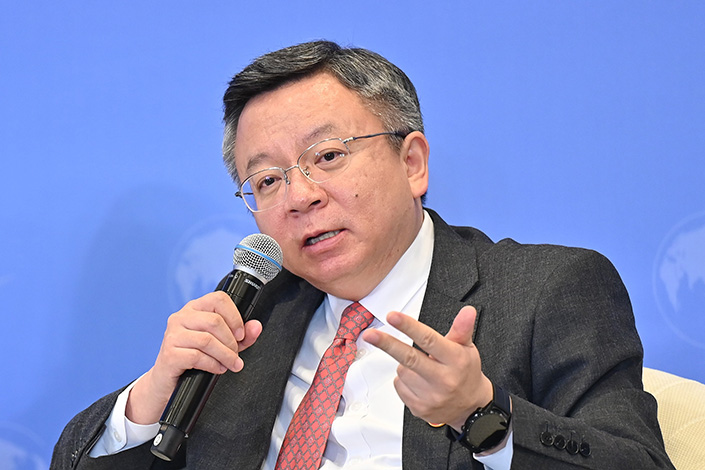
Bo Li, the IMF’s deputy managing director, said the outlook underscored the importance of strong tax collection, restrained public spending, and continued fiscal consolidation to safeguard debt sustainability, even as the government expands social and infrastructure investment. He praised what he described as “robust growth and declining inflation,” citing satisfactory implementation of the credit facility and progress on reforms supported by the sustainability program.
Efforts to increase domestic revenue through administrative measures and the proposed implementation of a carbon-based gasoline excise fee in 2026 are two of the government’s top policy priorities. Mr. Li stated that even if the anticipated funding from Africa50, an infrastructure investment platform, has been delayed, the authorities are still dedicated to achieving their fiscal goals for 2025.
Given The Gambia’s extreme vulnerability to natural disasters and climate shocks, the sustainability facility is anticipated to assist reforms that will improve climate policy frameworks and mobilize green finance.
The IMF warned that there are still negative risks, especially from foreign shocks that might have an adverse effect on growth and public finances, even if it described the economic outlook as generally optimistic.