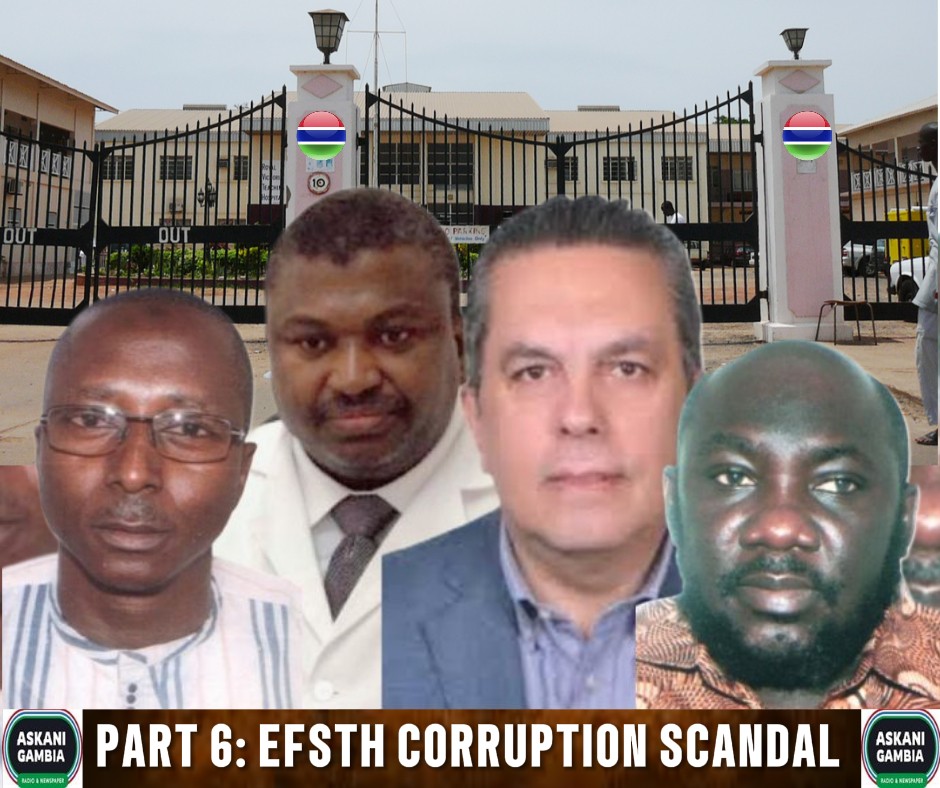
The corruption in the Barrow Administration is so endemic that they had to import a corrupt CMD to run the country’s major referral hospital! Still, the state will not act on the audit reports
When Official Cars Became Personal Chauffeurs
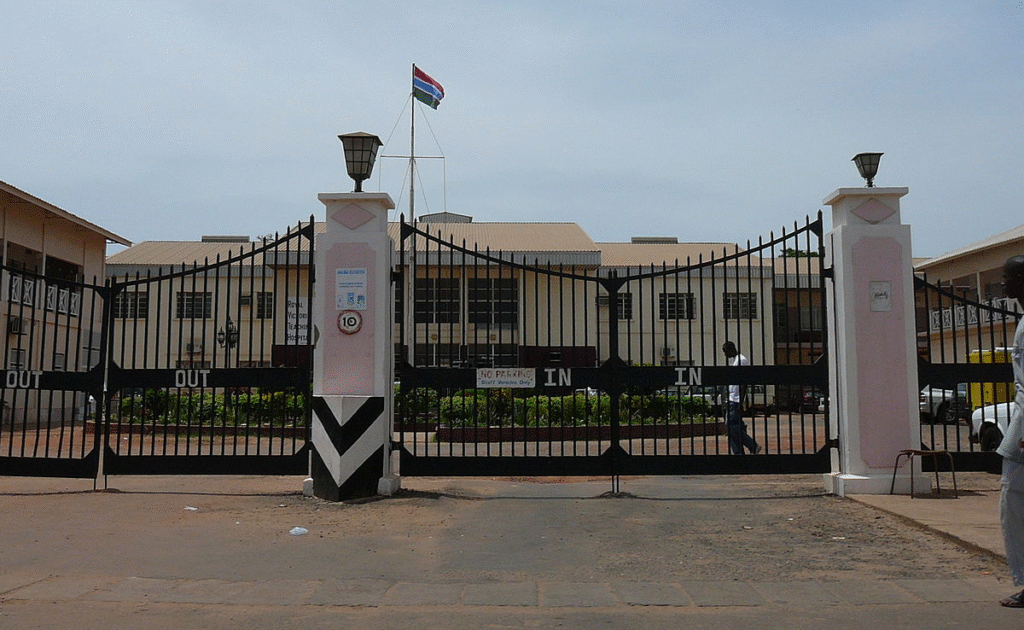
The Chief Medical Director (CMD) of The Gambia’s national teaching hospital is more than an administrator; he is the steward of hope.
The job carries enormous trust: to manage the country’s largest referral hospital, oversee hundreds of staff, and ensure that every public resource serves the sick, not the powerful.
But the National Audit Office’s (NAO) April 2024 report tells a painful truth.
Under Finding 3.8 “Suspected Fraudulent Use of EFSTH Resources for Personal Purpose by the CMD,” the very office that should have embodied stewardship became the centre of self-benefit.
What the Auditors Found
Between January 2022 and December 2023, auditors discovered that the then CMD, Dr M.H.D. Ammar Al Jafari used hospital funds for personal purposes, including rent, fuel, and vehicle-related expenses, without board authorisation.
“The CMD utilised hospital resources for personal benefit, including rent payments and vehicle expenses, without documentary approval or refund.”
EFSTH Audit Report 2024, Finding 3.8 (p. 20)
A detailed breakdown attached to the audit report showed D648,000 in rent and allowances paid directly to or on behalf of the CMD, despite his official residence being government-provided.
Auditors also flagged repeated fuel withdrawals and vehicle maintenance costs unrelated to official hospital duties, amounting to additional tens of thousands of dalasis.
How It Happened
The payments were authorised through internal memos co-signed by the Finance Director, Mr Lamin Ceesay, under the budget line “Administrative Expenses.”
However, auditors found:
• No evidence of Board approval for rent reimbursement.
• No signed tenancy agreement to justify the payments.
• No mileage logs or transport schedule for the vehicles fuelled under the CMD’s account.
In one case, a payment voucher labelled as “CMD Rent Reimbursement” was processed directly to the landlord, without receipt of occupancy or approval from the Ministry of Health.
“The CMD’s occupation of private property at EFSTH expense was irregular and lacked legal authority.” Finding 3.8
The Broader Context
At the time of the audit, EFSTH was facing shortages of basic supplies, bedsheets, surgical gloves, and fuel for ambulances.
Yet rent and fuel allocations for the CMD’s private use were paid promptly and in full.
While patients shared beds and staff bought their own gloves, hospital funds were used to maintain the official’s private comfort.
Management’s Response
In response to the auditors, the then CMD, Dr Al Jafari, defended the payments as “part of his contractual entitlements.”
However, auditors countered that no such entitlement exists in EFSTH’s governing regulations or employment contracts, and that all payments should have been processed through the Board and Ministry of Health.
The management response added that Dr Al Jafari was no longer serving as CMD by the time of the audit review, and that “the hospital has initiated internal review of benefits and privileges to ensure compliance.”
The Legal Position
• Public Finance Act 2014 §43 — prohibits use of public resources for personal purposes.
• Code of Conduct for Public Servants (Schedule to the 1997 Constitution) — forbids conflict of interest and misuse of state property.
• EFSTH Service Rules §0904 — restricts staff housing and transport benefits to approved conditions and limits.
Each was ignored or bypassed.
The People’s Questions for FPAC & the Ministry of Health
- Who approved D648,000 in rent payments for the CMD without Board consent?
- Why did the Finance Director authorise those transactions without proper authority?
- Were the official vehicles used for hospital operations or personal errands?
- Will the recovery and disciplinary recommendations from the audit be enforced?
- Has the Ministry of Health established a transparent benefit structure for future CMDs to prevent abuse?
The People’s Verdict
A hospital cannot heal when its leaders live off the medicine.
Public resources meant to serve patients were turned into private privileges.
This is not just financial misconduct; it is moral bankruptcy.
Until every dalasi misused is recovered and every regulation enforced, EFSTH will remain a symbol of how privilege triumphed over purpose.
By Jallow Modou, Washington D.C.
Financial Analyst | Making the Audit Speak for the People