
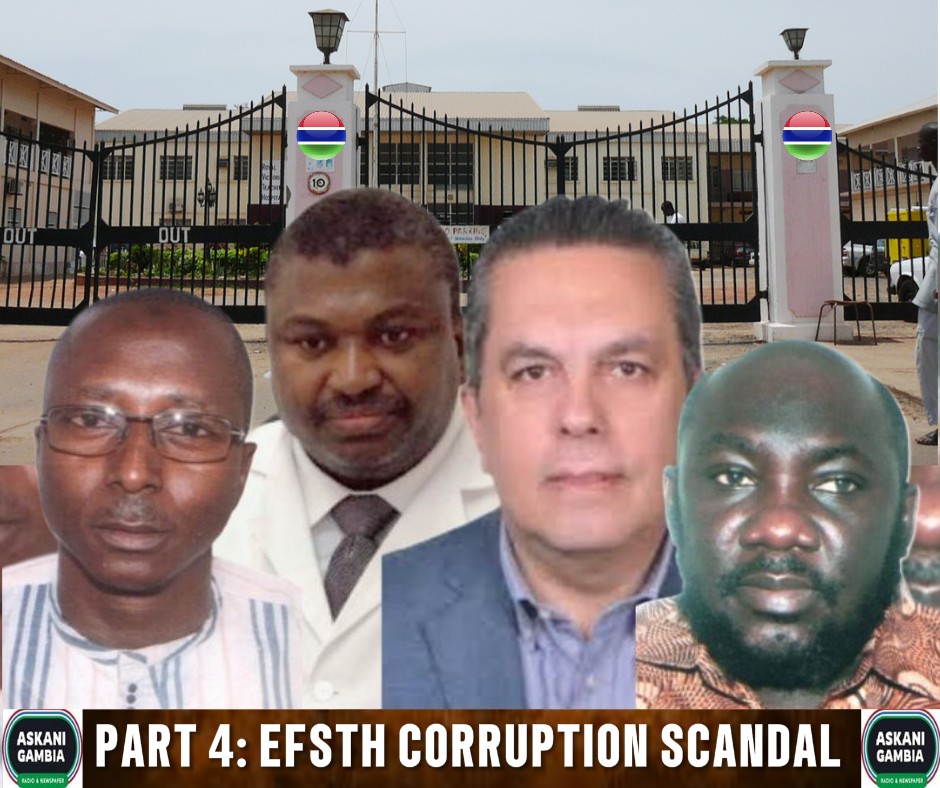
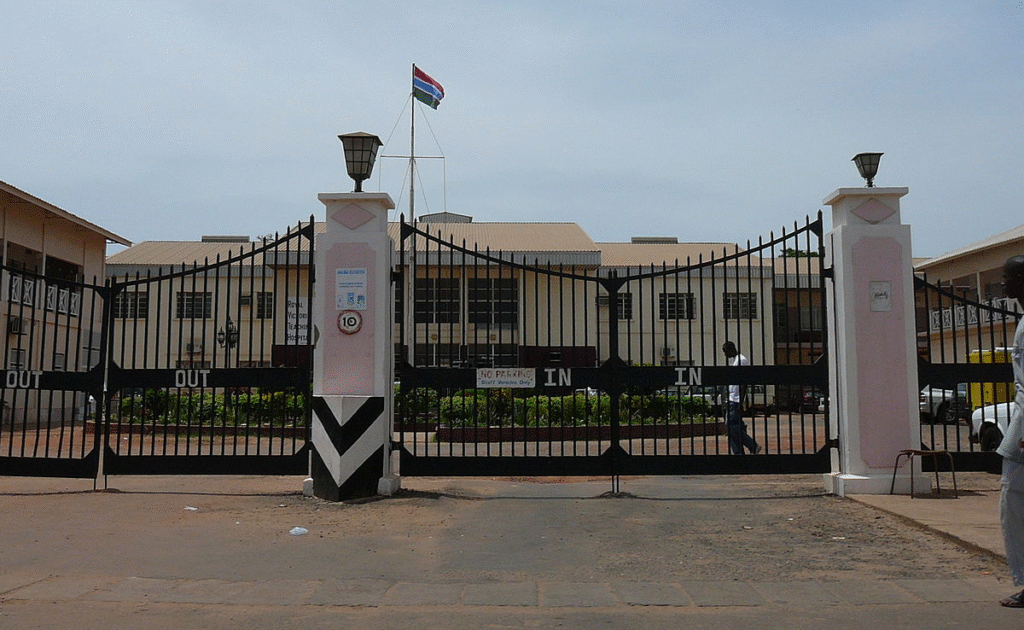
How a Flawed Recruitment Process Weakened the Financial Nerve of The Gambia’s Main Hospital
In every public institution, the Director of Finance holds a sacred duty to guard the people’s money with integrity and independence.
At Edward Francis Small Teaching Hospital (EFSTH), the country’s only teaching hospital and the final hope for thousands of Gambians, the April 2024 National Audit Office (NAO) report shows that this duty was compromised long before the first dalasi went missing.
A Hospital With a National Mandate
EFSTH is not just another health facility; it is where every medical student dreams of serving and where the sickest patients are referred when local clinics can no longer help.
From its wards flow future doctors, nurses, and specialists.
According to its accounts, public trust should also be expected to flow, but the audit findings reveal that the trust was misplaced.
What the Auditors Found
The Finance Director’s appointment was flagged as irregular and contrary to procedure.
According to Finding 3.4 (p. 15) of the EFSTH Management Letter (April 2024):
“The recruitment of Mr Lamin Ceesay as Director of Finance was irregular and contrary to the Public Service Rules and EFSTH recruitment policy.”
The report explains that the selection process did not follow the hospital’s established recruitment procedures and that the appointment was made without Board approval or ministerial clearance.
This administrative lapse, according to the auditors, “compromised the integrity of financial management within the institution.”
Management’s Response
In his written response to auditors, Mr Lamin Ceesay, who served as Finance Director during the audit period, stated that his appointment was processed through higher authorities and that he had “no control over the selection process.”
The management further noted that the Chief Medical Director (CMD) at the time, Dr M.H.D. Ammar Al Jafari had since been replaced, and the current leadership was reviewing internal recruitment practices.
Why It Mattered
The Finance Director position serves as the signatory point for all hospital payments, ranging from staff allowances to supplier contracts.
Once an irregularly appointed official occupies that post, the institution’s financial safeguards become exposed.
Indeed, the same signature later appeared on vouchers related to:
• D1.8 million in Call Allowances paid to non-medical staff (Finding 3.1)
• D830,000 in Non-Private-Practice Allowances to ineligible staff (Finding 3.2)
• and unretired imprests amounting to hundreds of thousands of dalasis (Findings 3.11–3.13).
The Auditor General concluded that weak recruitment controls at the top created conditions for systematic misuse of funds.
The Laws and Policies Breached
• Public Service Act 2011 (Section 14) — requires open, competitive recruitment for senior posts.
• Public Finance Act 2014 (Section 46) — mandates that accounting officers ensure proper control over public funds.
• EFSTH Recruitment Policy — requires both Board and Ministry of Health endorsement for director-level positions.
Each of these frameworks was disregarded.
The Bigger Picture
The issue was not about personalities; it was about a system that allowed one of the most sensitive positions in the country’s premier hospital to be filled outside lawful procedure.
The result: millions in public funds were disbursed without adequate documentation, as seen across other findings in the same report.
The NAO warned:
“Irregular appointments at the leadership level expose the institution to continued financial risk and governance failure.”
The People’s Questions for FPAC & the Ministry of Health
- Who approved the Finance Director’s appointment outside the official process?
- Why did the hospital board fail to enforce the recruitment policy?
- Has the Ministry of Health reviewed the legality of this appointment as recommended by the NAO?
- What reforms are being implemented to prevent similar breaches in other Hospitals?
- The People’s Verdict
When recruitment rules are ignored, accountability collapses from the top down.
The Finance Director’s irregular appointment was not just a procedural misstep; it was a gateway to mismanagement.
Until the system that allowed it is fixed, every dalasi spent at EFSTH will remain a question mark over public trust.
By Jallow Modou, Washington D.C.
Financial Analyst | Making the Audit Speak for the People