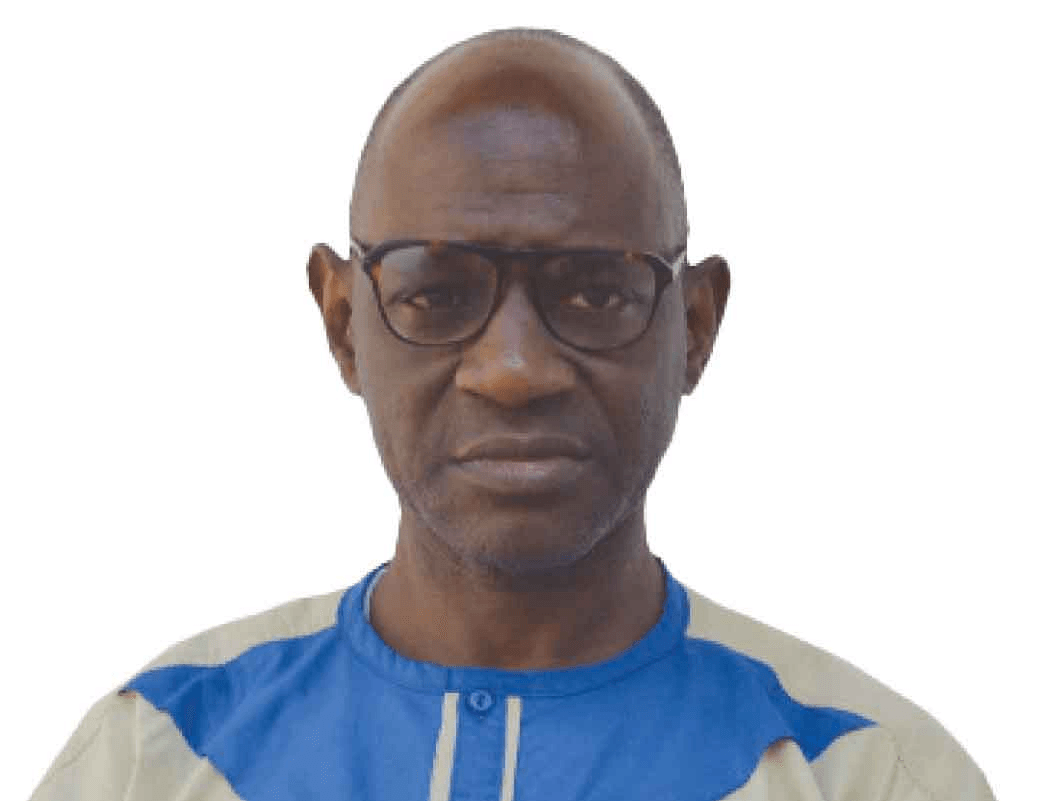
Hassoum Ceesay shares insights into the history of Pierre Sarr Njie in an exclusive interview with AG Radio. Mr. Ceesay applauds Pierre Sarr Njie as one of the most significant political figures of his time. Through him, we have Radio Gambia, the road from Banjul to Soma was improved, and Basse received electricity for the first time. Pierre Sarr Njie was the pioneer in introducing sixth form in our higher education system in the Gambia.
Pierre Sarr NJie was born on July 17, 1909, and he passed away on December 11, 1993. His father was Dawur Kodou Biggay Njie, and his mother was Jainaba Njie. One of his uncles was the renowned Senegalese lawyer and politician, Wal Jojo Njie, who was very influential during the time of President Senghore, Lamin Gaye, and Jamma Modou. Similar to his uncle, Pierre Sarr Njie was a lawyer and a politician, serving as the first Chief Minister of the Gambia from 1961 to 1962. He served as the country’s first head of government after the announcement of self-rule in 1961. He served as the leader of the United Party (UP) from 1952 to 1977. He served as a member of the House of Representatives from 1960 to 1972 and acted as the de facto Leader of the Opposition for a time.
Throughout his tenure as Chief Minister, Pierre Sarr Njie engaged in initial discussions with the Senegalese government regarding the long-term future of The Gambia, as stated by Hassousm Ceesay. Pierre Sarr Njie served as Chief Minister until the 1962 election, aided by the colonial administrators at the time, PPP emerged victorious in a contentious election characterised by significant voter fraud, Pierre Sarr Njie secured 53% of the votes, whereas Sir Dawda Jawara received 13.5%. However, the colonial administrators favoured Sir Dawda over Pierre Sarr Njie. Although Pierre Sarr Njie successfully held onto his New Town East seat. He assumed the role of Leader of the Opposition, while Sir Dawda Jawara took on the position of the first Prime Minister of the Gambia, added Mr. Ceesay.
Hassoum Ceesay stated that the United Party contested the election results in court, claiming that the voter register was invalid. In April 1963, the West African Court of Appeal upheld the claim; however, Mam Pierre devoted a significant portion of his time until Gambian independence to urging the British government to organise a new election. During his absence, the United Party experienced a decline, as several of its members transitioned to the PPP. If the 1962 elections had not been manipulated by the colonial administrators and their enablers, Pierre Sarr Njie could have been the first president of The Gambia.